The Member of the Wedding · Companion Guide
婚礼的成员
十二岁的夏天,她想加入哥哥的婚礼——却发现那个『我们』,其实一直在她自己身体里。
Opening
A screen door swings open. Twelve-year-old Frankie Addams stands in the doorway of her aunt's kitchen, a scorching Georgia afternoon behind her. A summer camp has just turned her down, she can't stand her own name, and every girl her age has closed ranks against her. She is suspended in midair, not a little girl anymore, not yet a young woman, with no ground under her feet.
Her brother is coming home from the army to get married. Something in Frankie catches fire: she decides she too will become a member of the wedding, that she'll join the bride and groom and turn, from that day on, into part of something whole. That single conviction carries the whole sweltering summer, and it carries Carson McCullers's novella too, a slim book that gets heavier the further you read.
What Kind of Book This Is
The Member of the Wedding was first published in the United States in 1946. Carson McCullers was twenty-three when she wrote it, already the author who had made her name, and the book now sits alongside The Heart Is a Lonely Hunter and Reflections in a Golden Eye on any starter list of Southern Gothic fiction. McCullers herself later adapted it into a Broadway play under the same title, and expanded it again into a book for young readers; the 1952 film version cast the veteran Black actress Ethel Waters as Berenice, the cook. A small book stays alive this long because that suspended feeling it describes, belonging neither here nor there, is something each new generation runs into on its own.
Characters and World
Frankie Addams is twelve, tall and thin, precocious and restless, and she hates her own name, too plain, too much like a boy's. All summer she camps out in her aunt's kitchen, waiting for the wedding to come and carry her off.
The steadiest light in that kitchen is Berenice Sadie Brown: the Black cook, gold-rimmed glasses, a gold tooth, a white apron, her own name carrying the trace of three marriages. She is the person Frankie confides in and something close to a mother, plainspoken and unsentimental. Trailing after Frankie on the porch and in the yard are her small cousin John Henry West, a quiet, dark-eyed boy who adores her, the neighbor girl Pili Lee, and T.T. Williams, a scrawny white boy from down the block. Her brother Jarvis is a big, awkward soldier back from the war, and his fiancée, Janice Evans, fair-skinned and from Alabama, fills out the wedding's cast. Frankie's mother is silent and low, home from surgery, with almost nothing left over for her daughter. The whole world narrows to a screen door, a dirt path, and a church: a white family, Black hired help, neighborhood children, summer dusk, class and color are present without being put on trial. That's the ordinary texture of Southern Gothic.
That Sweltering Kitchen Summer
The book's time structure is worth pausing on: the whole novel covers just three late-summer weekend afternoons, and the setting never leaves the kitchen behind that screen door. A twelve-year-old's life gets sliced up on the schedule of a white household, and that fact, along with Berenice's own story of the Black man she never got to marry, a name stitched together out of three marriages, and Frankie's murmured hunger for 'we,' makes up the quietest layer running under the whole book. McCullers doesn't write it as an indictment. She just sets the kitchen down and leaves it there: a white girl, a Black cook, a Black boy, sitting together while light falls in patches through the screen and the dishes sit still on the table. The ordinary is part of the answer.
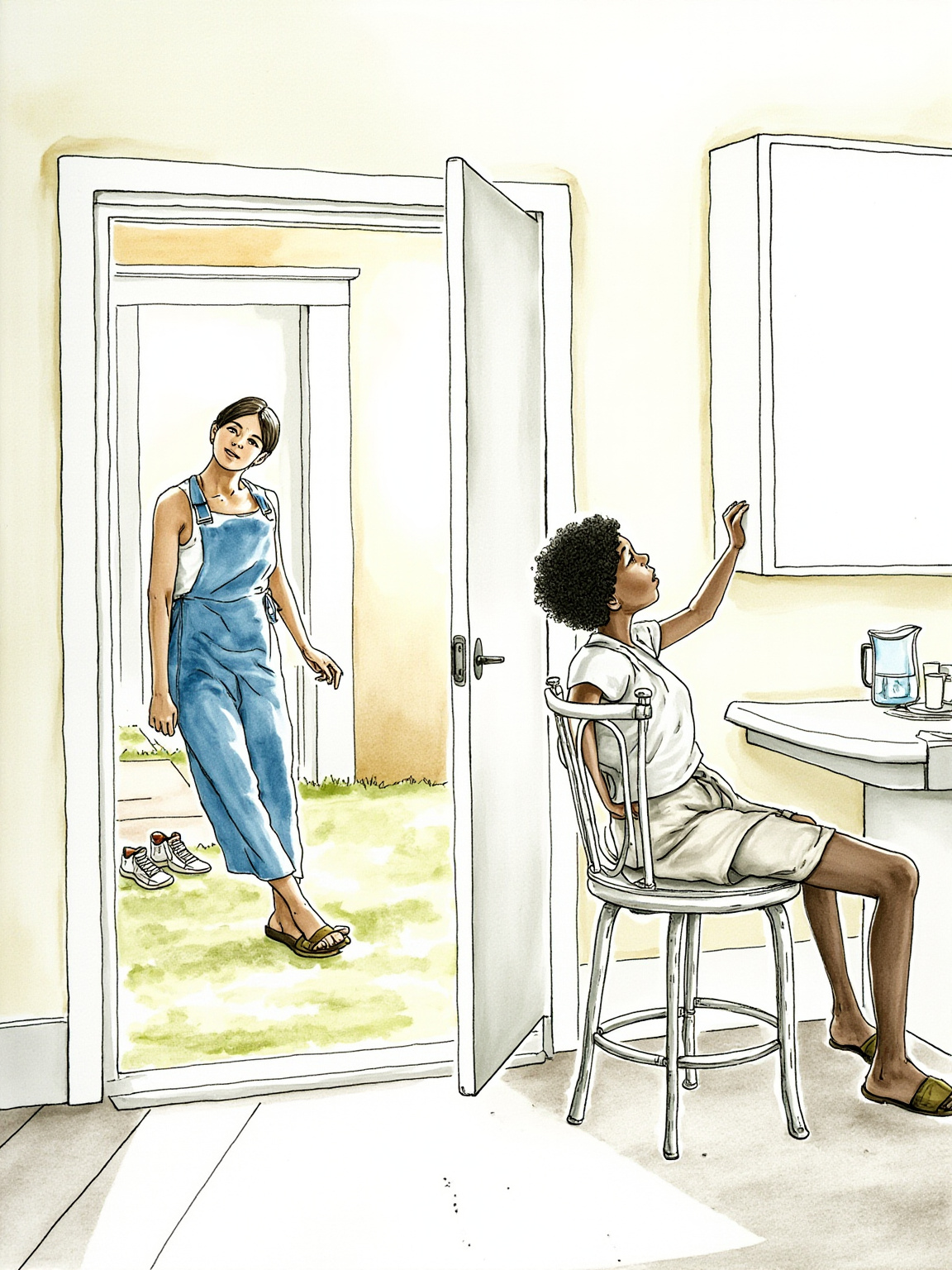
It was a summer of wrecked beginnings.
那是一个一切都刚刚开始、就又破碎了的夏天。
金句 · 第1章 · 破碎的夏天
Drunk on the Wedding
The wedding's approach sets Frankie completely alight. Her brother Jarvis comes home from an army base in Florida with Janice, from Alabama, in tow, soon to be her sister-in-law. Frankie picks out a dress for the occasion with something like fever, rehearsing over and over where she'll stand in the church. In her head she chants 'we, we, we' the whole summer long. She believes that if she's simply allowed to stand there, she'll stop being that solitary, suspended Frankie and become part of some whole family, some whole life. She even renames herself for the occasion, sick of how boyish 'Frankie' sounds, inventing something that pleases her more: the one freedom she has that summer.
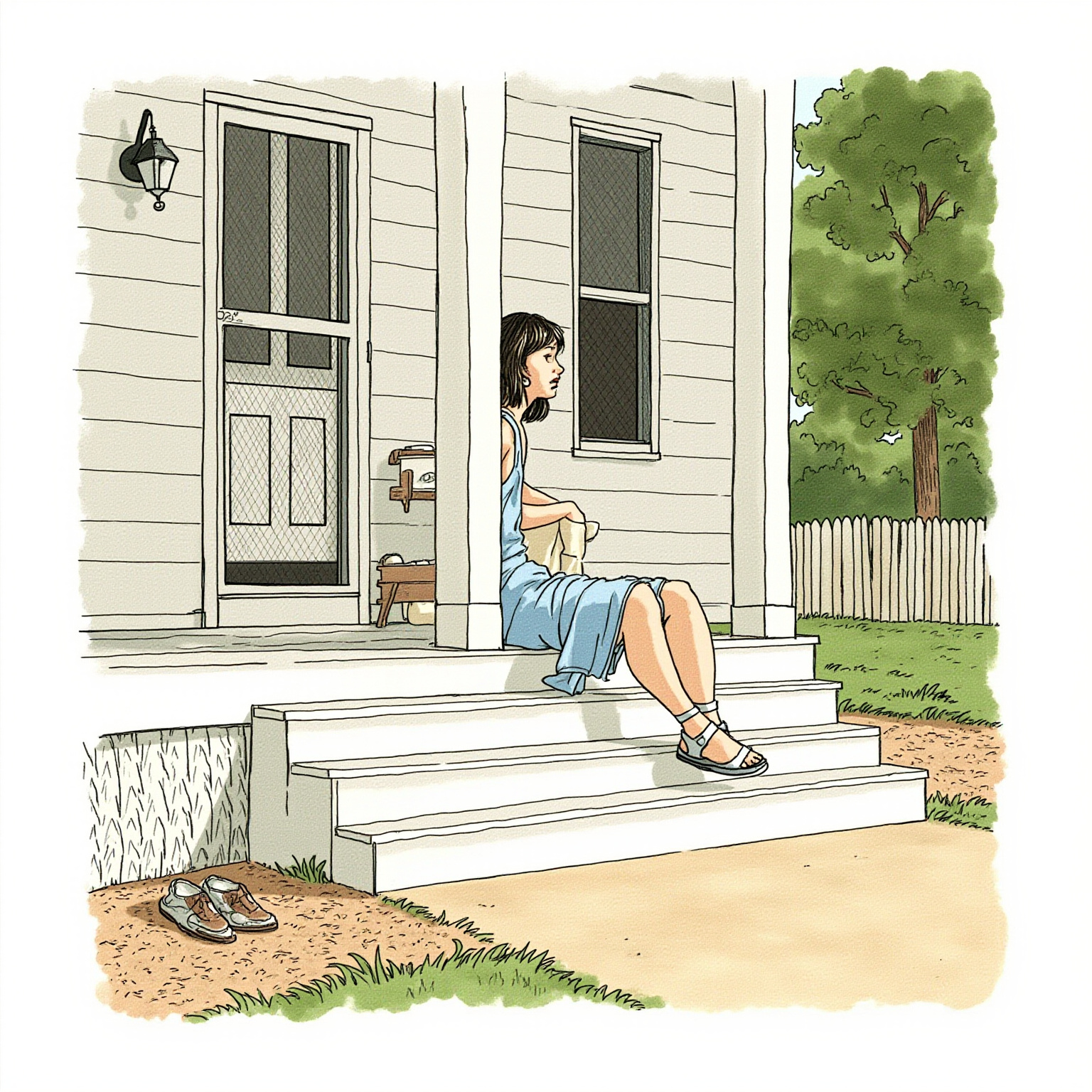
She belonged to the wedding. She was the bride and the groom, the guests and the cake.
她属于这场婚礼。她是新郎,是新娘,是宾客,也是那座婚礼蛋糕。
金句 · 第2章 · 婚礼的成员
Wedding Day: She Never Becomes Part of It
The wedding day arrives. Frankie, dressed up new, follows her mother and aunt into the church and then the reception. She watches her brother and the bride stand at the center of it, surrounded by the guests forming that 'we' she's spent a whole summer craving. Only once she's actually standing there does she find out she still isn't part of it. The wedding belongs to other people; she's a guest who's merely allowed to attend. What makes McCullers's writing here so unsparing is what she doesn't do: no tears, no breakdown. She just lets Frankie see the glass wall clearly. I can see it, but I can't get in.
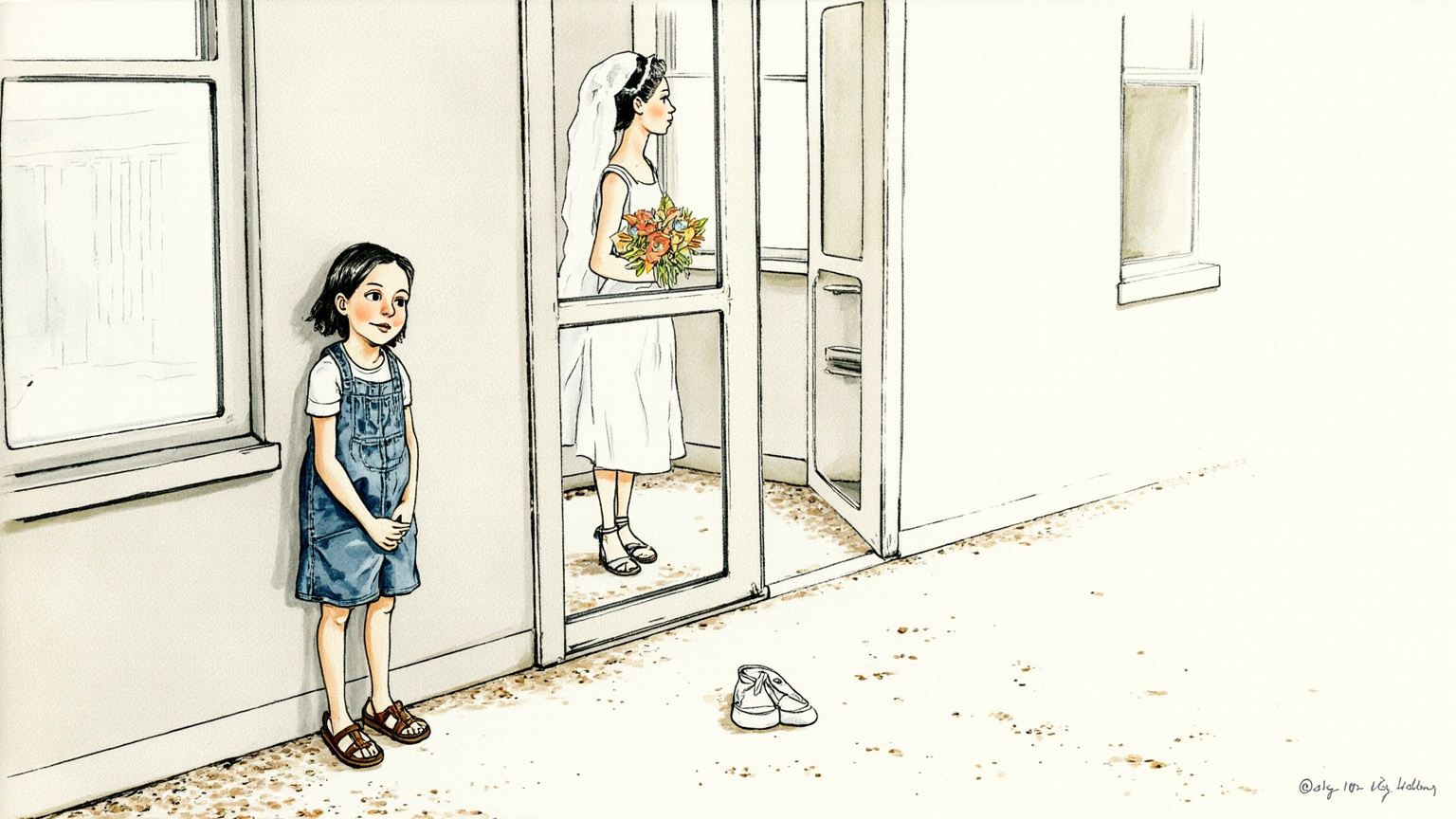
It was the wrong we, the wrong dress, and the wrong everything.
那个『我们』不对,那条裙子也不对,连整场婚礼都不对——什么都不对。
金句 · 第2章 · 错位的我们
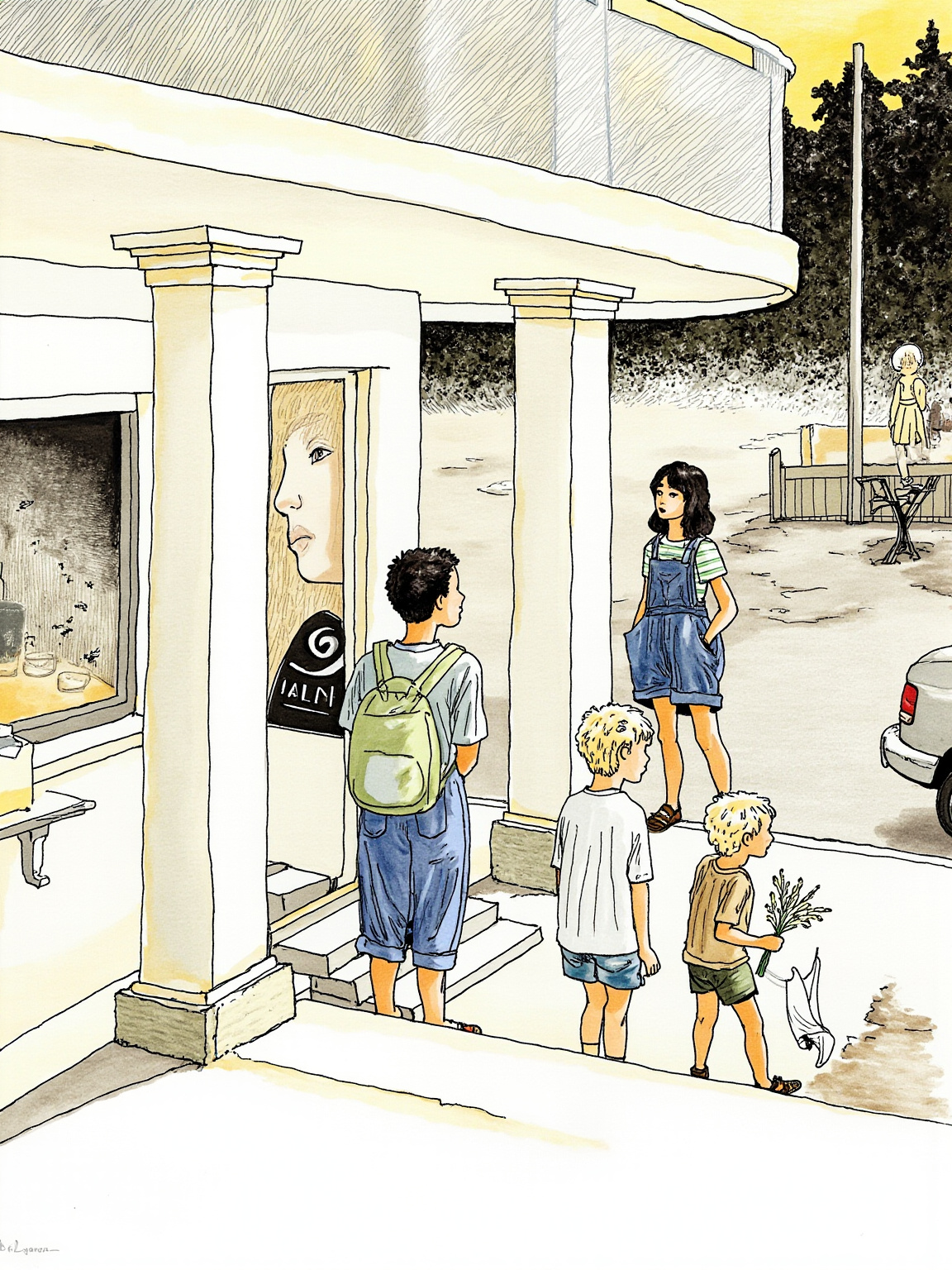
On the spot, she announces a wild plan: she'll get in the car with her brother and his new wife and go with them. It isn't running away, and it isn't an elopement, it's joining the wedding. If she follows the newlyweds when they leave, she thinks, she'll finally become that 'we.' That night she wanders the town until it's late, brushing off T.T. and the other neighborhood boys when they tag along; in the end her brother drives up to collect her, and she climbs into the back seat of the strange gray car.
John Henry: A Crack in the Summer
The morning after the wedding, her small cousin John Henry comes down with a sudden fever. Frankie rushes to his side and sits with him through the whole afternoon. McCullers writes this passage in near silence, no screaming, no rescue scene, just a girl sitting at the edge of a bed, holding a small hand that's slowly going cold, watching him leave. It's the first time in Frankie's twelve years that she runs into loss for real, not the kind where her brother is gone for a few days, but the kind where a person simply never comes back. John Henry's death splits the summer in two: half of the old Frankie, the one who thought only about the wedding, dies with him, and a new one grows in her place, who now knows what it means for someone to be gone for good.
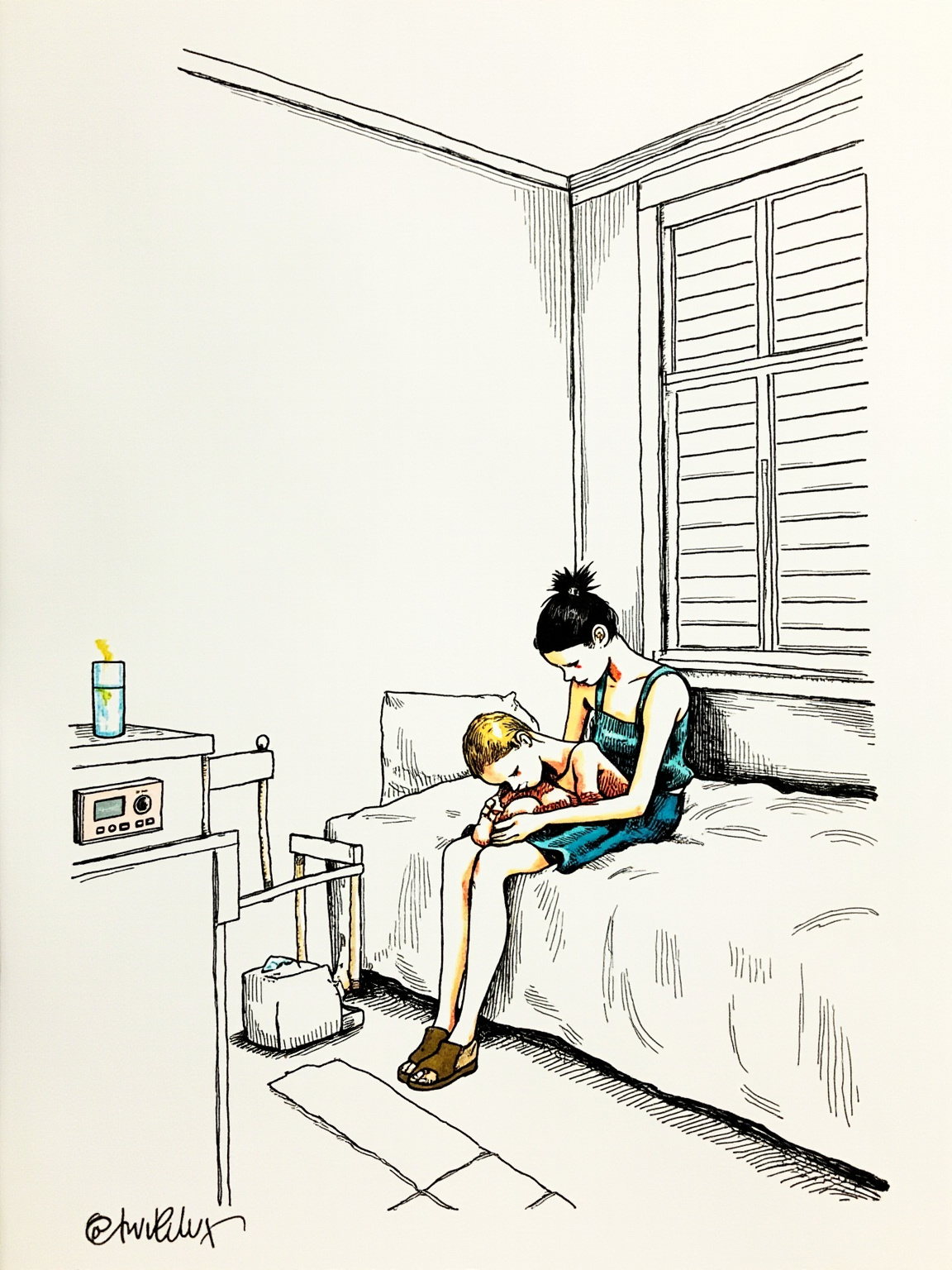
She stood at the window and watched him, and her hand went out and touched the place where he had been.
她站在窗边看着他,她的手伸出去,摸到了他刚才还躺过的那一小片温热。
金句 · 第3章 · 约翰·亨利
A Winter Night in a Strange Town, She Joins Her Own Wedding at Last
Time jumps to winter. Frankie has already climbed into the gray car with her brother and his wife and left home. At night they pull up outside a hotel in some unfamiliar Alabama town, rain has just stopped, and streetlamps light up the puddles. Through the car window Frankie sees two figures walking in the rain: a brother and sister, his hand on an umbrella, his other arm around her shoulder. She watches them for a long time.
She had of her own, at last, joined the wedding.
她终于,第一次,加入了她自己的婚礼。
金句 · 尾声 · 加入自己的婚礼
In that moment she suddenly feels she's crossed past the divided self of that summer, the Frankie who was neither child nor young woman. She no longer needs to join anyone else's wedding, because from this second on, the wedding she's joining is her own. McCullers writes this moment very lightly, nothing more than a flicker in Frankie's eyes. But that flicker is where the whole book actually lands.
All summer she called out for 'we.' Only on a winter night does she understand: the whole she was searching for was herself, all along.
Why This Book Stays With You
What makes McCullers so good at this: at twenty-three she could write a girl's loneliness so it comes out both tender and sharp. She never reaches for a big word. She just puts a twelve-year-old behind a screen door and lets her mutter to herself all summer. Southern Gothic usually goes heavy: rotting houses, violence, the grotesque. She goes the other way and picks the lightest entry point there is, a sweltering kitchen, summer shade, a white girl's 'we we we.' Finish the book, though, and you find a blade underneath all that lightness.
And it travels, across decades, across place, across race. Anyone who ever lay awake the night before the first day of school feeling like they matched nobody and belonged nowhere can recognize their own face in Frankie's. This isn't a protest novel: the moment Berenice and Frankie sit together in that kitchen is texture, not plot engine. But it doesn't look away from the color and class in the air of a small Southern town either. It just sets that ordinariness down and lets you smell it for yourself. What stays with readers is the crack that splits the summer open, the brother and sister walking through the rain on that winter night, and their own memory of the first afternoon at twelve when nowhere would take them in.
Knowing the Plot Isn't the Same as Reading It
Because an explainer gives you the map, and the text gives you the land. You now know where the wedding happens, which afternoon John Henry collapses, which winter night Frankie finally joins herself, but you haven't read the muttering in Frankie's head as she leans against the doorframe renaming herself, haven't caught the turn in Berenice's voice as she tells the story of the Black man she never married, haven't sat through the wordless quiet in the room as John Henry's breathing thins out in his last hours. Only the text itself can hold that. Knowing how it ends actually makes you better able to sit through the slowness of those small moments, because you already know which summer every falling leaf belongs to.
Art Direction4 plates
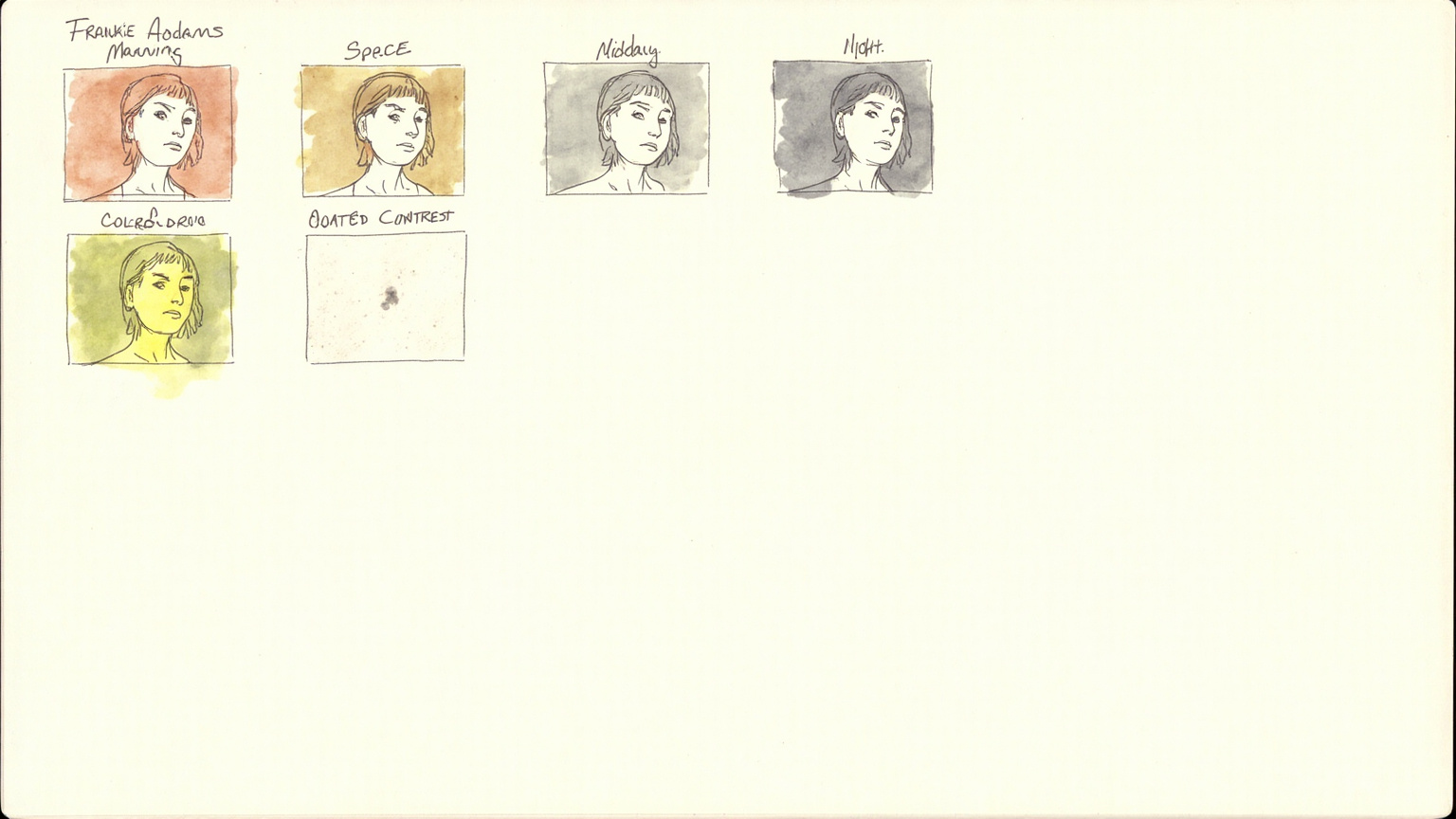
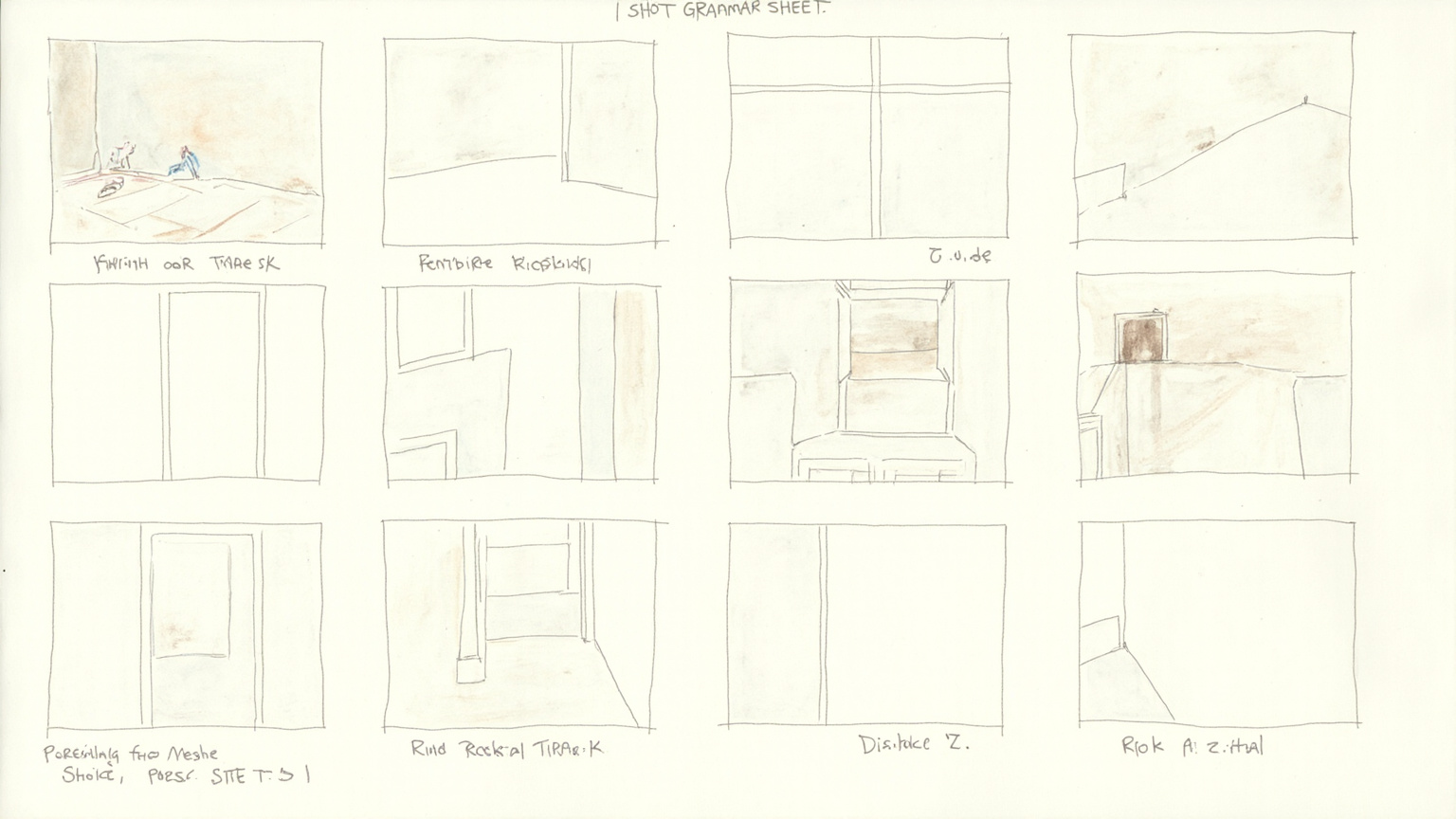
Before the guide was written, this book got a visual foundation — every illustration you just read grew out of it.