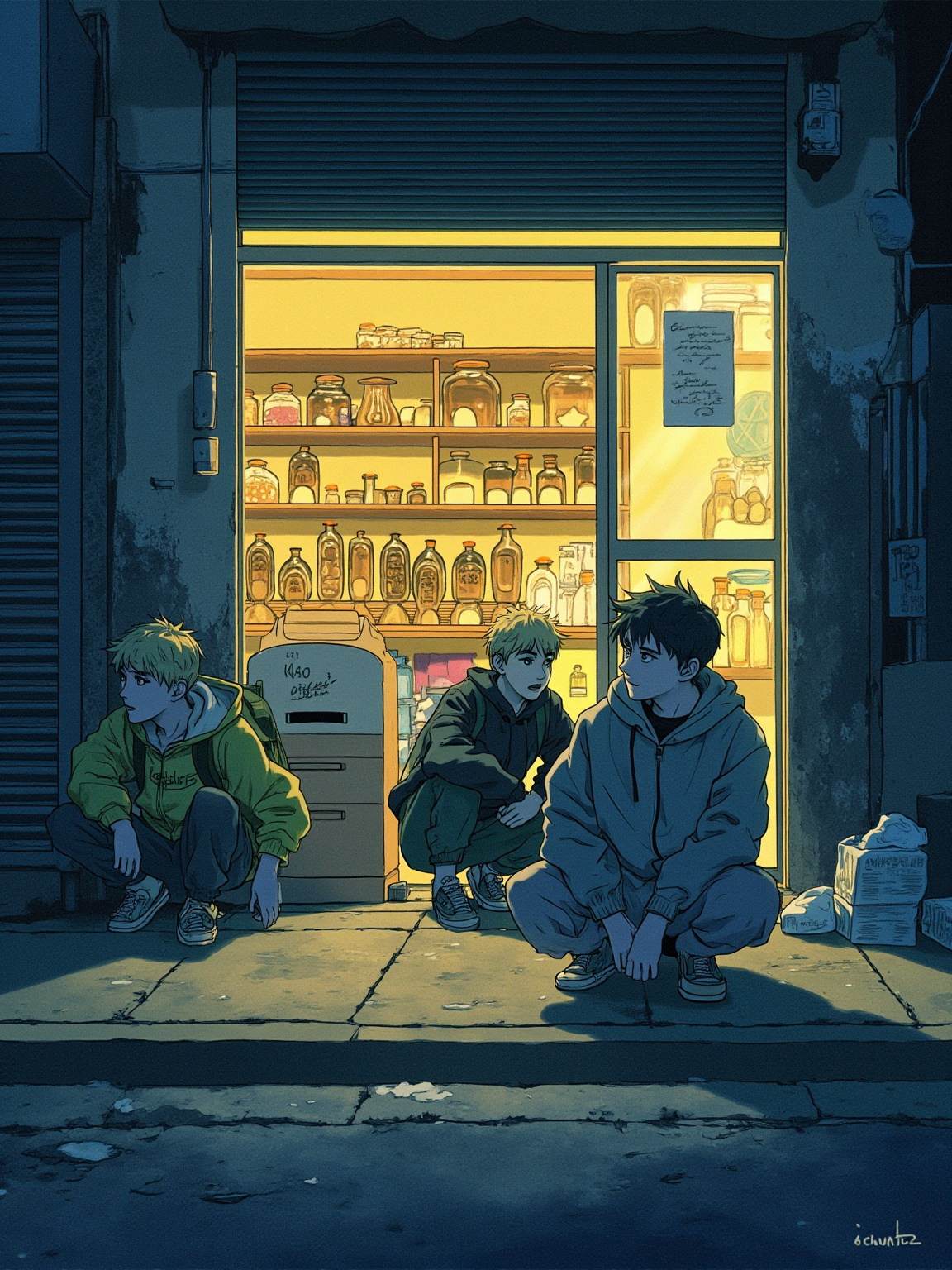
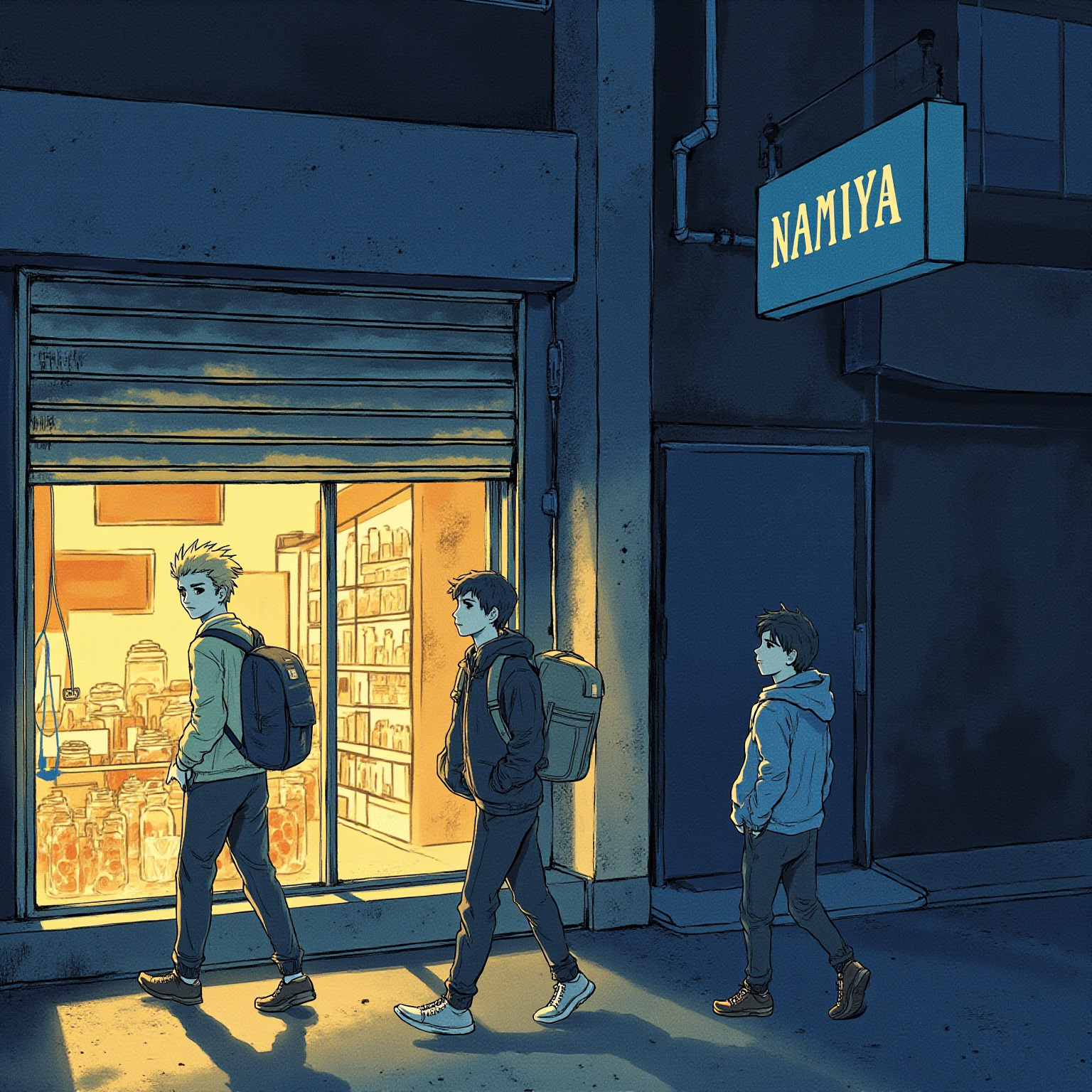
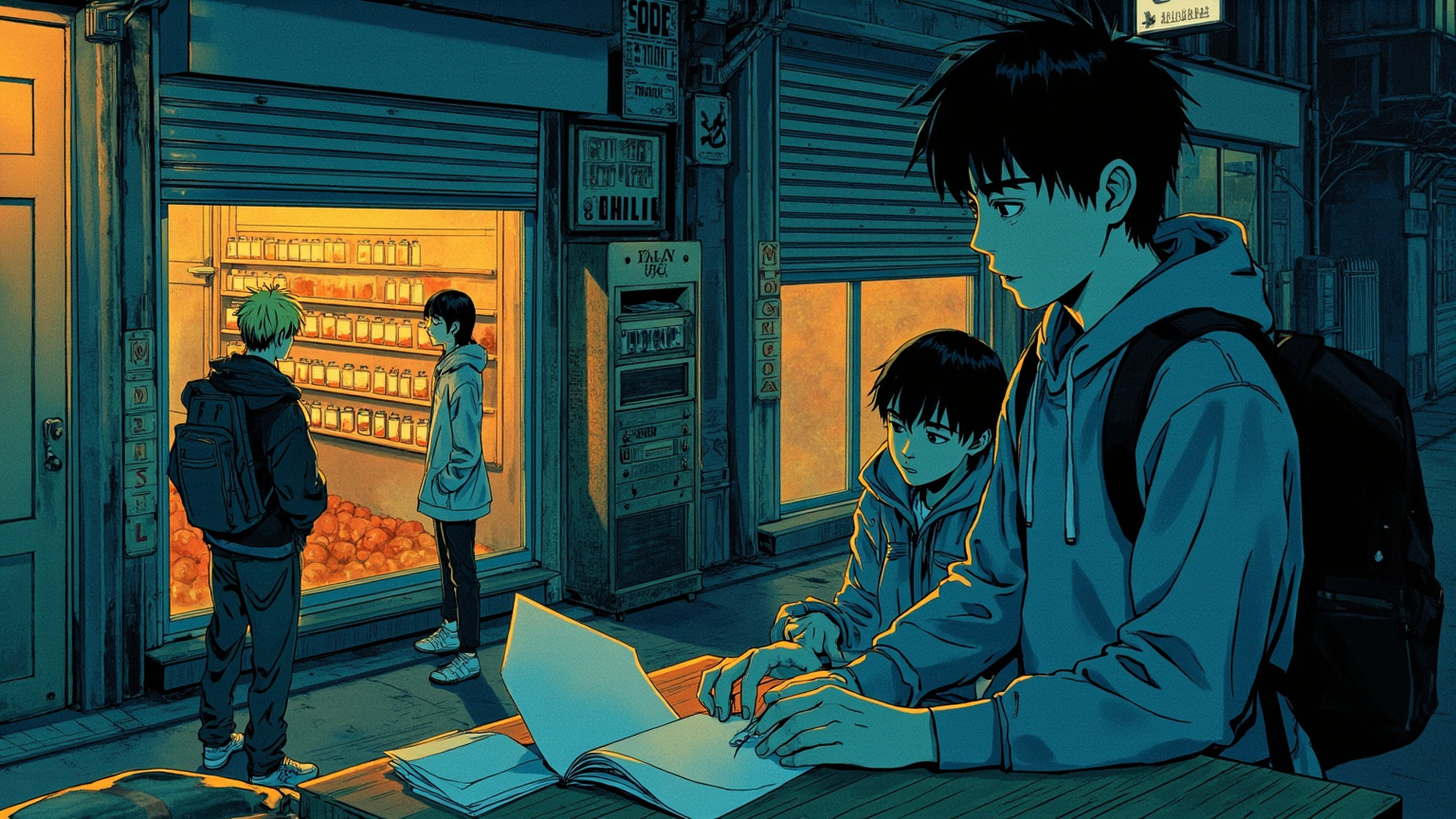
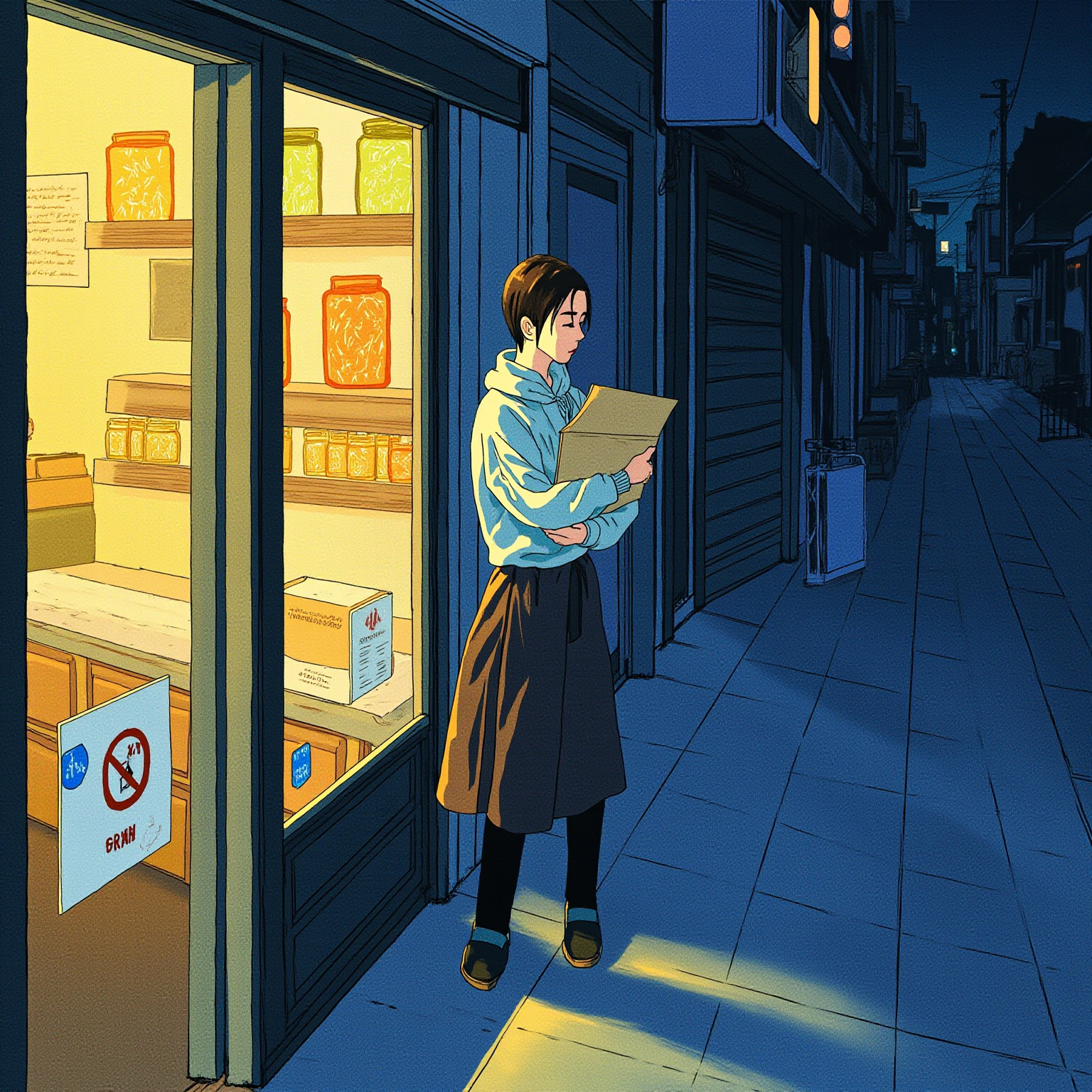
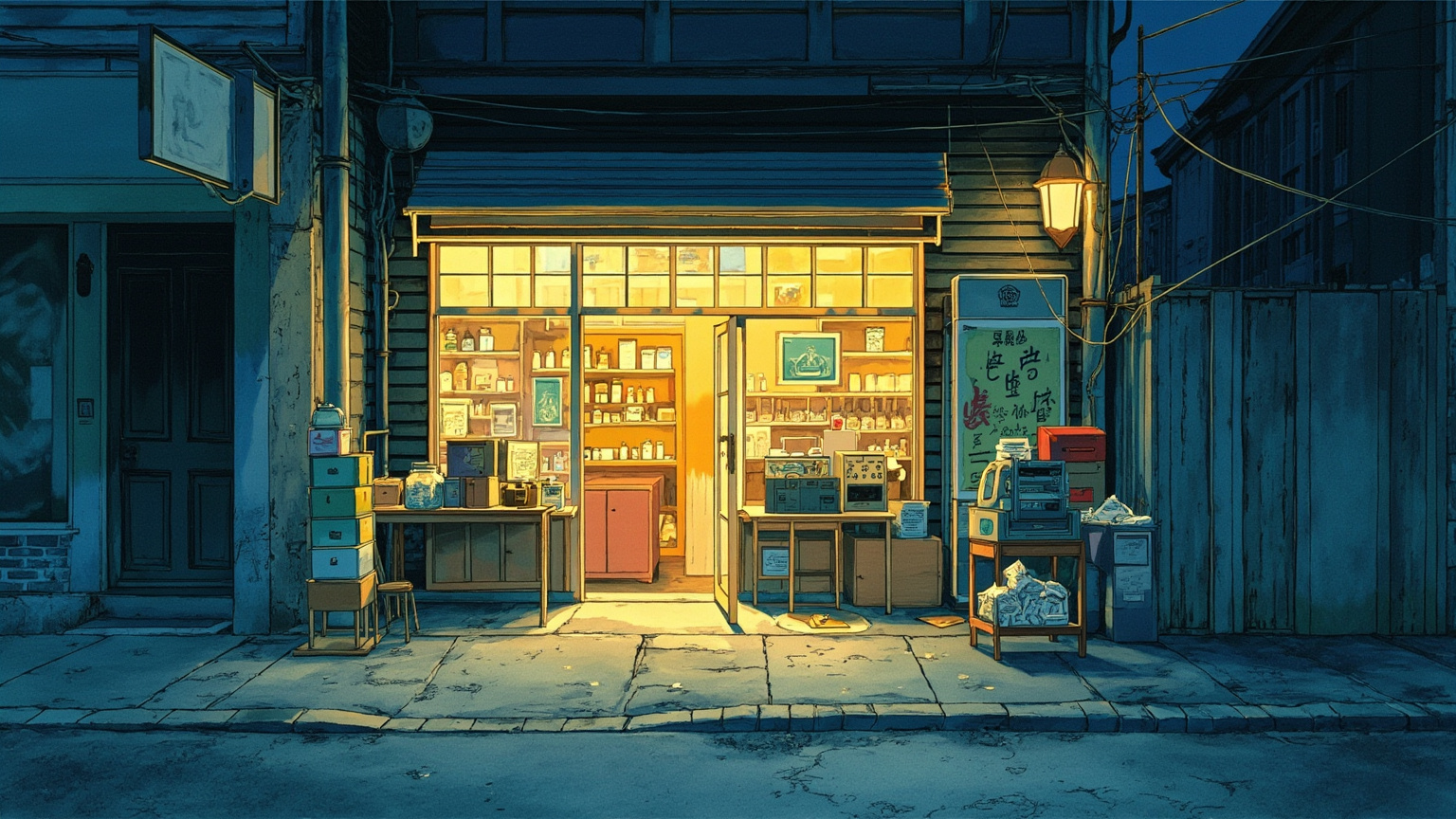
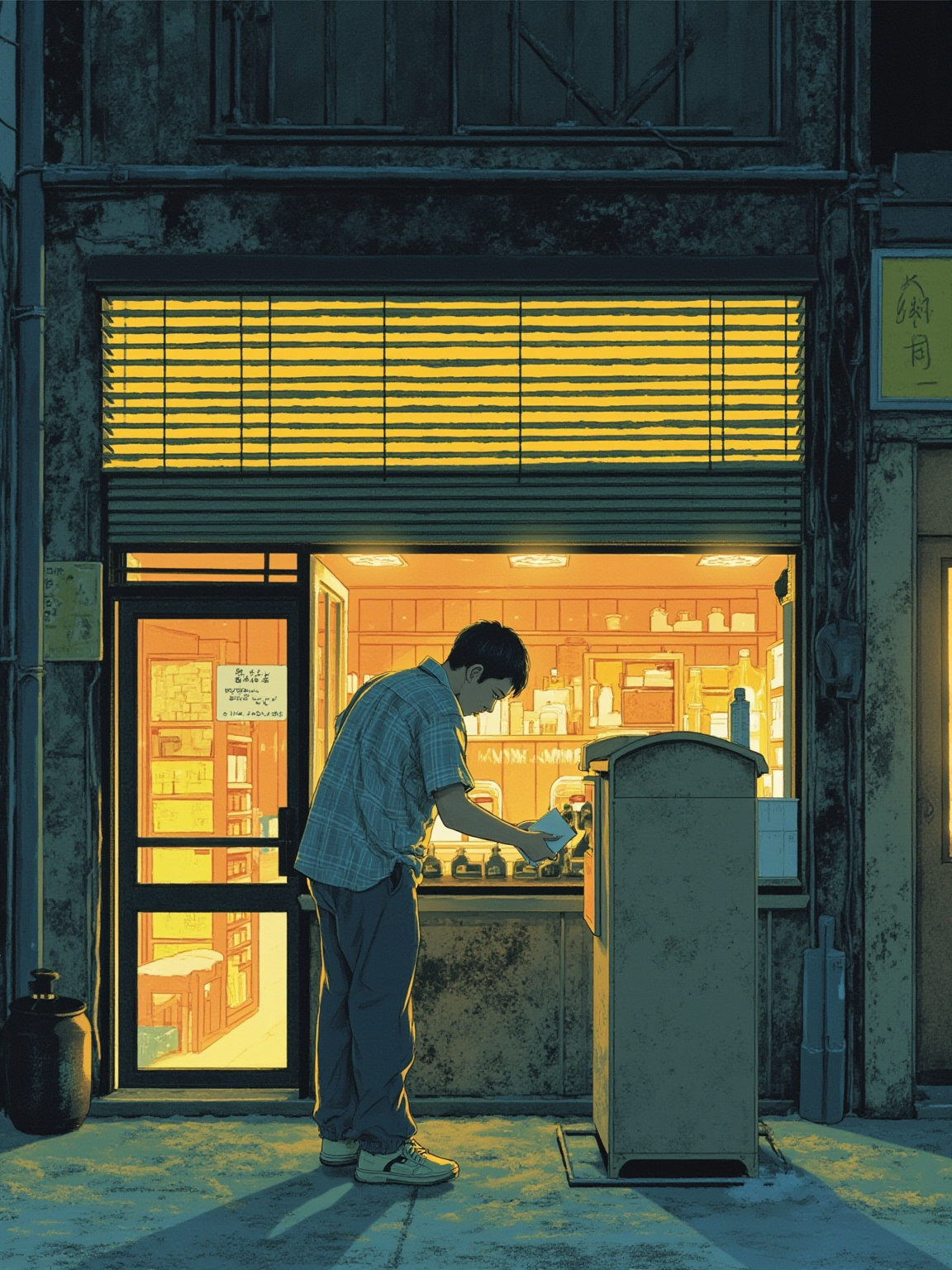
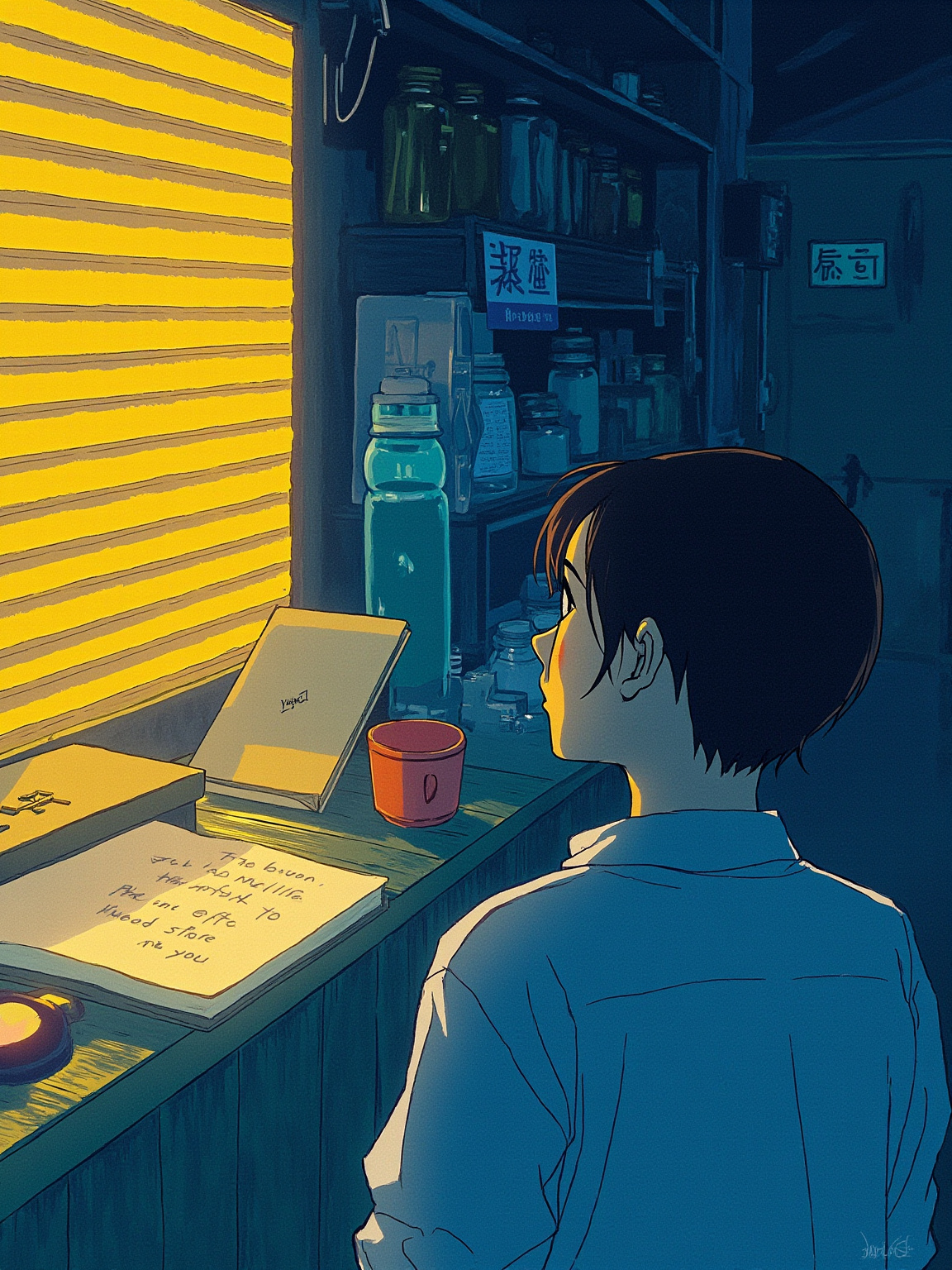
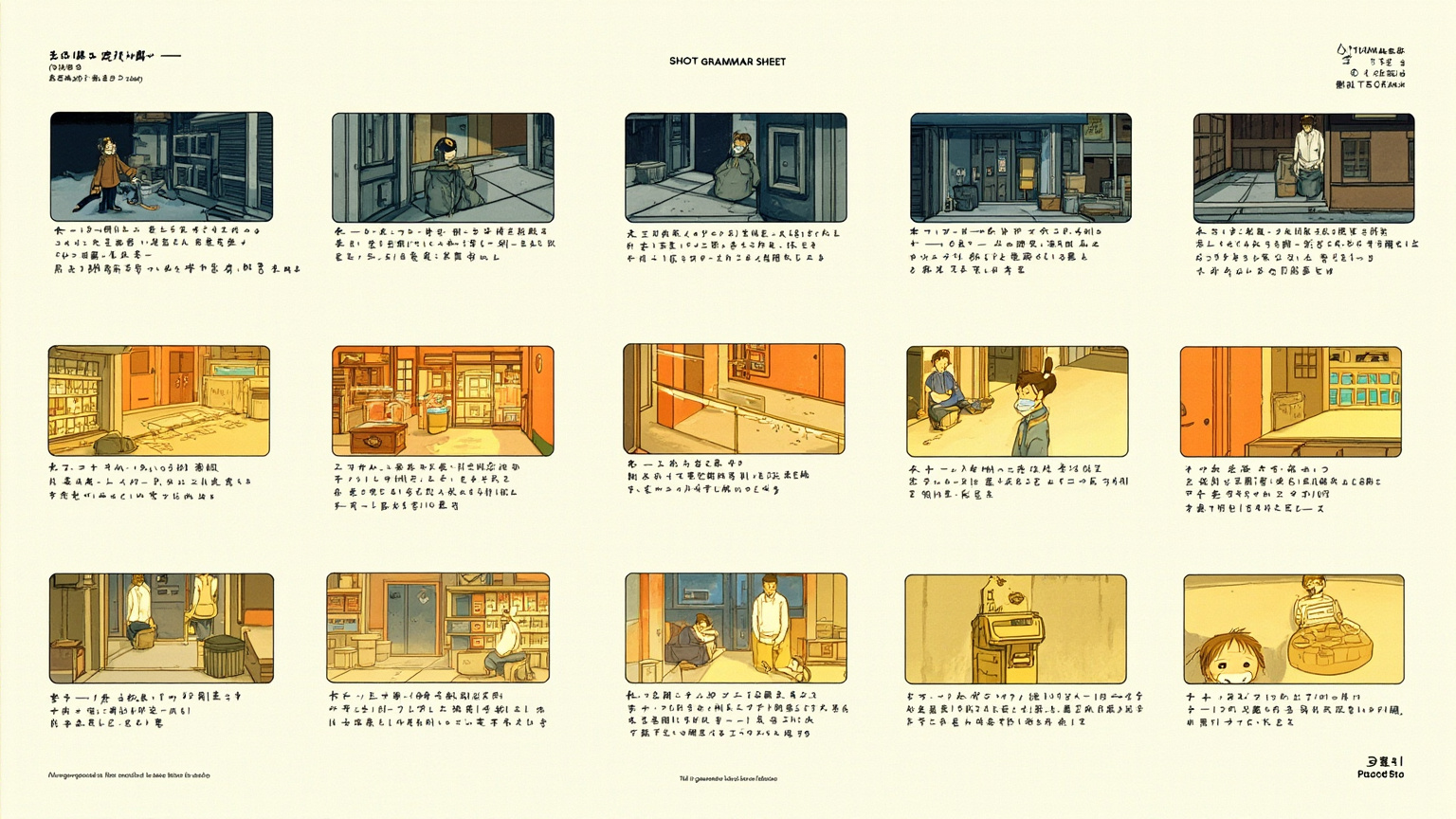
Late one night, the mail slot in the shutter clicks. A crookedly folded envelope slides down the rusted chute and drops to the floor. Before the three young men hiding inside can make sense of it, they read the words on the envelope: a phrase none of them has ever seen before, Worry Consultations.
It's a September night. In a small Japanese town, three thieves fleeing a botched robbery, Atsuya, Shota, and Kohei, duck into a general store that closed down years ago, planning to wait out the night and slip away at dawn. They aren't up to anything noble. Then a letter drops through the shutter, addressed to someone they've never heard of, though really, it's addressed to the old man who ran the store more than thirty years ago.
What Makes This Store Worth Remembering
Keigo Higashino, the Japanese mystery writer, published this book in 2012, and it has almost nothing to do with detective fiction. There's no murder, no investigator, just five ordinary people's letters, dropped through a mail slot, and the way those letters quietly rewrite each other's lives across more than thirty years. In the Chinese-language market the book has sold at an absurd scale, holding a fixture spot on bookstore shelves for the better part of a decade. Slipping a letter through the shutter has become its own cultural shorthand.
Atsuya, Shota, and Kohei are all barely out of their teens, ducking into this empty building after a crime gone wrong. Atsuya has the shortest fuse and runs the group by default. Shota is the most easily rattled, yet he's the first to take the letter-writing seriously. Kohei is the tallest and the softest-hearted of the three. Atsuya and Kohei grew up together in the same orphanage, Marumitsu Children's Home; Shota only fell in with them later. That one detail is the hinge every later coincidence swings on.
On the other end of the correspondence sits a whole cast of strangers, each caught in a bind: a fencer training for the Olympics whose boyfriend is dying, a young man expected to run his family's fish shop who wants to be a singer, an unmarried woman who's pregnant, a young woman who works a day job and hostesses at night. Every letter carries a real, unresolved choice.
How the Mail Slot Started Writing Back
The old man who ran the store was Yuji Namiya. By day the shop sold everyday goods; by night he did something else entirely: he sat down and answered, seriously, every letter that came through the slot. The first few were just neighborhood kids mocking his shaky handwriting, and he answered those too, in earnest. That stubborn refusal to treat a joke as a joke sets the tone for the whole book: kindness never needs a dramatic opening.
Five Troubles, Five Lives
Writing under the pen name Moon Rabbit, a fencer asks Namiya whether to stay with her dying boyfriend or leave as planned to train abroad for the Olympics. His answer doesn't force her to pick one. It takes the two things apart and lets her rearrange them. She ends up on a path that abandons neither the sport nor the man she loves.
Katsuro Matsuoka, the Fish Shop Musician, is torn between taking over his father's fish shop and chasing music. Namiya's letter is what pushes him to go for it, even if his family doesn't understand, not yet.
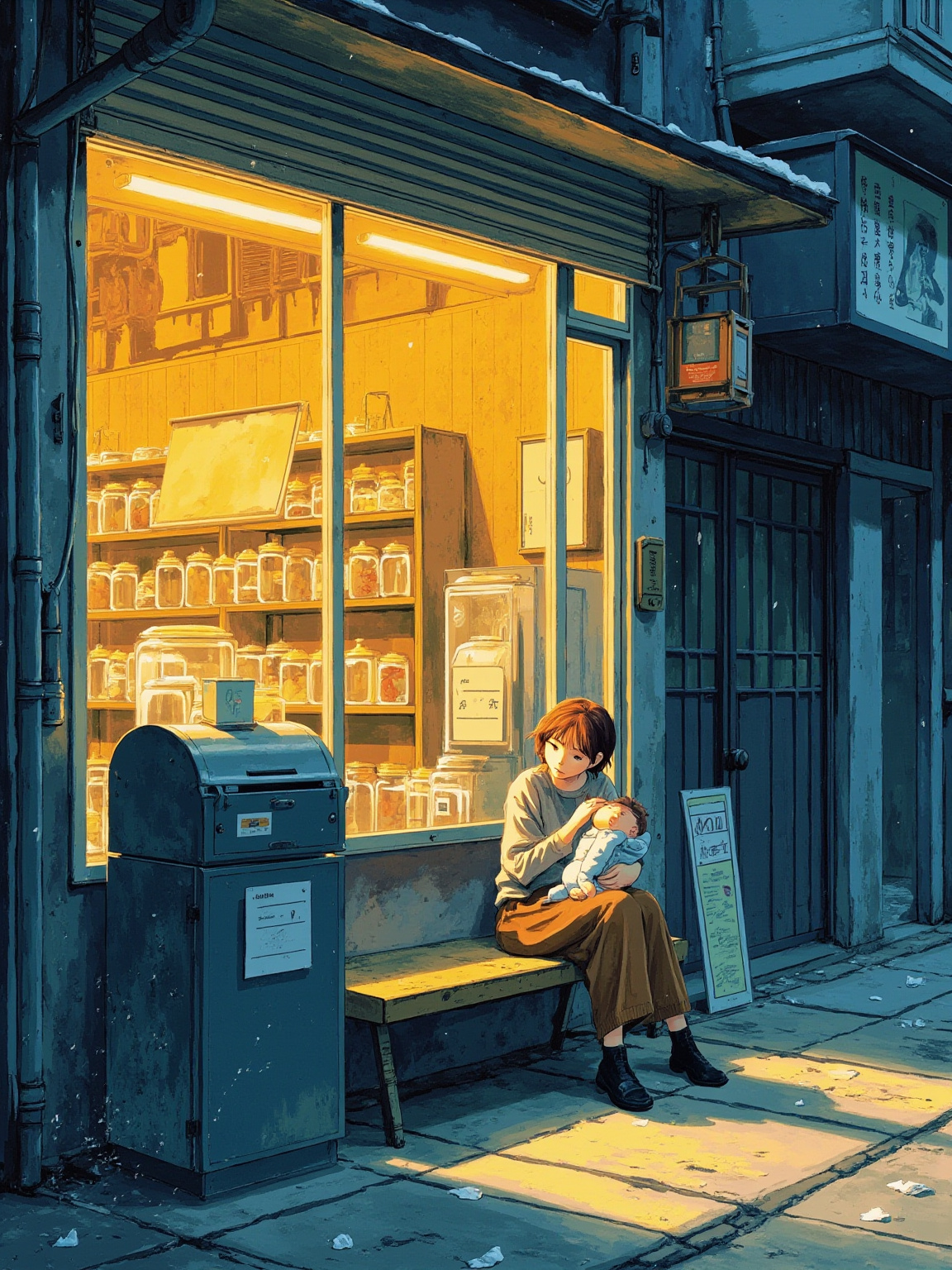
Midori Kawabe is pregnant, unmarried, by a married man. Namiya urges her to have the baby and raise her alone. She does, and dies in a car accident while her daughter is still small. The girl is taken in by Marumitsu Children's Home, and just like that, this thread is quietly tied into the orphanage's larger web.
Harumi Muto, the Stray Dog, is nineteen: a clerk by day, a hostess by night, torn between whether to quit her real job and become a rich man's mistress. Namiya's reply amounts to a simple warning: don't sell yourself. She listens, walks away from the arrangement, teaches herself securities and real estate, and builds herself into a self-made businesswoman. The first time I read Harumi's story I had to stop for a second — Namiya's letters sound so light, but they carry so much weight.
The Fire on Christmas Eve
ImaRead3
The heaviest of all these threads belongs to Katsuro. On Christmas Eve in the late 1980s, a fire breaks out at Marumitsu Children's Home. He's there for a holiday charity performance, and he runs into the flames to carry a child out, then dies in the hospital from his burns. As he lay dying, he likely believed himself a failed musician — nobody had ever heard his songs, nobody knew he'd written any.
But Katsuro had written a song while he was alive, called Reborn, and the sheet music sat in a box for years. Long afterward, a rising singer covers it and makes it a hit, and that singer turns out to be the older sister of the very child Katsuro died saving. Her manager, meanwhile, is the daughter Midori Kawabe left behind, the one Marumitsu raised. The threads click quietly into place.
Every Thread Runs Back to One Orphanage
The general store and Marumitsu Children's Home look like two unrelated places, a street apart. Behind them is an unfinished love story between two old people. Yuji Namiya and Akiko Minazuki, the home's late former director, were once young and in love, and it never worked out. Each spent a lifetime doing their own quiet work, one answering letters in a shop, the other raising children in a home, and their two stories grew, without either of them planning it, into the same web.
So the people Namiya wrote back to end up helping Marumitsu, each in their own way, exactly when it needs them most. Someone gives money, someone gives labor, someone raises a child, someone sings a forgotten song to the whole world. And the three people writing to the past from the store in the present, Atsuya and Kohei among them, turn out to be children Marumitsu raised. The web is tighter than anyone realizes.
Why a Book With No Mystery Keeps You Up All Night
Higashino brings the plotting instincts he built in his mystery novels into this gentler, linked collection, and it shows. Five stories that look independent, one character and one reply at a time, turn out to be pieces of a single puzzle that resolves around Marumitsu. The book's time trick is its quietest invention: letters slipped through the shutter land in the past, and answers come back through a milk crate in the present. There's no parallel world and no machine, just a soft rule that lets kindness travel slowly in both directions. When you read the first letter, there's no way to know that the singer topping the charts with Reborn connects to Midori Kawabe's daughter, to Katsuro Matsuoka's sacrifice, to the fire at Marumitsu. It's the kind of novel that sends you flipping back to find the thread you missed.
The Last Letter Comes From the Old Man Himself
ImaRead4
The night is nearly over, and the three young men think the story has run its course. Then one more letter slides through the shutter, a note of thanks. Yuji Namiya wrote it near the end of his life, addressed to whoever might come. He didn't know when that would be. He was betting that someday, someone would be willing to sit with a stranger's old letters and answer them properly.
Reading this part, it struck me: the whole book runs both ways, an old man helping the young, and an old man reaching out to the future for help himself. Three young men who started out killing time with a prank end up being the ones who get thanked.
The Blank Page Atsuya Left in the Milk Crate
It's nearly dawn. The three of them sit stunned by the gratitude in Namiya's letter. Atsuya is the first to move: he walks out to the milk crate outside the store, pulls a crumpled piece of paper from his pocket, folds it without writing a word, and pushes it in. When Shota asks what he's doing, Atsuya says it's a message for the old man from thirty-some years ago. Blank is fine. As long as someone receives it, it isn't nothing.
That's how three small-time burglars end up writing the reply to their own lives, with one sincere letter. It's the lightest gesture in the whole book: no speeches, just someone bending down to drop a piece of paper into a box.
Why the Spoilers Don't Kill the Book
Now that the plot is spoiled, is the book still worth reading? Yes. A summary can tell you what happens, but what actually holds the page is Namiya's tone — as plain as ordinary conversation. He never preaches, never moralizes, just thinks things through for people, letter after letter, the way a neighbor's grandfather would. And the rough, cursing, grumbling voice of the three young men in the opening pages is something no summary can carry. You have to read it line by line to feel how they get pulled straight, a little at a time.
How far can a thirty-year-old letter travel? This book's answer goes further than far — it circles a full three decades and lands back in a beat-up milk crate.