The Moon and Sixpence · Companion Guide
月亮与六便士
一个证券经纪人抛妻弃子去画画,死前烧掉惊世之作——毛姆用冷酷笔触追问天才与道德的永恒悖论。
Opening
A London marriage everyone envies: the stockbroker Charles Strickland, steady career, respectable wife, well-behaved son. One evening after dinner he leaves a note on the table and disappears. No mistress, no explanation — gone like a drop of water off the sofa cushion. Maugham opens the book as high-society gossip, with everyone whispering that he must have run off with some woman, then at the end of the first chapter tells the reader, flatly: you guessed wrong.
What Kind of Book This Is
This is Maugham's 1919 novel. A London stockbroker abruptly abandons his family to paint, and from there falls into poverty, loses everyone around him, and burns his one masterpiece before he dies. Maugham said outright that this is not a biography of Gauguin — he borrowed the bones of Gauguin's life and built onto them a fictional character more extreme and less forgiving than the real man. The title, The Moon and Sixpence, comes from a review that once joked about a different Maugham novel: so busy staring at the moon that you miss the sixpence at your feet. Later readers took the line and made it the book's central metaphor.
People and World
The story is pieced together by an unnamed young novelist, the narrator, who meets the Stricklands through London's literary circles. Later his wife Amy asks him to go to Paris and talk her husband into coming home, and later still he travels to the South Pacific to track down the people who watched it all happen and check the details against them. The whole book is his account, told years afterward — part memory, part guesswork, part reconstruction — while Strickland himself stays silent throughout and never once explains himself. This absent subject is the book's most ruthless structural choice: you never read him from the inside, only through a chain of strangers who once sized him up, and the more you piece together, the more he looks like a hole.
In Paris the Dutch painter Dirk Stroeve stands at the opposite pole: mediocre, kindhearted, and freakishly good at spotting talent. He decides Strickland is a genius at first sight, empties his pockets for him, and takes him home to nurse him back to health. His wife Blanche, quiet and withdrawn, falls in love with Strickland while caring for him. Dirk's kindness, Strickland's coldness, Blanche's obsession — three people crammed into one Paris apartment, a miniature meat grinder. Further on comes Tahiti: the local girl Ata asks for nothing, gives everything, bears his children, and stays with him even as the leprosy spreads. The book's cast reads like specimens cut from different civilizations — the propriety of a London drawing room, the rules of the Paris art world, the raw freedom of the tropical jungle — and Strickland peels off one layer after another, falling further each time, until he lands on the barest one.
How the Plot Moves
The London drawing-room chapters are written with real restraint. Maugham's high-society luncheons read like a china display with everyone in place — the glaze is perfect and not one piece is telling the truth. When the narrator first meets Strickland, the man is dull, slow, the most thoroughly tamed specimen of respectability you could ask for. Everyone assumes this household is as solid as the vault at the Bank of England. At forty, Strickland writes a note, leaves it on the drawing-room table, and walks out on years of marriage, a school-age son, and a brokerage seat with a steadily climbing income. Amy at first makes excuses for him to the narrator — he must have fallen for some woman and lost his head, go to Paris and talk sense into him. The reader is meant to believe it too. Maugham lets you get it wrong once, so the twist cuts deeper on the way back.
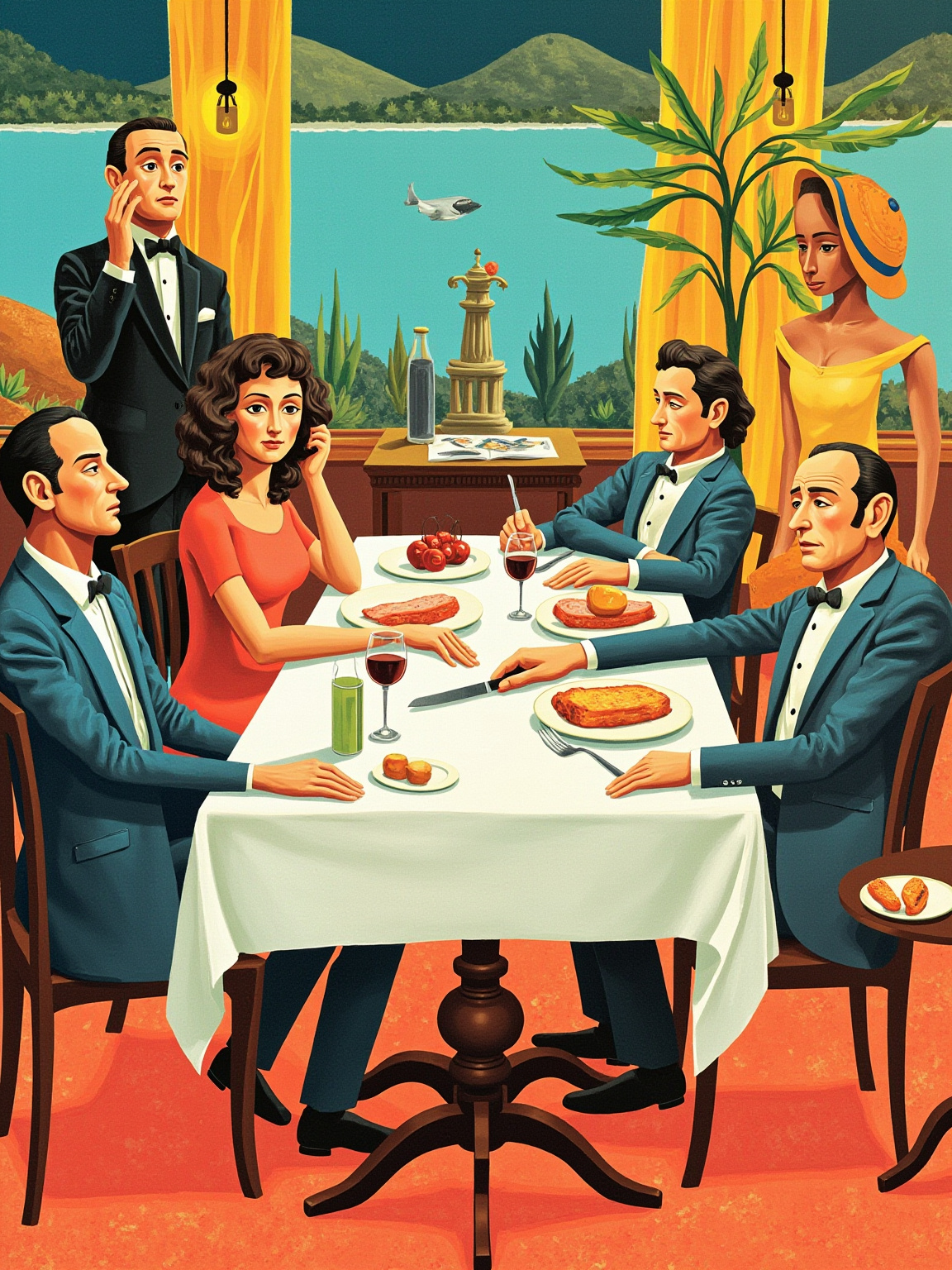
I recognised its social values, I saw its ordered happiness, but a fever in my blood asked for a wilder course.
我承认这种生活的社会价值,我也看到了它井然有序的幸福,但我血液里的狂热却要一种更狂放的人生。
原文金句 · 第3章 · 体面的牢笼
The narrator tracks him to a shabby Paris hotel. Strickland opens the door in a coat crusted with paint, thin as a pole. Asked why he abandoned his family, his answer is barely an answer: I want to paint. Asked what happens to his wife, his son, his seat on the exchange, he has no answer, or can't be bothered to give one. In every exchange he runs out of patience before the person questioning him does. What the narrator carries back to London isn't a plan to bring him home — it's a mind knocked flat by the truth: the respectable marriage, the idea that a man needs a helpmate, all of it was camouflage Strickland had built for himself. A man who hadn't touched a brush in forty years picks one up like catching a fever, and the fever doesn't break until he's dead.
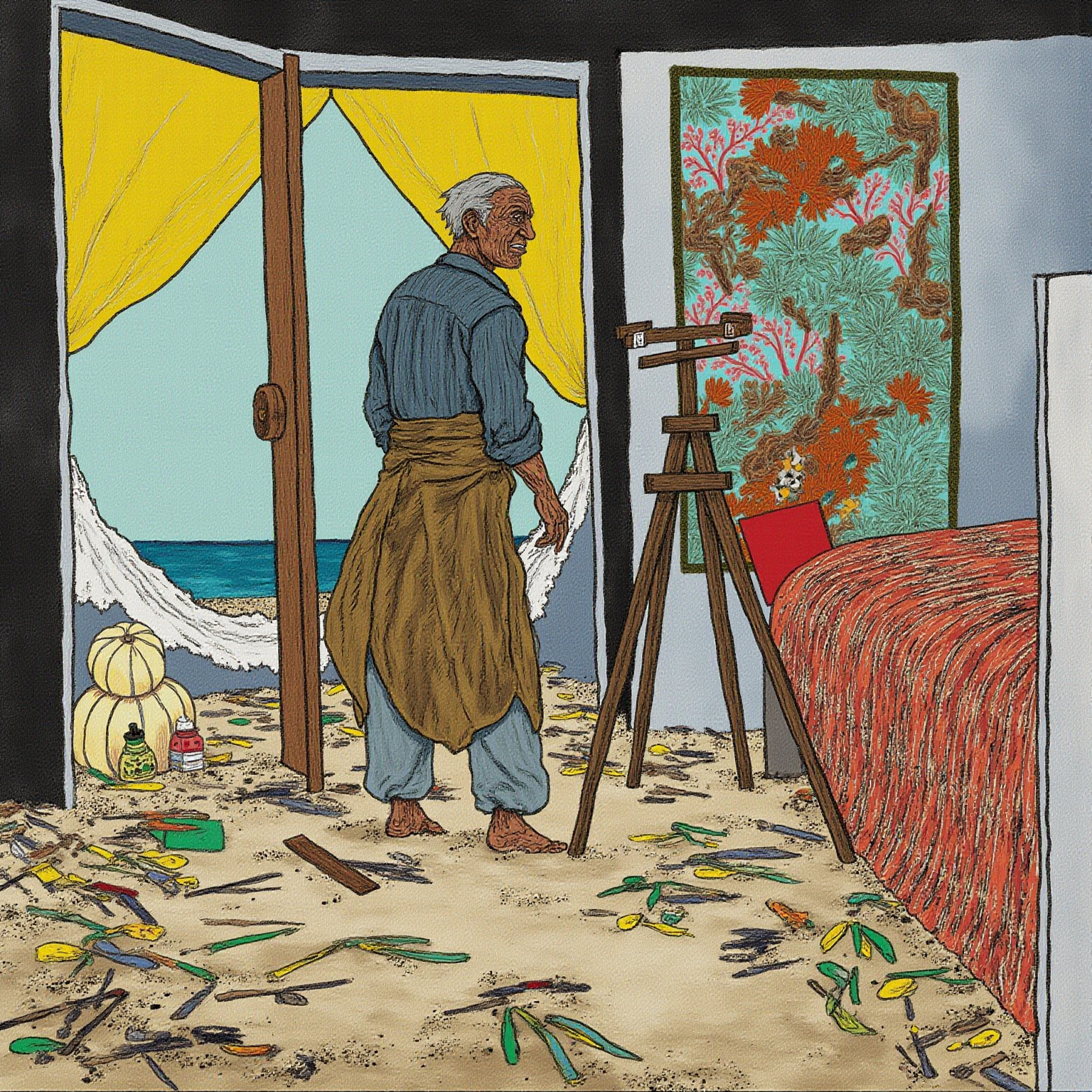
When I asked him what his brother-students at the night classes he had attended in London thought of his painting, he answered with a grin: "They thought it a joke."
我问他,他在伦敦夜校的同学怎么看他的画,他咧咧嘴:‘他们觉得是个笑话。’
原文金句 · 第8章 · 巴黎陋室
This is where good-hearted Dirk Stroeve enters — a man Strickland tortures for the rest of his life and who still speaks up for him. In a café in the Latin Quarter, Dirk sees Strickland's paintings for the first time and decides, on the spot, that this is the once-in-a-lifetime genius he's been waiting for, even though his own painting, for all his years at it, will never come near it. Worse, he's genuinely kind: when Strickland falls dangerously ill, Dirk coaxes and bullies him into his own home, gives him the warm room, the hot meals. Blanche brings soup to the sickbed, Dirk cooks in the kitchen, and Maugham writes the scene warm enough to believe in — then cuts that warmth off at the root in the next chapter: Blanche falls in love with Strickland and leaves her husband for him. And how does Strickland repay her? Like tossing out a used rag. The day she poisons herself, he doesn't even look up from his easel.
The detail about Stroeve that's hardest to sit with isn't his own grief — it's what happens after Blanche is dead. Back in the Paris apartment, he looks up at a painting of Strickland's on the wall, one he'd always hated, and this time it stops him cold. Eyes red, he tells the canvas: he really is a genius. That line cuts deeper than the death itself — a good man recognizes real talent in the person who destroyed his marriage, vouches for it anyway, and gets pulled back in regardless. What is the sixpence? This is the sixpence: the thing an ordinary person spends a lifetime holding onto, and someone else picks up without even noticing the weight.
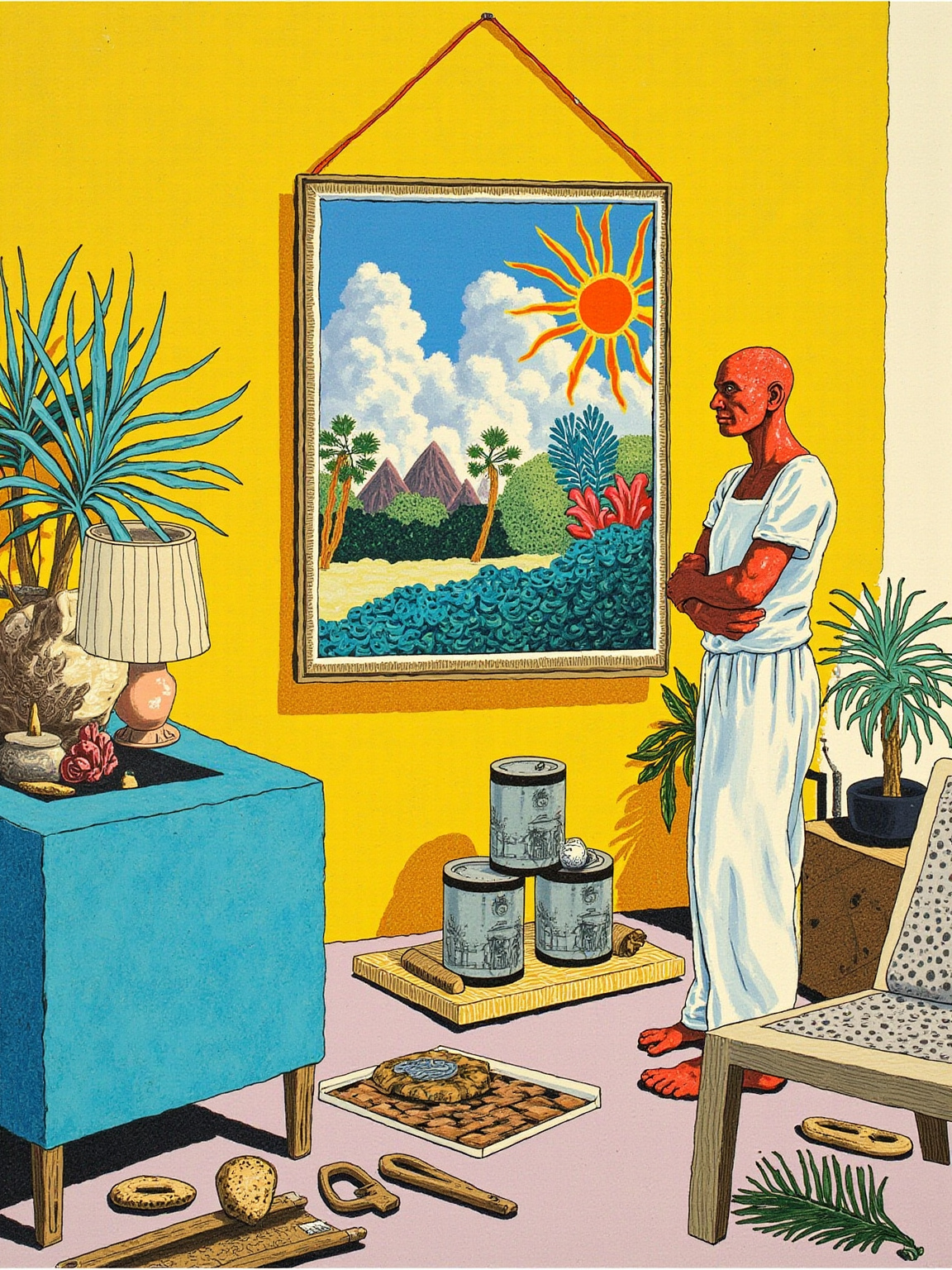
Now I am well aware that pettiness and grandeur, malice and charity, hatred and love, can find place side by side in the same human heart.
现在我很清楚,渺小和伟大,恶意和慈悲,憎恨和爱恋,是能够并存于同一颗人类的心灵中的。
原文金句 · 第10章 · 画室风暴
The middle section drops into the Marseille slums, and Maugham's prose turns cold with it. Strickland ends up in a workhouse eating charity gruel, working the docks with a slippery sea captain named Nichols. He paints houses, copies documents at night, runs errands for dock hands. Maugham never stages a heroic-decline scene — he just piles up plain, specific things: soles worn through, a coat pawned, a place in line at the workhouse gruel pot, and a once-respectable man of the financial district is scraped down to a skeleton in front of you. In Paris he'd at least had bread from a German friend, a room Blanche had left behind; in Marseille he has nothing. And this still isn't the worst of it — worse is coming.
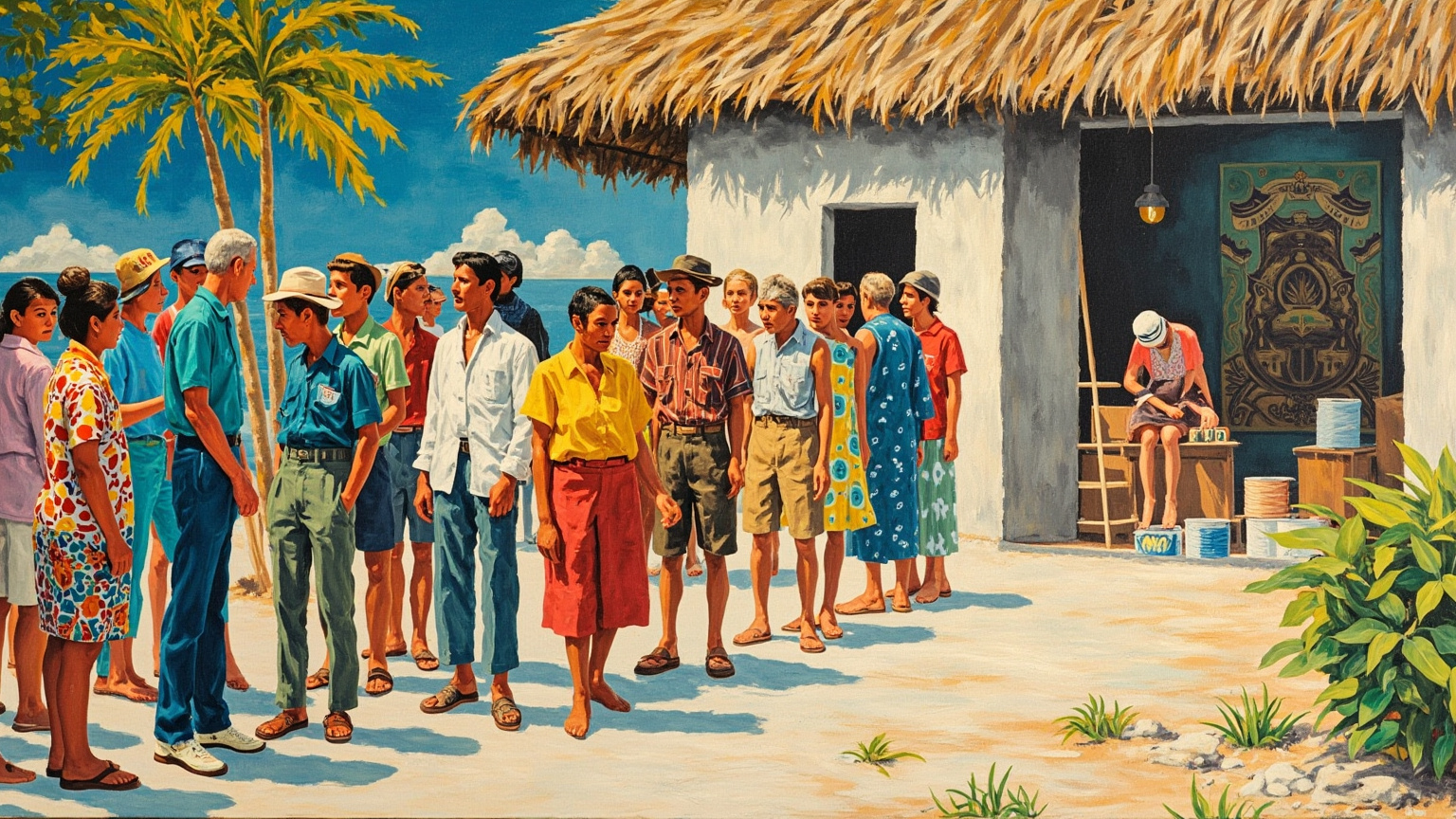
Here all the decencies of civilisation are swept away, and you feel that men are face to face with a sombre reality.
在这里,文明的一切体面全被扫荡一空,你感到人是直接面对着一种阴沉沉的现实。
原文金句 · 第36章 · 马赛深渊
Tahiti catches him. Sea wind, coconut groves, coral reef, afternoons heavy with heat — Maugham writes this section as if a different man had taken over the pen. Everything tight, sharp, and cold in the earlier chapters loosens here. On the island, the hotel keeper Tiare Johnson introduces him to Ata, a girl from the countryside. They meet once, exchange almost nothing, and Ata goes with him. They move into a hut deep in the jungle, roof of woven palm leaves, walls of palm trunks. She works the land, he paints, they have children, and they live like a family. She doesn't cling to him, doesn't question him, never brings up the household in London, and he has no need to hide or run. This is the one stretch in the whole book that opens up, and Maugham doesn't show off writing it — the sentences turn short, everyday, lit.
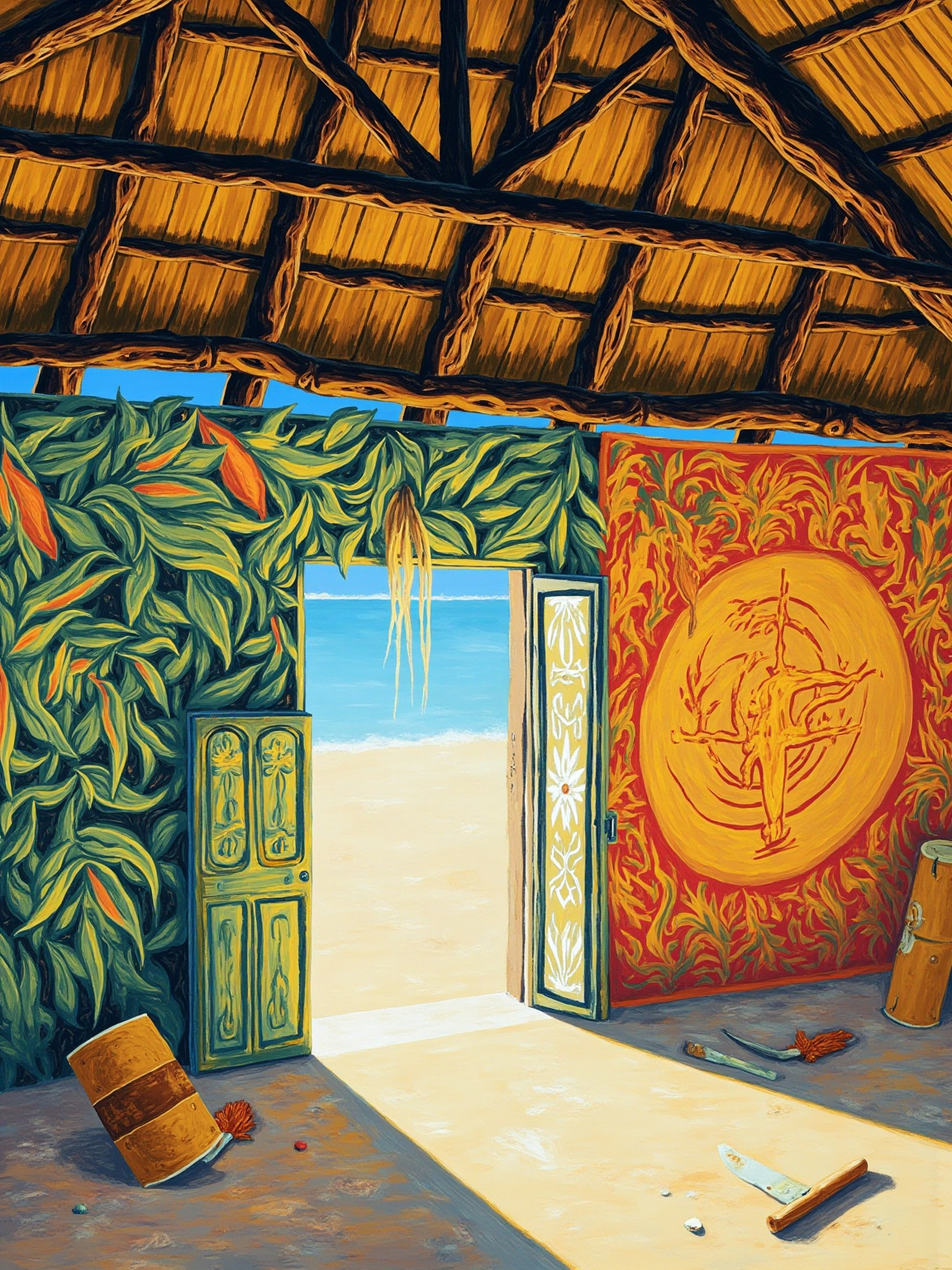
The leprosy starts as a patch of numbness on the sole of his foot. Dr. Coutras comes to examine him and tells him there's no cure — it will climb the body slowly, taking his feeling joint by joint, and end by taking his sight. Strickland receives the news the way other men hear that tomorrow will be sunny, and goes back to his room to paint. Maugham handles the decline with real restraint — no sores, no ruined face, just a pair of eyes fading a little at a time until he can no longer tell one tube of paint from another by color. The most terrifying thing the French doctor has ever seen: the walls of the hut covered floor to eaves, one outer wall bleeding into the next, an entire creation myth of where people come from and where they go — painted by a man who is already blind.
For the illustration I asked for the double perspective held in one frame: outside the hut, hot wind through the coconut palms, half-dried palm fronds hanging from the doorframe; inside, walls of dense, saturated color, dried paint pots and a blunted palette knife scattered on the floor. The man who made all of it can no longer see any of it. This is the single most important image in the book, the whole secret of Strickland made visible: he never explains himself, never cares what anyone thinks of him, and never intended for a living soul to see this painting at all.
What It's About
The moon and the sixpence is the truest summary of this book, but Maugham never says the phrase himself — he writes it instead as one concrete scene after another: a note left on a drawing-room table, a paint-crusted coat in a Paris hotel, soles worn through on the Marseille docks, a pair of eyes going blind in a jungle hut in Tahiti. The real question at the center of the book isn't whether a person should chase an ideal — it's what you do with someone whose way of chasing it runs everyone else over. Maugham refuses to excuse him and refuses to convict him. He just sets him down in front of you, alive.
The second thing worth noticing is the structural blank at the center. A book about a painter, and the subject never once explains himself, start to finish; all you get is what other people saw of him, what they passed on secondhand, adding up to an outline that looks more and more like a well with no bottom. This absent subject forces the reader to do the work: is he a man swallowed by the hunger to create, or a bastard using art as cover? Both answers hold at once, and you can never quite settle on one — which is exactly why this book keeps working on you long after you close it.
What It Means for Readers Today
The most dangerous way to leave this book is with the thought I should chase my dreams too. Strickland isn't a mirror — he's a hammer. He tramples a good man's kindness into nothing, burns through the life of the woman who loves him, grinds his own children's childhoods into a footnote no one bothers to mention — and then paints something the world will never see again, and burns that too, with his own hands. This isn't a feel-good story about chasing dreams. It's a warning that chasing them might mean burning everyone around you for fuel. Maugham lays out human greed, cruelty, and a total indifference to family obligation, and refuses to hand down a verdict. Over a hundred years later, no one has managed to explain Strickland away.
Why Read the Novel Itself
A guide like this one gives you the full map, but it can't hold Maugham's own account of the line at the Marseille gruel pot stretching out day after day for a week, or the thick, overheated air of the room the afternoon Blanche takes the poison, or the exact smell as the paint on those Tahiti walls turns from scorched pigment to something almost sweet as it burns. Those you can only get by opening the book yourself and breathing them in. A hundred-year-old novel that can still cost you a night's sleep over one character's actions — that's worth an evening or two of your time.
He didn't burn the paintings. He burned everyone still alive who hadn't seen them yet.
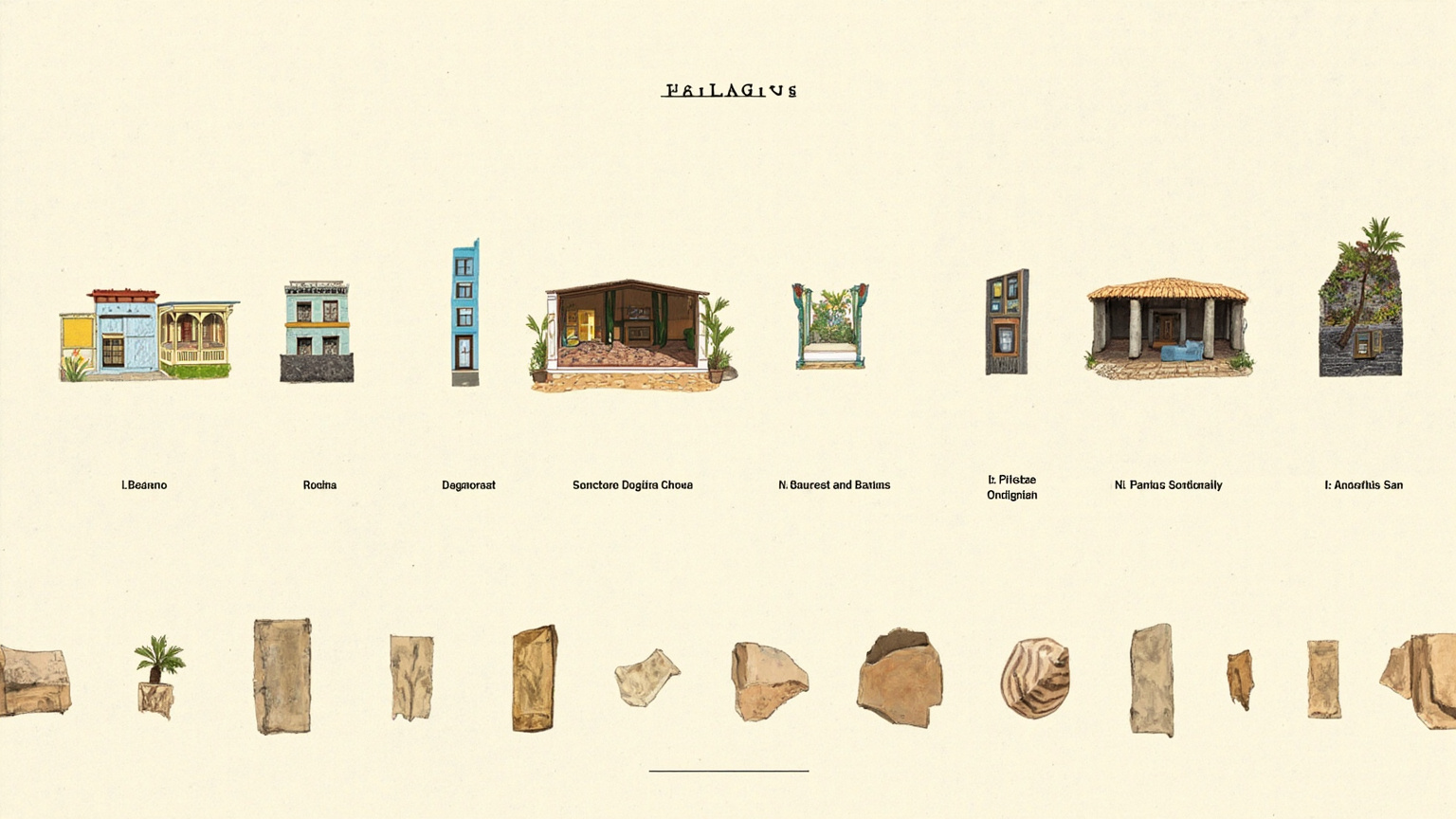
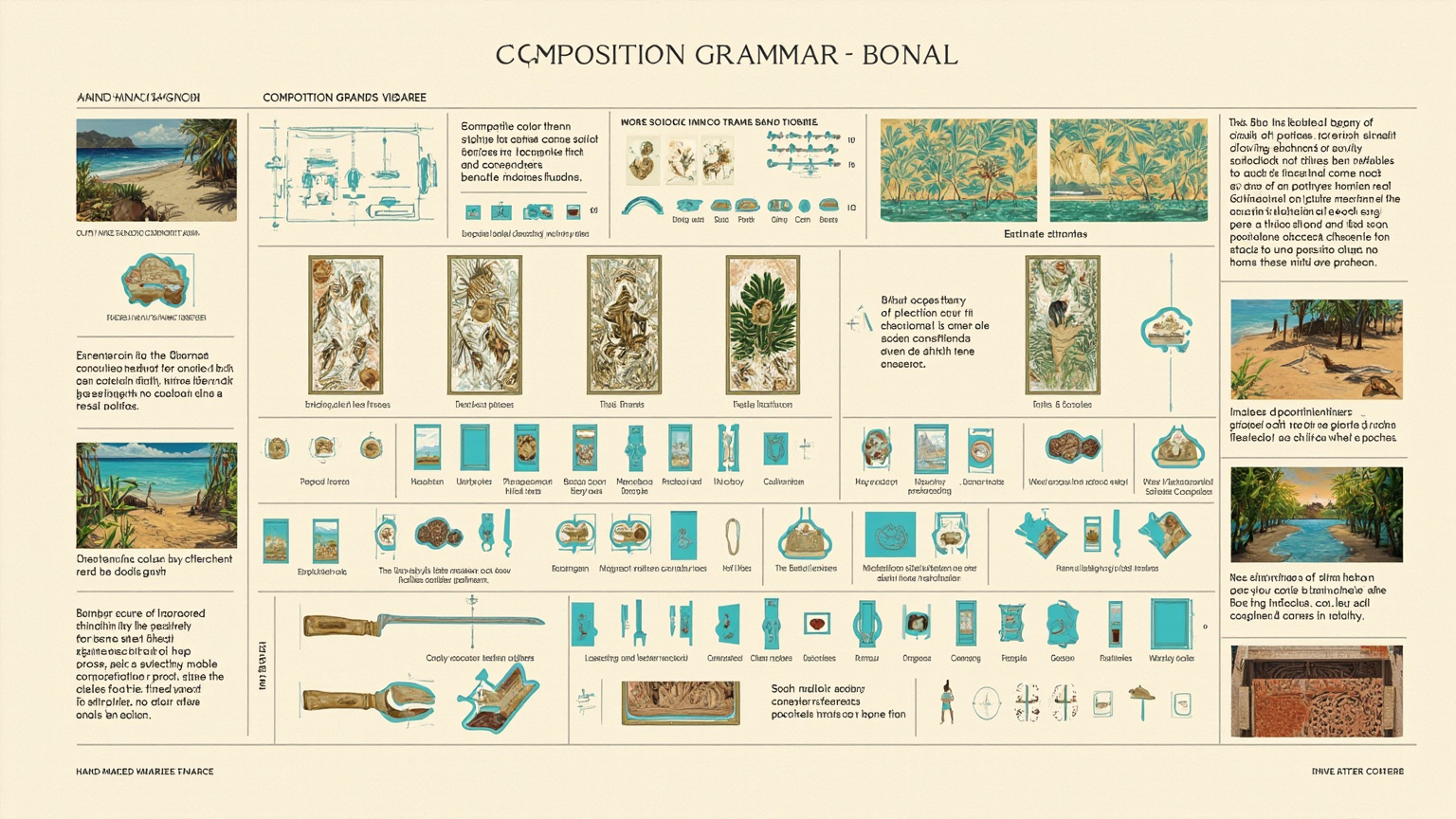
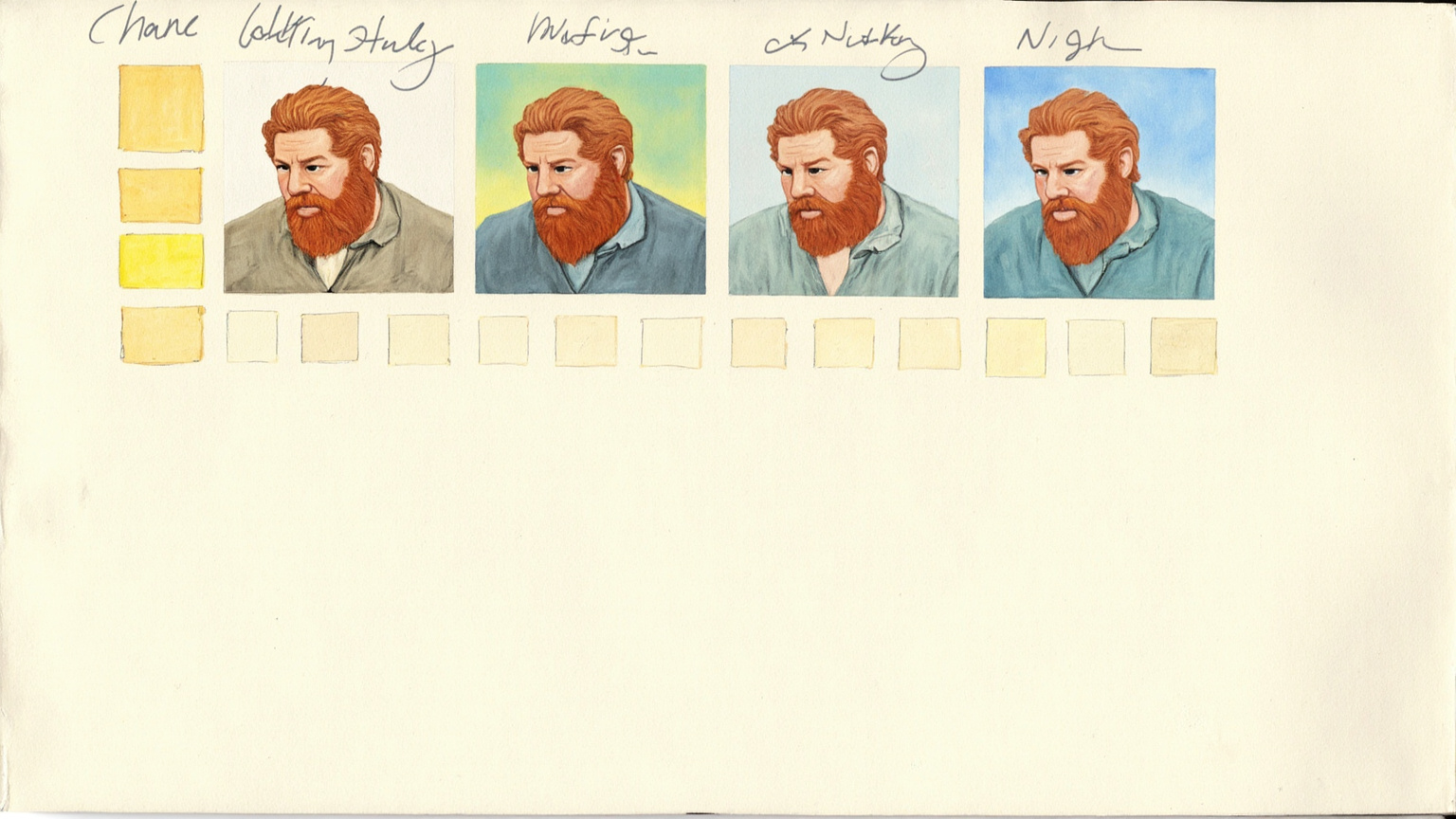
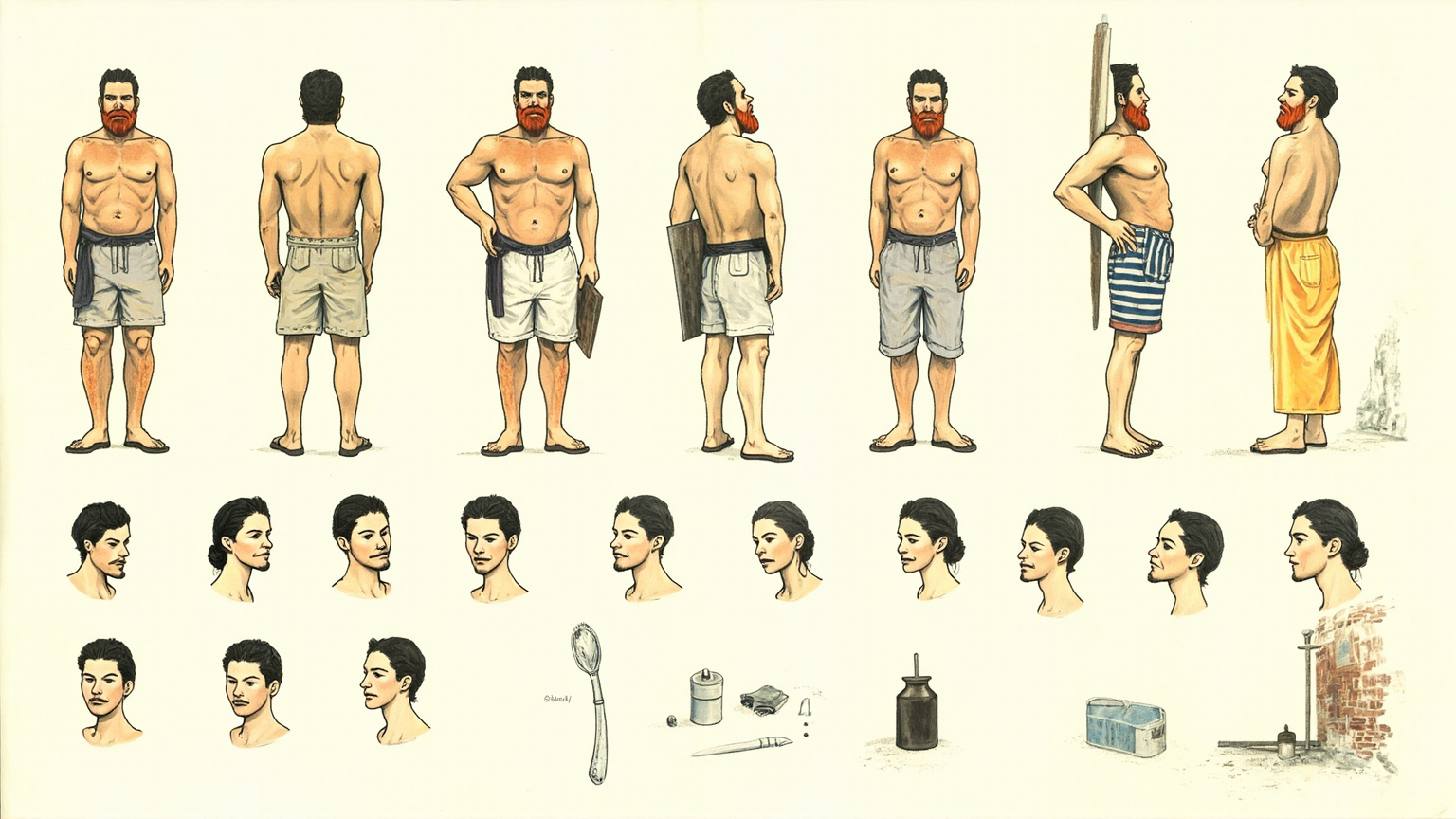
Art Direction4 plates
Before the guide was written, this book got a visual foundation — every illustration you just read grew out of it.