The Peasants · Companion GuideStories · Issue 00
The Peasants in 10 Minutes — A Polish Epic with a Village as Its Hero
The seasons turn, and the fields are the real owners
Text and illustrations produced by the pipeline
ImaReadFolio 02 — 06
Opening: A Wedding in Autumn
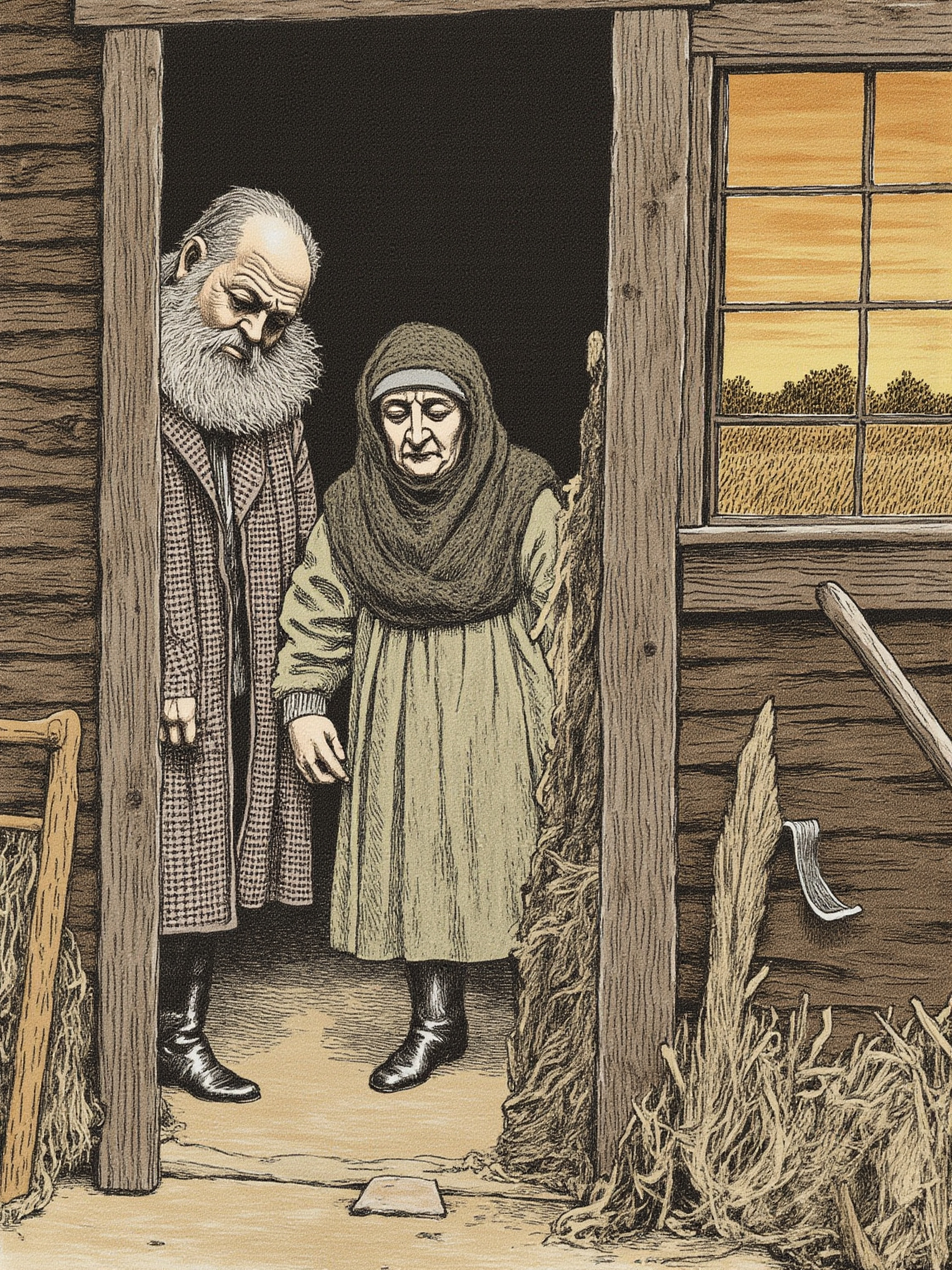
The wedding bells have rung, and old Boryna leads young Jagna into his farmyard. The trouble starts once the guests are gone — this marriage was never just about two people. It is the master switch for land, house, livestock, and a son's inheritance. Under the same roof, Boryna's grown son Antek looks at Jagna differently than his father does, and the village notices. The first autumn's excitement in Lipce is quickly squeezed between two generations.
What Kind of Book This Is
The Peasants is the sprawling novel the Polish writer Władysław Reymont wrote at the turn of the twentieth century, laid out across four volumes — Autumn, Winter, Spring, Summer. Its skeleton is a whole village and a whole farming year, tracking the daily life of an ordinary settlement in Russian-ruled Poland in the late 1800s. The book carried Reymont to the Nobel Prize podium, and in Poland it is still required reading in secondary school, a national novel people keep coming back to.
You could also read it as an epic with the fields themselves as the hero, not the biography of one great man, but a stretch of land and the people who live around it. Reymont keeps the camera low, close to the ground, close to the wheat heads, the furrows, the hoofprints. Reading it feels like opening a village ledger where every page still has mud on it.
Who Is in the Village, and What They Want
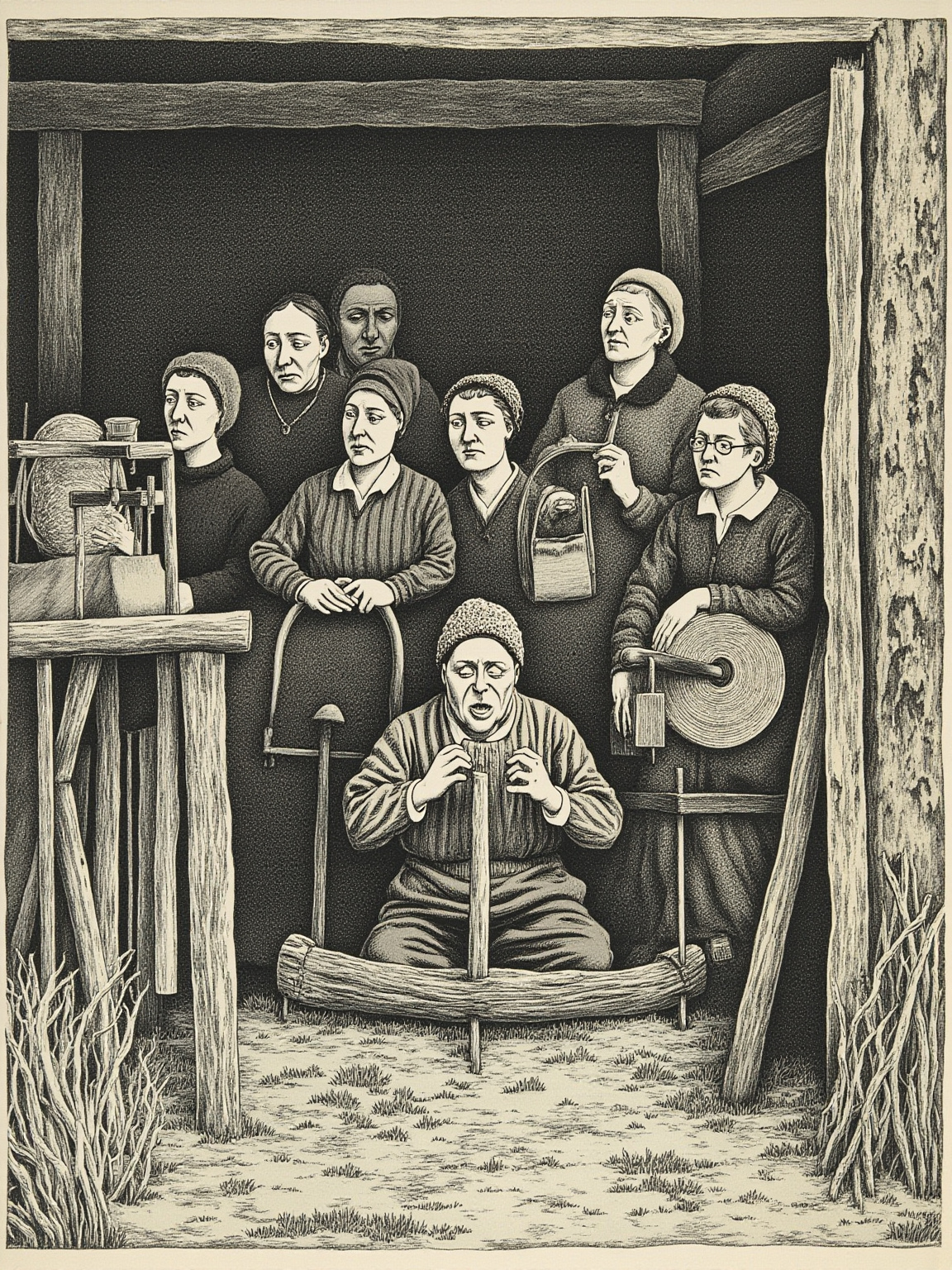
Boryna is one of the village's leading farmers, with plenty of land, strong livestock, and a man who cares how he looks to his neighbors. Marrying Jagna brings another pair of hands into the household and lets him stand a little taller in front of everyone else. Jagna is a young wife who might have settled into an easy life, except she is caught between an old husband and a grown stepson, and there is no side she can take without it costing her. Antek is Boryna's son, a strong worker in his own right, with three things pressing between him and his father: dividing the land, inheriting it, and who actually holds authority. The village's older women, its matriarchs, anchor daily life: spinning flax, cooking, sitting up through the night.
Two forces press down on the village from outside. One is the squire's grip on resources: he holds the great forest in his hand, and villagers need his permission for firewood, timber, and branches to feed their animals. The forest warden is the squire's man sent to guard the woods, and when villagers cross the line to take what they need, he is the one who enforces the rule — the squire's reach runs all the way to the trees at the village edge. The other force is the church's ritual order: the priest and the church verger control weddings, funerals, holidays, and Mass. Together the two forces weave a net, and inside its mesh the villagers breathe, quarrel, resign themselves, and push back.
ImaRead2
ImaReadFolio 03 — 06
ImaReadFolio 04 — 06
ImaReadFolio 05 — 06
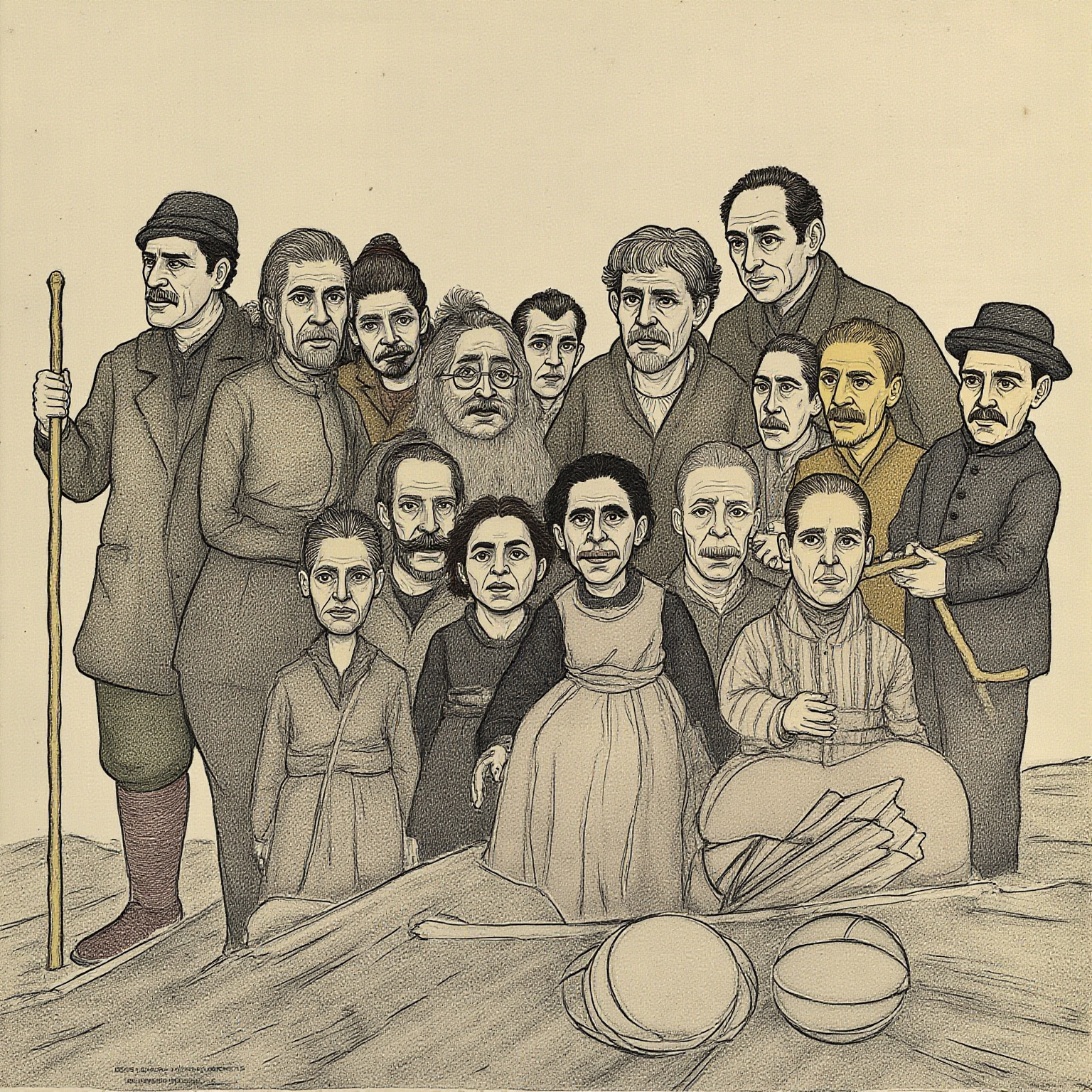
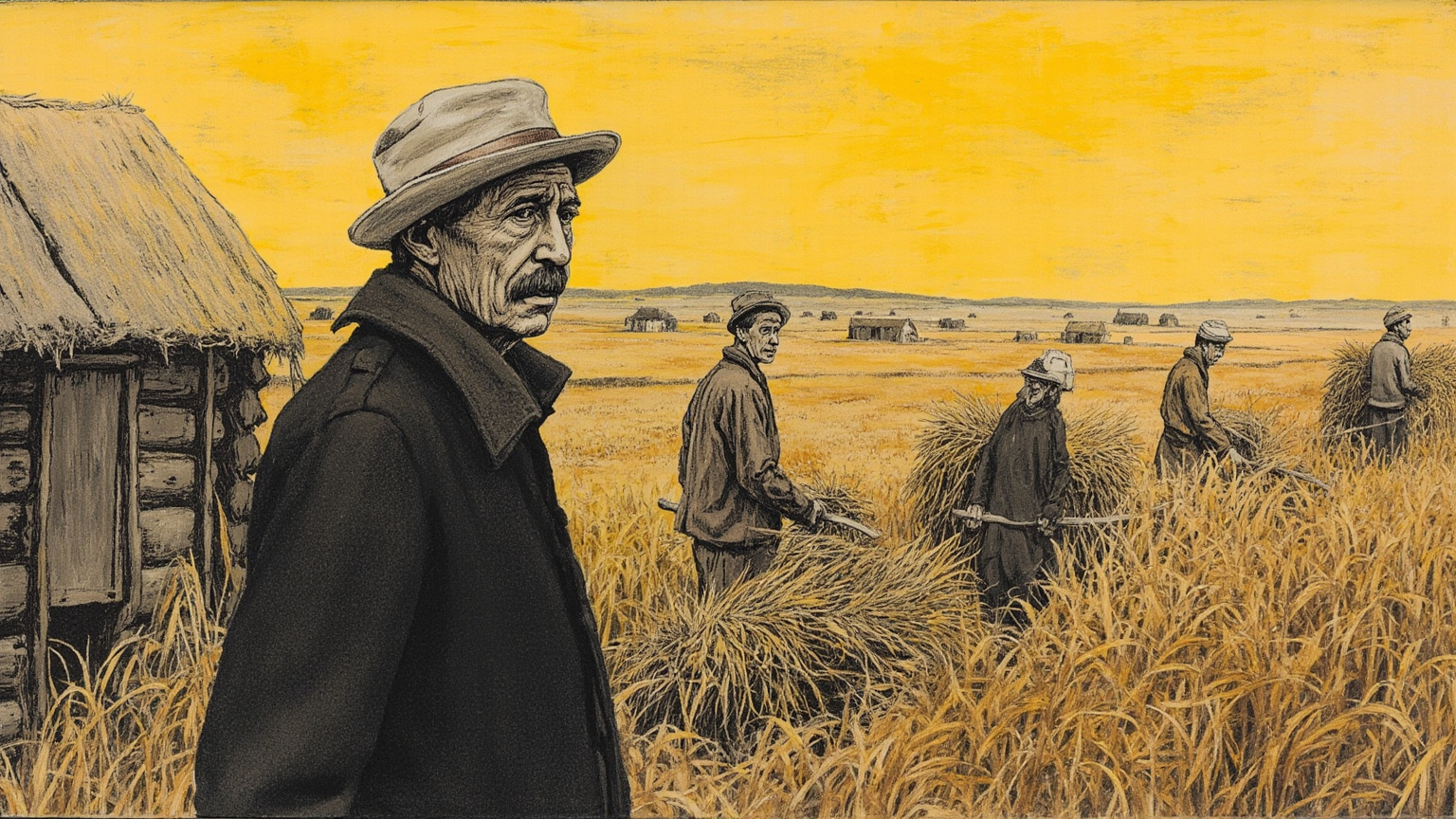
The moment the harvest is in, the grain and money have to be divided, the accounts settled, the lawsuits filed. Debt, inheritance, and litigation arrive like a summer thunderstorm, sudden and impossible to dodge. In the light of a good harvest, every crack in the village shows.
Blood at the Tree Line
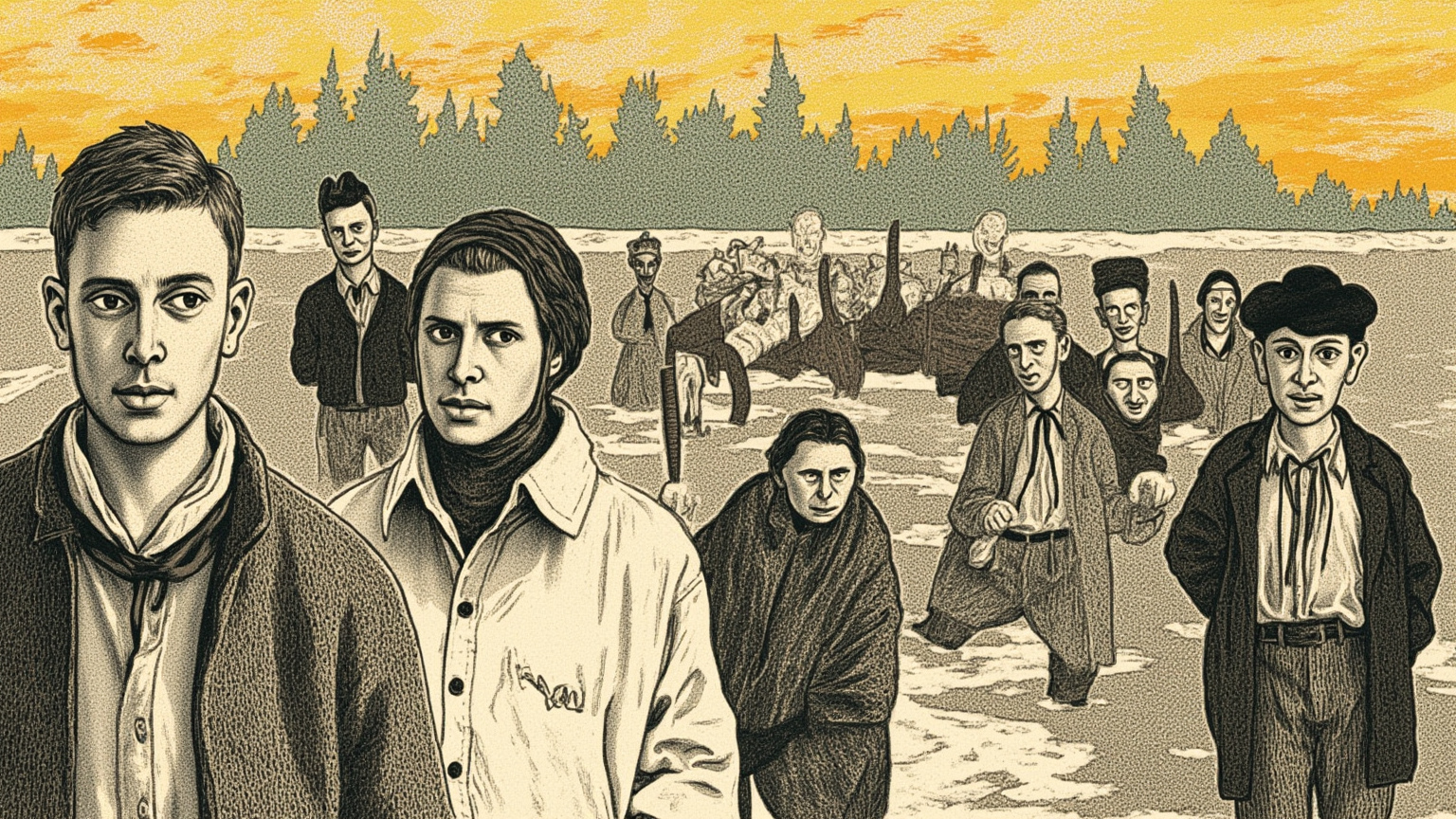
The forest boundary is the rawest nerve between the village and the world outside it. Villagers depend on the woods to get by; the forest warden depends on enforcing orders to keep his own place. When the two sides collide, it starts with fists and clubs, then a knife comes out. In the brawl, someone goes down and does not get up. Reymont holds back on the death itself: he lets it surface again and again in the village's talk, lets it settle into everyone's chest, but he never paints the scene directly for the reader. I stopped short the first time I read this section: the whole book had been about fields, scythes, flax thread, and suddenly a life is torn open.
ImaReadFolio 06 — 06
There are no heroes on this land, only people the seasons push forward — and the seasons never ask if they are willing.
Reading It Today, It Still Holds Up
A reader opening The Peasants today is not looking at a museum specimen of old rural life. What it describes — land deciding people's fates, a community turning on one of its own to find a scapegoat, outside power seeping into daily life — still plays out everywhere, just wearing different clothes. Reymont's honesty is that he never defends the village and never condemns it. He simply records a year of its days and lets readers catch the smell of the mud and the hearth fire for themselves.
Read the Book Itself: What a Guide Cannot Give You
Knowing the plot in advance will not spoil the book for you. What The Peasants really asks its reader to feel is the physical sense of the fields: autumn's ochre and gold, the gray-blue snow of winter nights, the wet green of spring mud, the hard light and gold of summer wheat. Reymont gives the seasons the weight of breathing: you smell the flax thread, hear the crisp sound of the scythe through the wheat, watch the dust from the threshing floor settle on a sweat-damp forehead. None of this survives being summarized. It only takes root in you page by page. Read it, and read it close to the ground.
ImaRead6
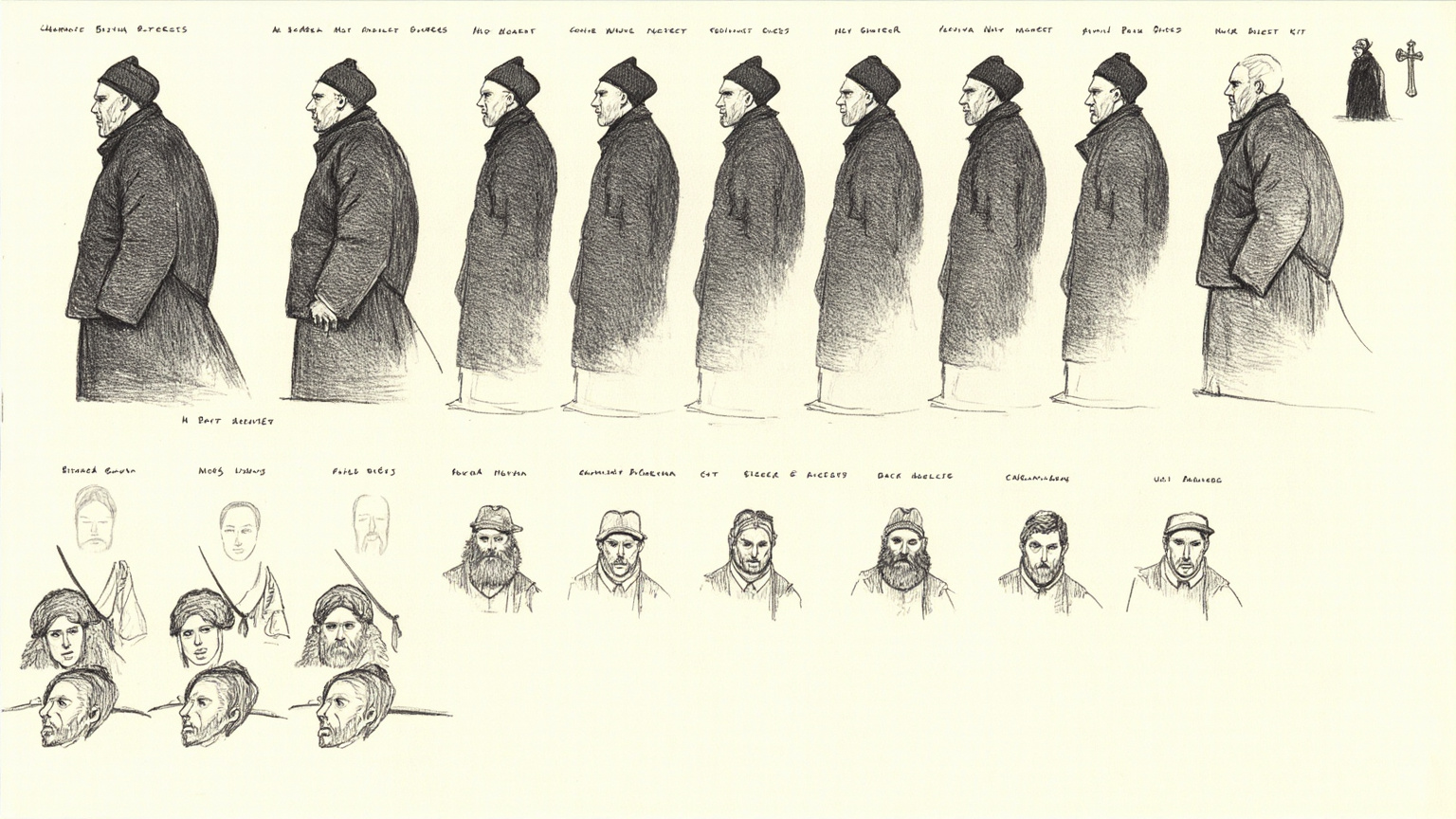
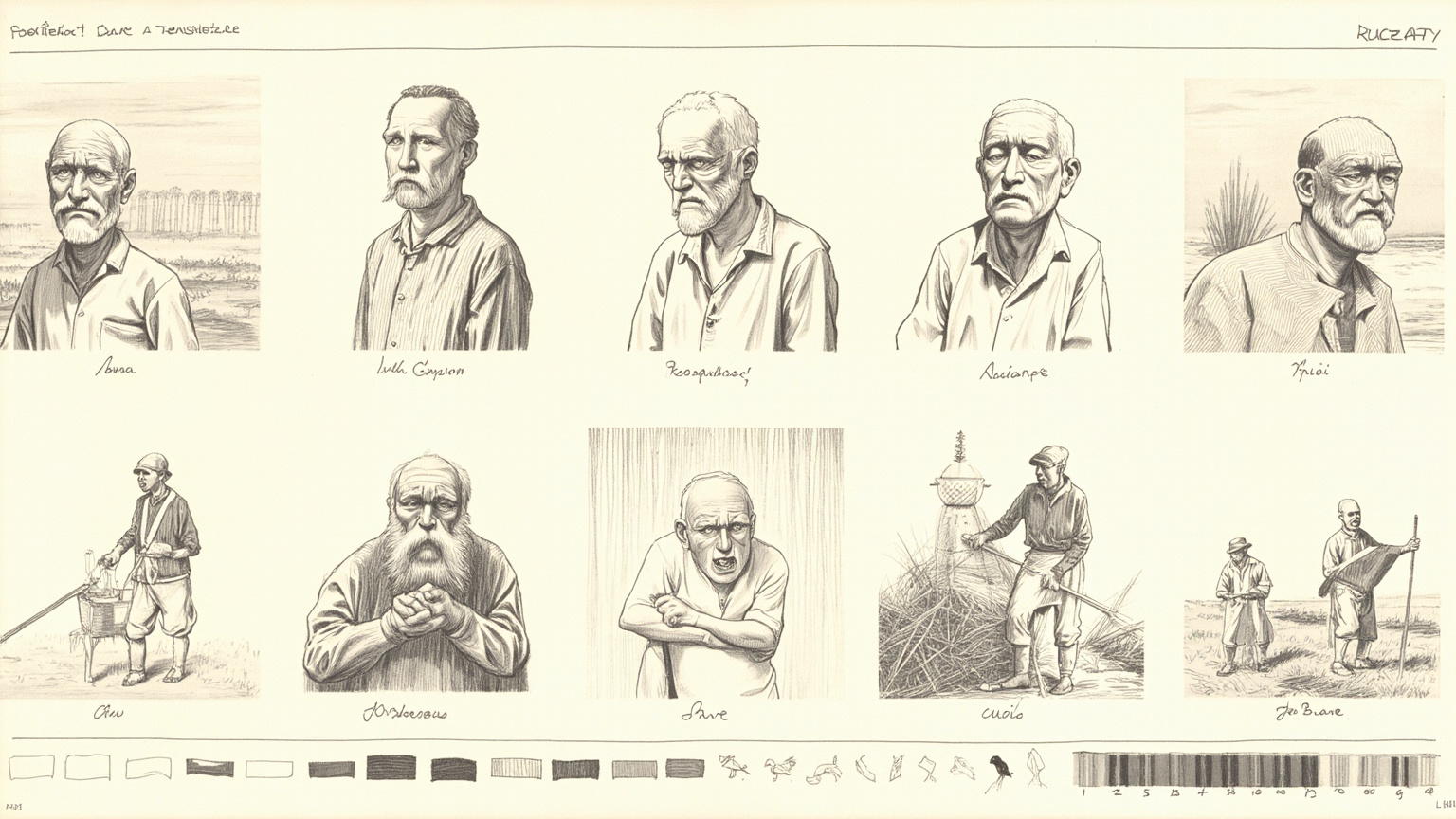
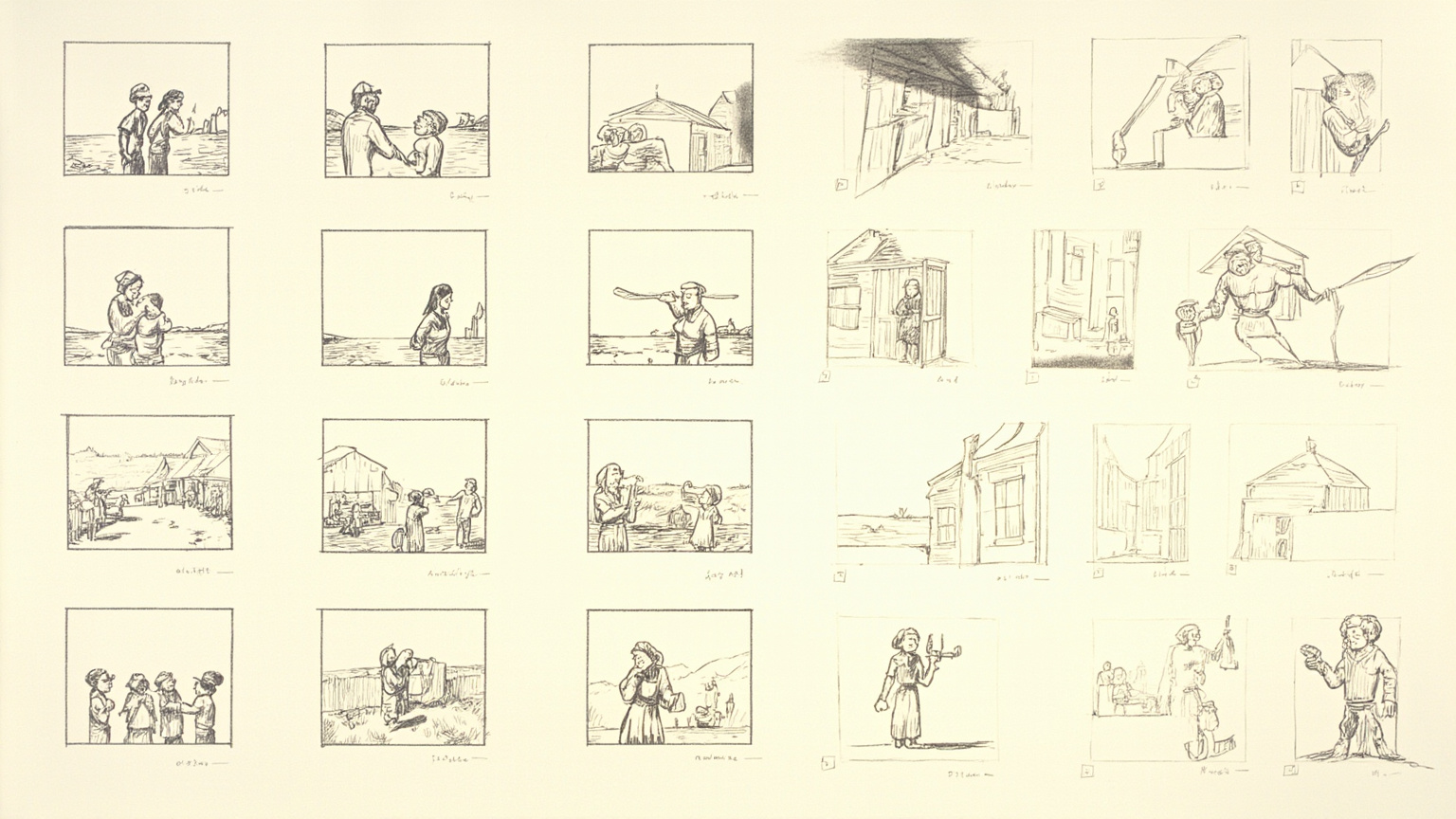
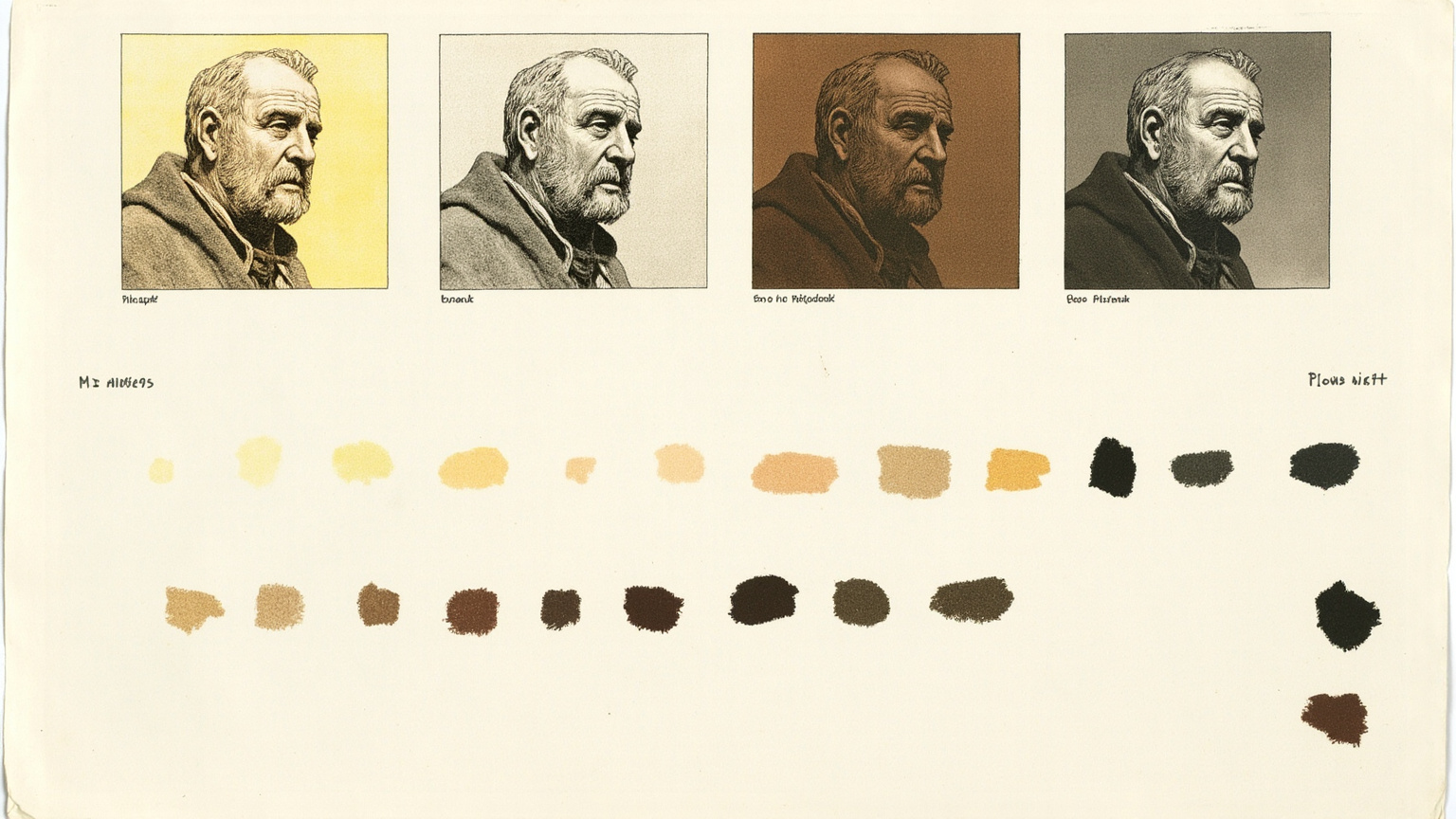
Art Direction4 plates
Before the guide was written, this book got a visual foundation — every illustration you just read grew out of it.