

The Snows of Kilimanjaro · Companion Guide
乞力马扎罗的雪
一条坏掉的腿、一座雪白的山顶、一个再也没机会写完的故事;他在灼热的光里回望自己拖过的一生。
A Dead Leopard on the Mountain
A desiccated leopard corpse lies on the mountain top. No one can say why it climbed so high. That is how the story opens—not with a hero's entrance, not with leopard hunting, but with a dead animal, left in snow that belongs to somewhere else.
The scene is just an opening in the novel, but it is the backbone of the whole piece. Hemingway wedges this riddle at the very start and then leaves it there, letting readers find their own fit: does it resemble someone trapped at a height that isn't theirs, unable to move forward or climb down?
That leopard is not a hunter. It is an ambition that went to the wrong place.
Hemingway and His Coldest Story
Hemingway was born in the late nineteenth century and by his thirties had already written the short stories that made him famous. In 1936, he published "Snows of Kilimanjaro" in Esquire, later included in his first short story collection. It is one of his purest demonstrations of the iceberg theory—the surface is an African safari wait, beneath the water lies an entire iceberg made of ambition, love, laziness, and death. Hemingway liked to hide ninety percent of his content underwater, leaving readers only the bare bones.
Under the Acacia, a Broken Leg
The camera cuts to the African highlands. The writer Harry lies on a camp bed, his right leg wrapped in dirty bandages, his toes already black. A few days earlier he walked through a patch of thorns and got a gash on his calf; he thought nothing of it. Gangrene crept in quietly. He and his wife Helen were supposed to fly to higher hunting grounds in a small plane, but now they cannot go anywhere, stuck in camp waiting for a rescue plane that may never come. The brutal noon light nails the umbrella-shaped shadows of acacia trees to the grass, and the snow-capped western peak of Kilimanjaro glares white in the distance.
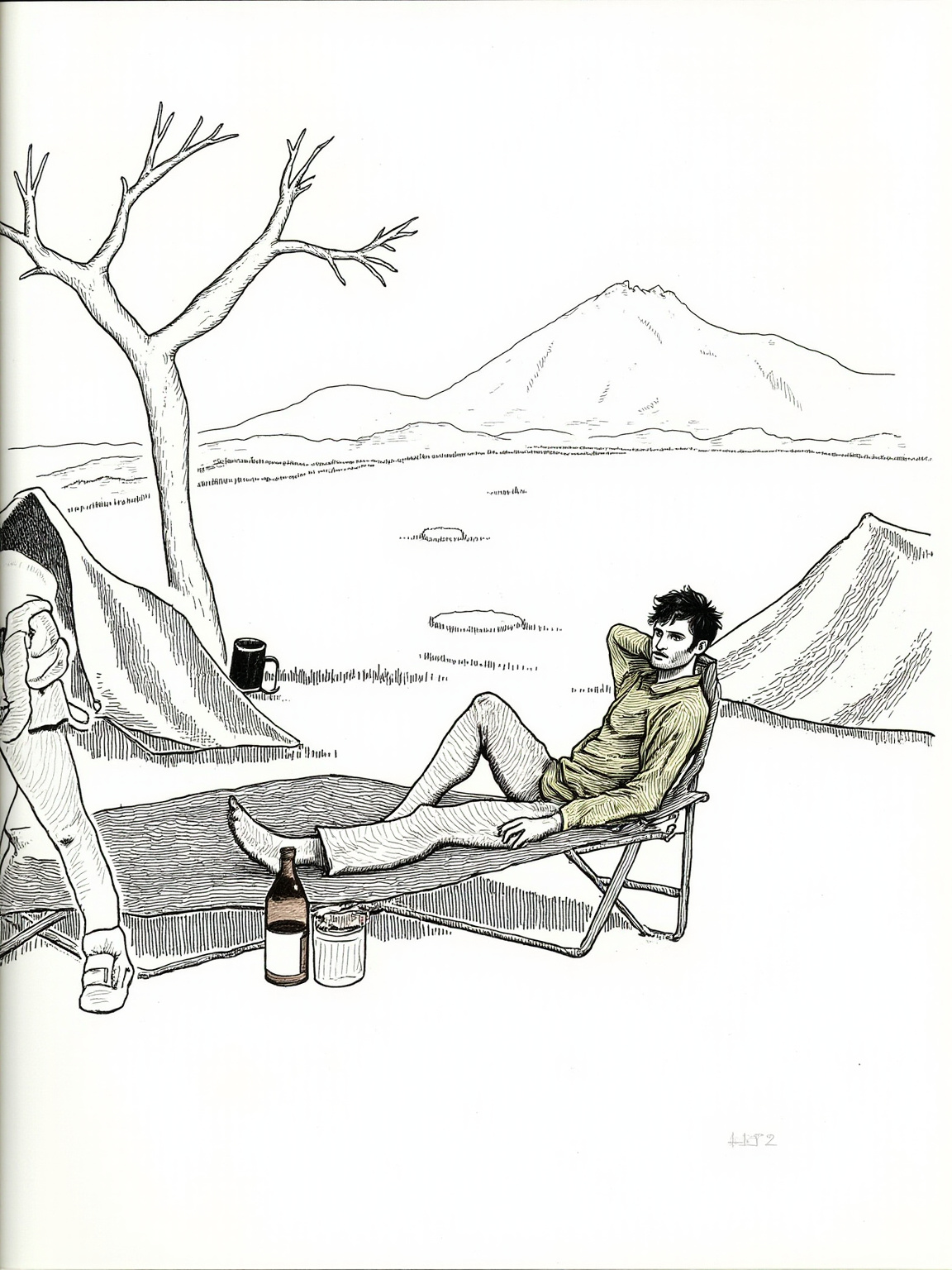
He lay on his back on the cot and looked out through the open tent at the shadow of the acacia tree.
他仰躺在帆布床上,透过敞开的帐篷,望着金合欢树的影子。
金句 · 乞力马扎罗的雪 · 营地病床
Helen was right there. She'd left the comfortable life in Paris to hunt with him, a wealthy man's wife now tending a man whose temper grew worse by the day. She never uttered a pretty word—when a doctor was needed, she found one; when a pilot needed contacting, she contacted one; she ran her legs off more than Moro, the native guide around camp. Moro duly moved some folding chairs from under the shade so Harry could tilt his neck and watch the vultures circling overhead.
He snapped at her, then snapped at himself.
But Harry kept stabbing at her without a moment's pause. She had money, and he turned that comfort into the culprit for his inability to write—it was her money that let him live without worrying about bread, that had dulled him. One moment he groveled with apologies, the next he lashed out with a cutting remark. Whiskey from morning to night, empty bottles lined up one after another beside his canvas bed.
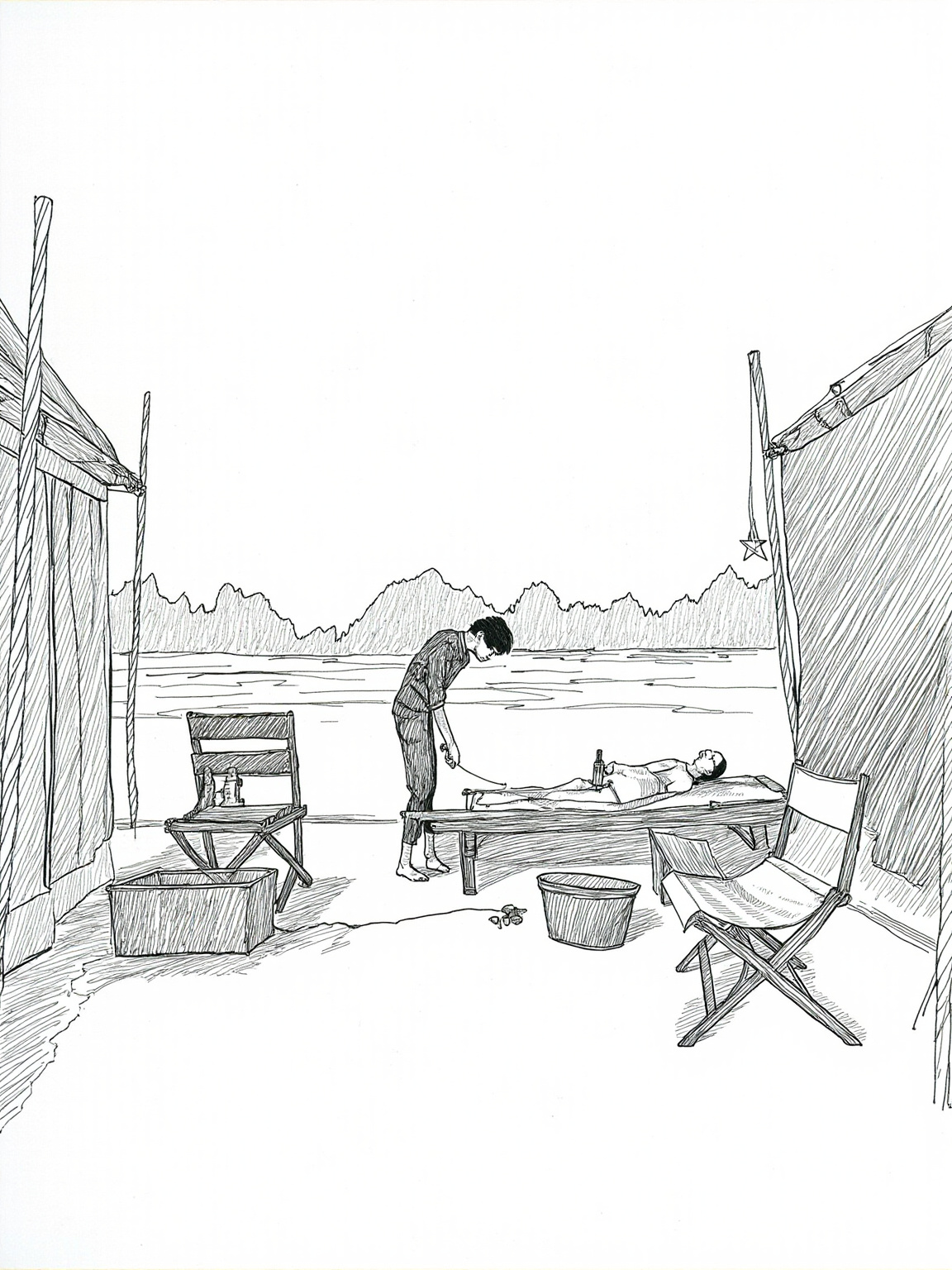
It was his own fault that he was dying, and he knew it.
他之所以死在这里,是自己作的孽,他心里清楚。
金句 · 乞力马扎罗的雪 · 与海伦的对话
That remark hit the mark hardest. Harry knew it wasn't Helen he resented—it was himself. The poor boy from Paris had clawed his way up with a pen, but once life got easy, he kept postponing what he needed to write. The gangrene made the decision for him: it wasn't about laziness anymore, it was too late. Helen didn't respond to a single word. She just watched the bottle of morphine and bandages in her hands, afraid he wouldn't bear the pain.
What surfaced in his mind were all the debts he owed.
The real main act started here. Harry burned with fever, then chilled, his mind scalded again and again by boiling water—the stories he should have written but never did came tumbling out of his head, one after another. They didn't come in chronological order; they were shaken loose piece by piece by the gangrene's pain and the whiskey's heat.
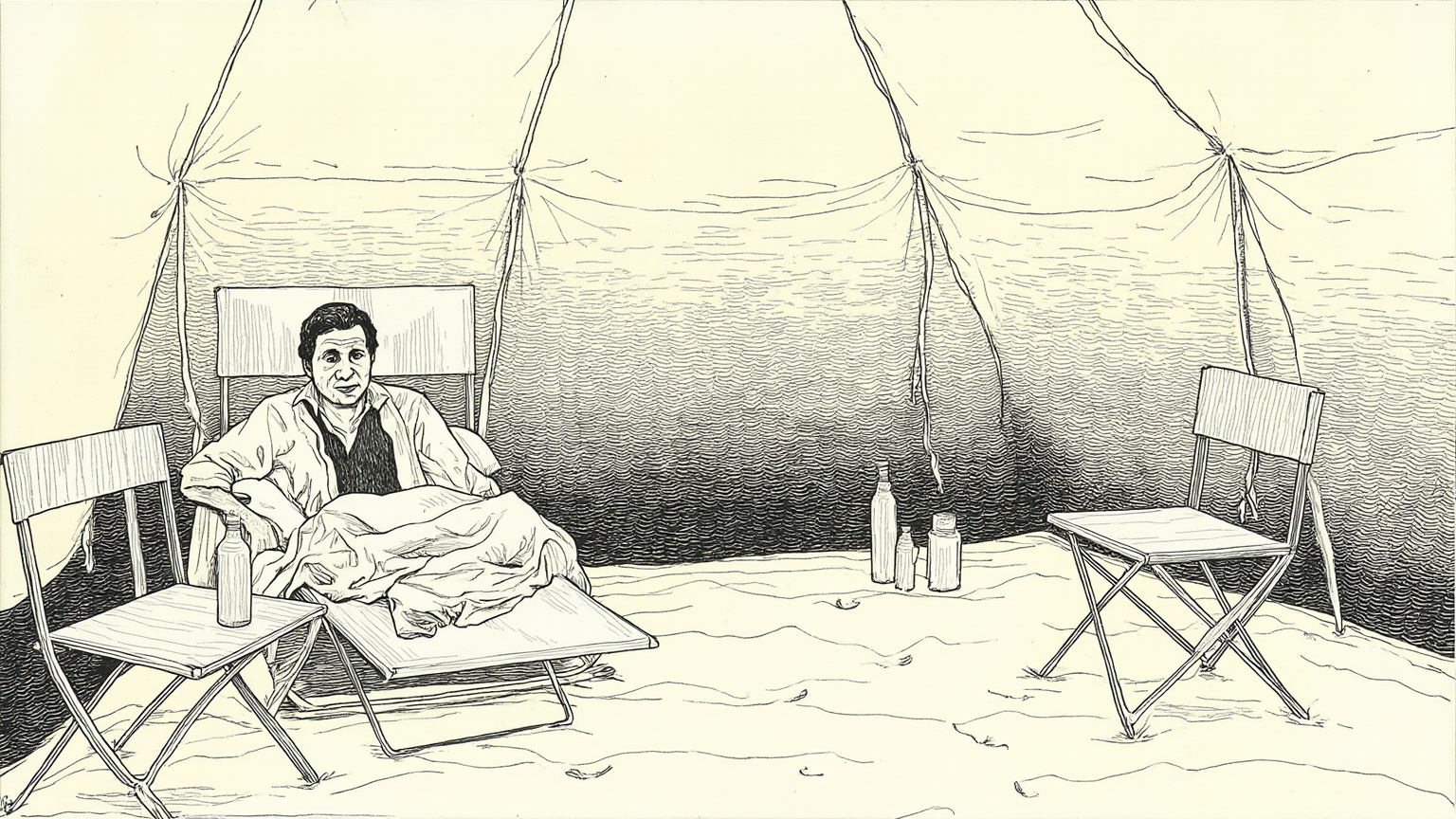
He remembered the things he had stored up against writing them, and he could not write them now.
那些他攒在心里、预备将来动笔的故事,如今再也写不出来了。
金句 · 乞力马扎罗的雪 · 回忆的开端
A Paris winter, the garret so cold they could only warm themselves by the typewriter, he and his first wife starving and holding on—he'd meant to write a long novel there, wrote three pages and stopped. A chaotic night in Constantinople, he and a bunch of drunks sneaking into a brothel, the girls there could have been worth writing about, but he only drew a few checkmarks in his notebook. The Alps, a snowed-in cabin, he nearly killed someone with a fellow traveler over a pot of wine, and he buried that quarrel in his stomach too.
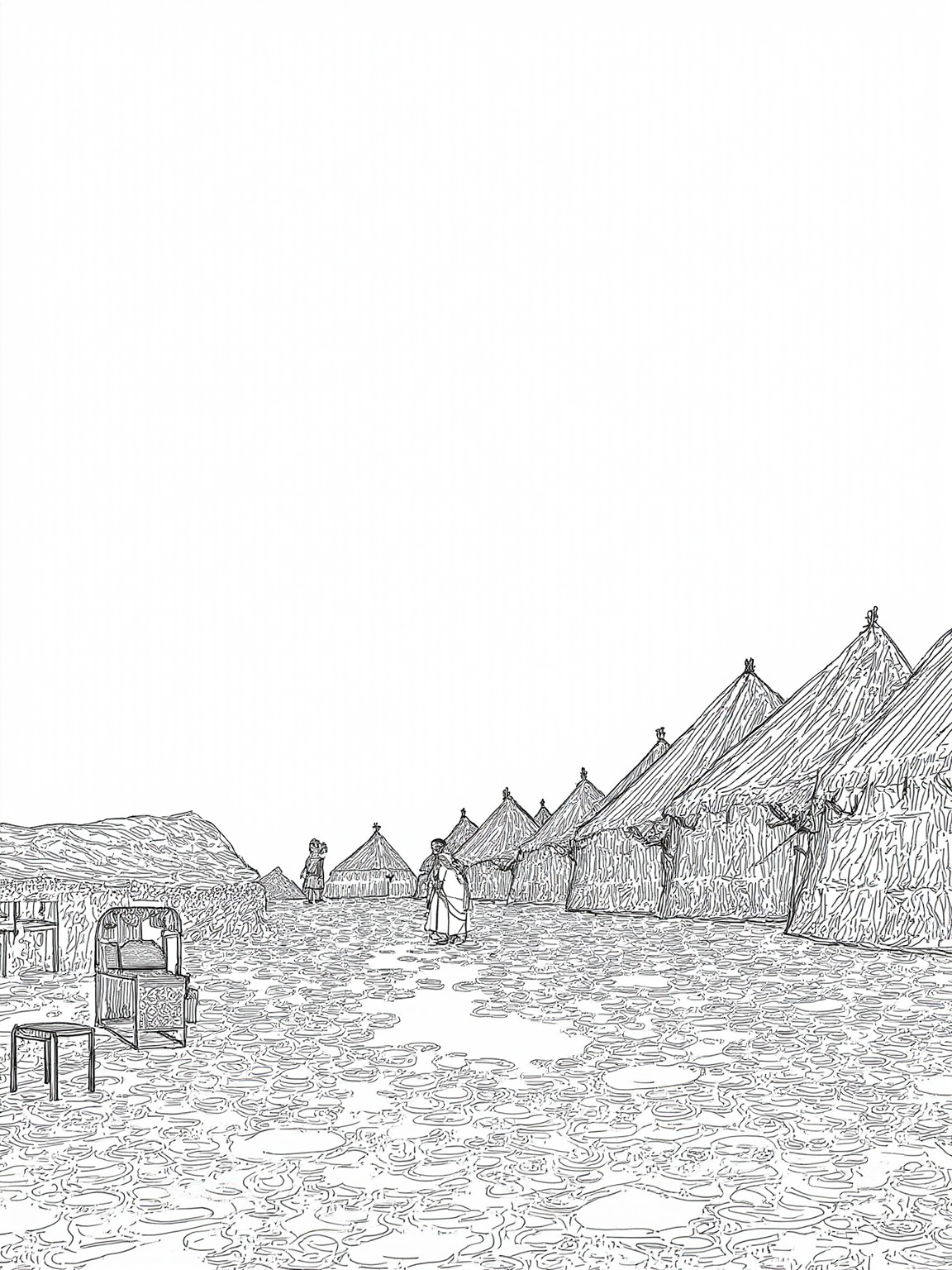
Now he would never write the things he had saved to write until he knew enough to write them well.
他本打算等自己懂得够了再落笔,如今却永远写不成了。
金句 · 乞力马扎罗的雪 · 巴黎与滑雪的回想
These fragments, stitched together, make up a man's literary self-portrait—once he could write anything, now he can only lie in the shade and watch his leg rot inch by inch. Hemingway cuts these flashbacks into segments with severely restrained short sentences; readers can only join the seams themselves between the fragments.
Vultures, Hyenas, the Snow-Topped Peak
Vultures circled overhead at the camp. Harry had Molo bring the folding chair out of the shade — he wanted to watch those circling shadows clearly, and he knew exactly what he was waiting for. Hemingway writes this grassland with extreme restraint — no howling, no struggling, just the hard midday light, animals dying in the distance, men dying under the trees. At night, the occasional sound of hyenas came from outside the tent, and each time Helen heard it, she pulled the blanket tighter over Harry's shoulders.
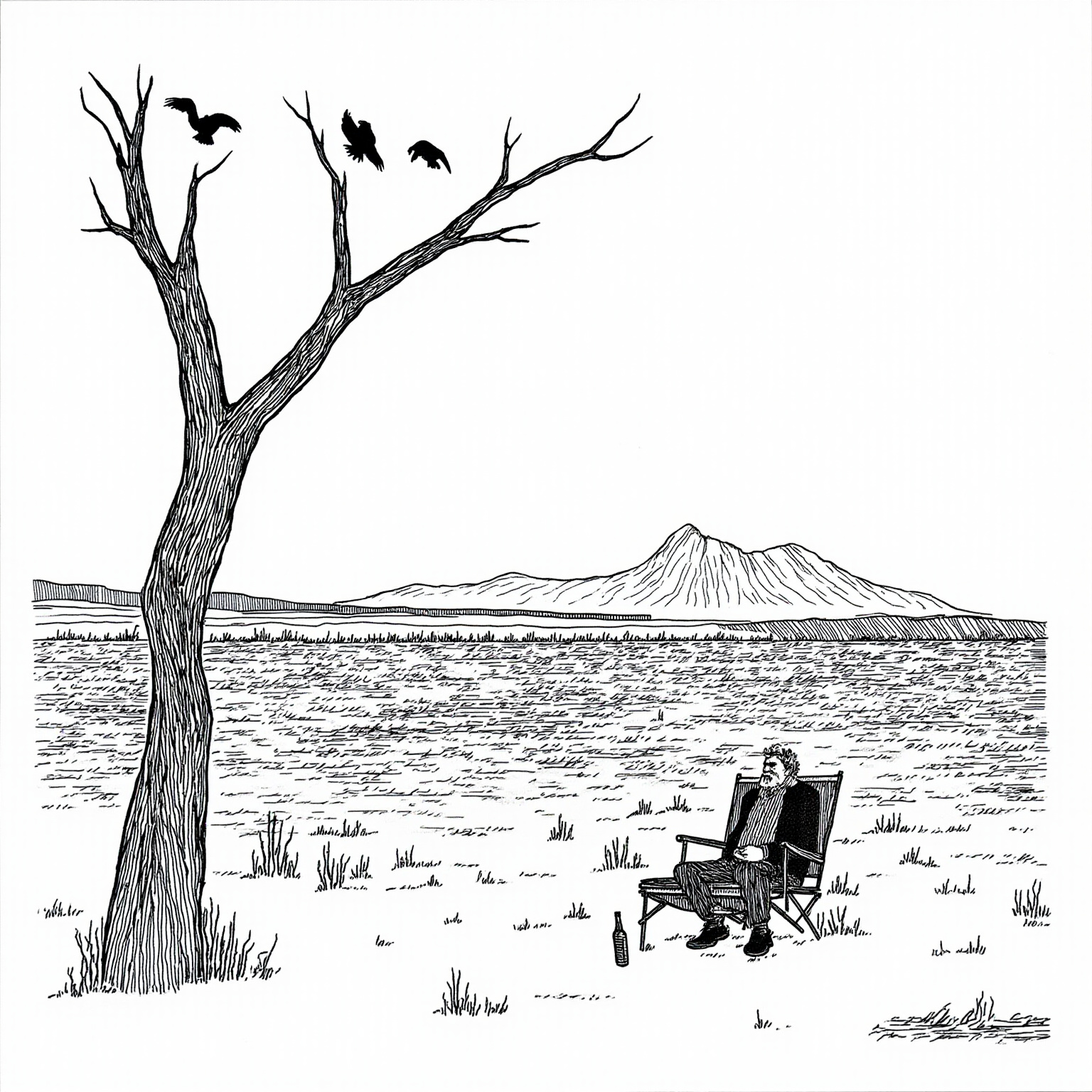
Three of the vultures were sitting on the tops of the trees now, and they were quite still.
三只秃鹫落在树梢上,一动不动。
金句 · 乞力马扎罗的雪 · 正午的草原
The Hallucination of Flying Toward "God's House"
Toward the end, Hemingway has Harry make a long dream. He hears the airplane engine growing closer — Compton, the pilot he knows, really has come. The stretcher is lifted, he's loaded onto that old Cessna, the fuselage turns and the nose points directly toward the snow-covered western peak of Kilimanjaro. The Maasai call that snow "God's House," a name meaning "the abode of God."
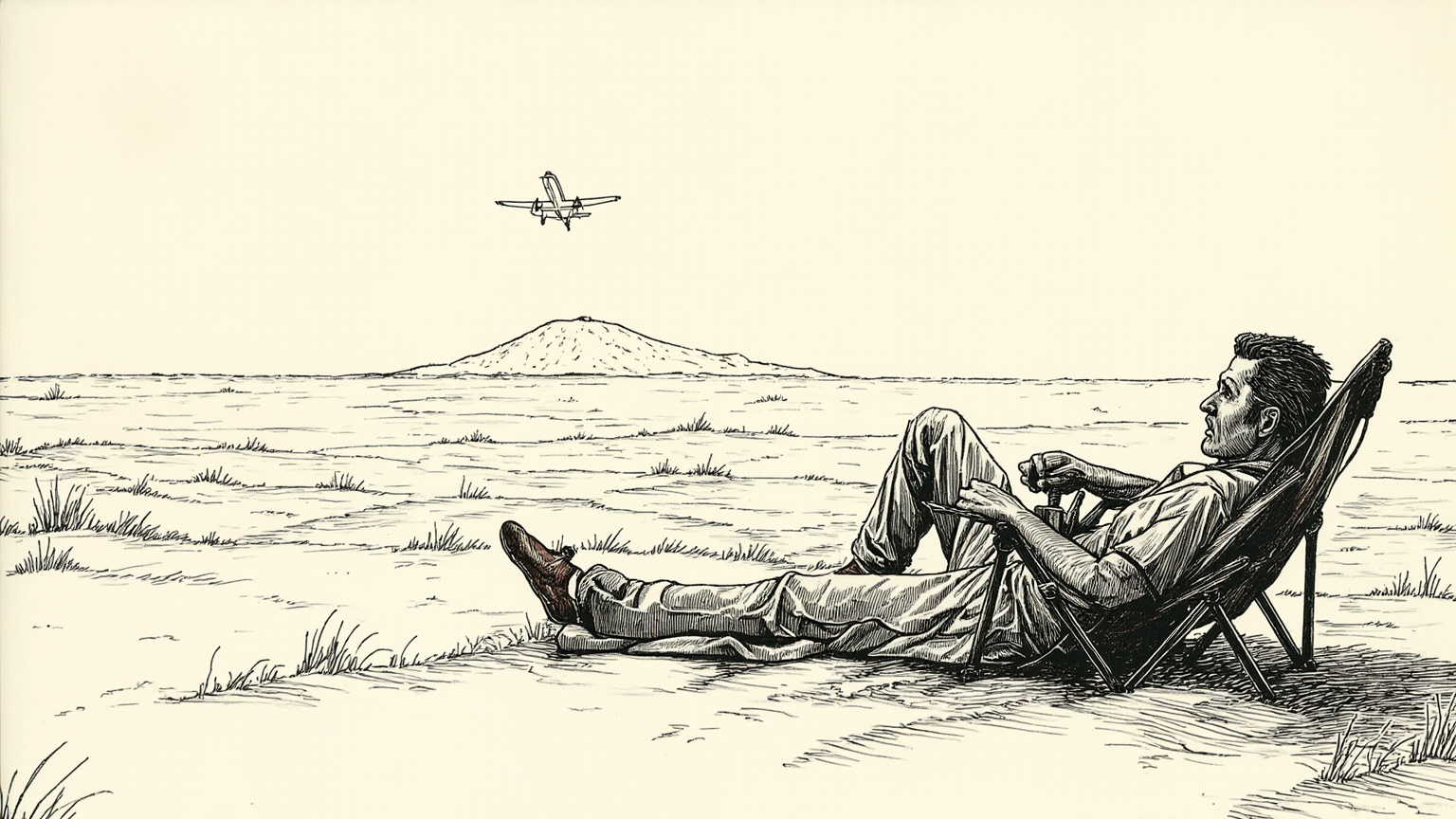
He saw it now, the whole of Kilimanjaro, and it was like the whole world at once, and he could see it all.
他这时看见了乞力马扎罗的全貌,仿佛整个世界同时摊开,他看得一清二楚。
金句 · 乞力马扎罗的雪 · 飞向雪顶的幻觉
The image is pretty as a commercial. The snow-topped peak glows blue in the sunlight, the mountain body so wide it seems like the whole world spread out below. In the novel, Hemingway lets Harry complete the stretch he could never have walked himself — not climbing up, but flying over. He lets a man who couldn't even turn over on his canvas cot finally leave the ground in this weightless way.
The One Who Truly Wakes Up Is Helen
The story ends with Helen. At night, a hyena was calling outside the tent, the sound short and fragmented. She woke with a start, reached out to touch Harry's face and chest. Harry was already cold. Her cry was swallowed by the heavy night air.
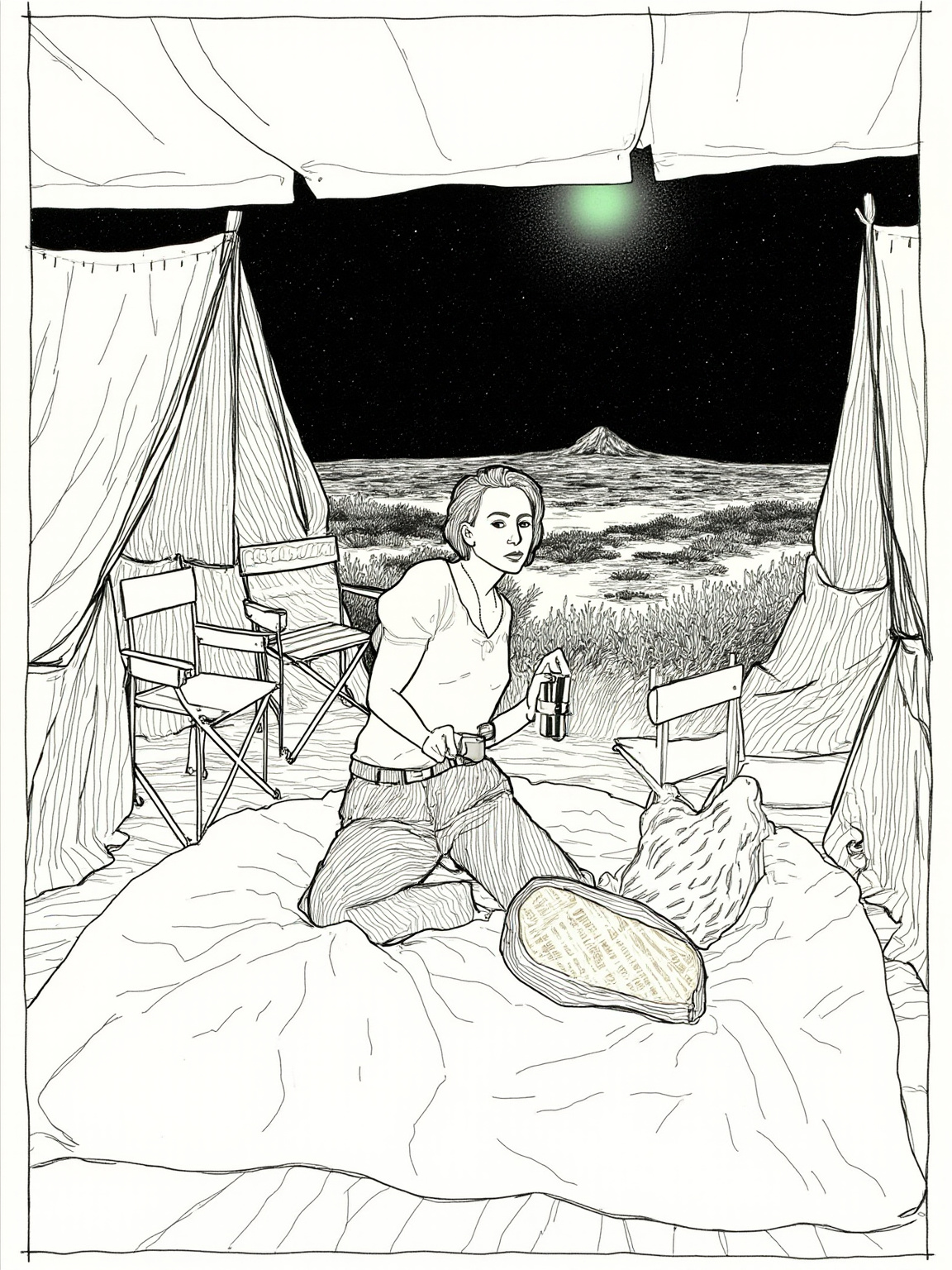
The rescue plane never came. The snow peak was never reached. The plane that was carrying him toward "God's House" was something he invented after the fever burned through him. The last sentence of the whole story is short, flat as a marker on a road — but what it means is: a man who could have written good things, just gone. Helen was never the perpetrator, she was simply the one who witnessed his final hours.
Why Hemingway Wrote It So Cold
Hemingway's greatest skill is "not writing it out." The smell of gangrene, the screams of pain, Helen's fear — he never faces any of it directly. He writes only a glass bottle, the canvas edge of a tent flapping in the heat, a vulture slowly circling in the glare, a dog's eyes glowing green in the night grass. The iceberg shows just one tip above water. The rest you have to dive for yourself.
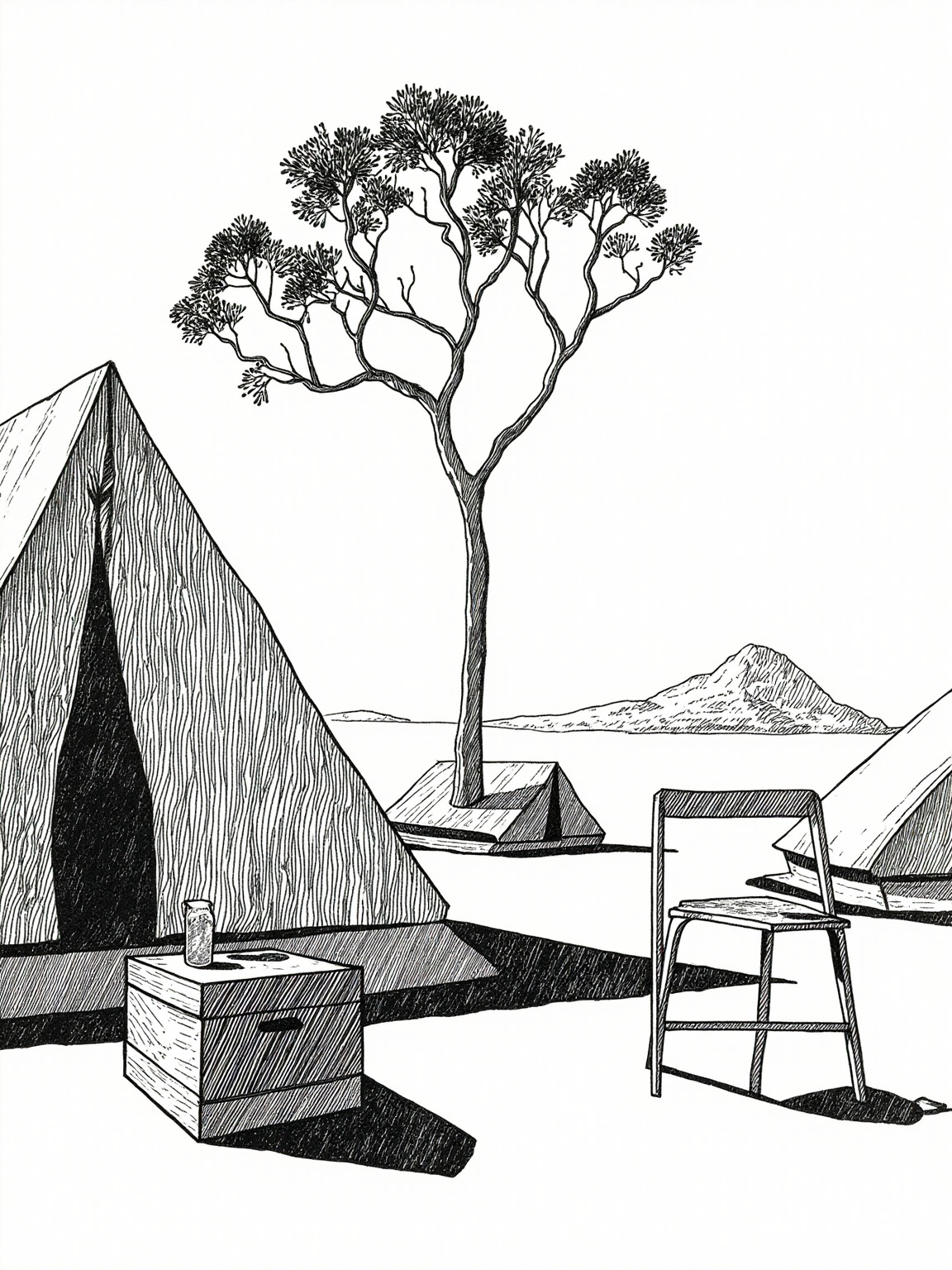
The leopard's mystery, he never answers. You can read it as a mockery of ambition, as mourning for the artist's loneliness, or as: a living thing that insists on going somewhere it cannot survive. Hemingway offers no conclusion. He leaves the symbol there and lets it grow on its own.
Knowing the ending, why still read
By this point in the story, the map is complete. But the real power of Hemingway's novella lies not in what you know — it lies in the reading itself, that feeling of being slowly roasted by the scorching light, the way one sentence hasn't landed before the next one pulls out the floor beneath you. Going back after knowing the ending, those seemingly throwaway dialogues cut deeper, the vultures and hyenas carry more weight, and even the leopard that died in the snow at the beginning will tighten your throat.
This is what no explanation can give you — how water freezes into an iceberg, you have to stand under that tree yourself to see.
Art Direction4 plates
Before the guide was written, this book got a visual foundation — every illustration you just read grew out of it.


