The Souls of Black Folk · Companion Guide
黑人的灵魂
一道面纱隔出两个灵魂,一位被夹的美国黑人,如何在田间与讲堂之间锻造属于自己的精神远征。
Opening Hook
A battered alphabet card, held up high. The Black children in Sunday school stare at it as if it were a road leading somewhere far away. Outside the window lie the cotton fields of Georgia; inside the door, a dim cabin — and simply learning to read already carries the weight of defiance. What Du Bois is really asking is where that road leads: how does a Black American keep from losing himself on either side of the line color draws?
This Is a Book That Turns a Crisis of Identity into a Spiritual Expedition
The Souls of Black Folk was published in 1903, written by W. E. B. Du Bois. It is a collection of essays, and also something stranger: part spiritual quest, part collective autobiography, part sociological survey, part historical argument, all fused into one text. It is remembered because of two terms it coined, double consciousness and the veil, which have since become impossible to avoid in any English-language conversation about racial identity. Du Bois does more than describe the condition of Black Americans — he sets out to show that a people shut out by the dominant society can still see themselves whole, and has every right to tell its own history.
The style resists classification too. Aphoristic pronouncements, fragments of history, sociological analysis, character sketches, and the melodies of spirituals are all crowded into the same book, like a conversation moving back and forth between field, classroom, and church. One moment the reader follows the narrator into the cotton fields; the next, hears him forging concepts at a university lectern; by the final chapter, the spirituals sound as an echo for the whole book.
Characters and World
Du Bois himself is the Northern-trained scholar who runs through the whole book. Highly educated and driven by a reformer's conviction, he arrives in rural Georgia and later teaches sociology and history at Atlanta University. He is neither a distant observer nor someone who speaks only from racial feeling. He moves through classrooms, cotton fields, Sunday schools, and country churches, layering scholarly training over lived, firsthand experience.
The tenant-farming families of the countryside bear the double dispossession of the plantation economy and segregation, yet still guard their spiritual life in church and Sunday school. The students at Atlanta University come from those same tenant-farming families or from the homes of small-town preachers, working their way in on scholarships and part-time labor to study the classics, sociology, and history. Black country preachers and church elders lead worship, baptisms, weddings, and funerals, and keep the spirituals alive. Judges, plantation owners, shopkeepers, and newspaper publishers make up a more distant cast, the institutional powers who hold their grip through ledgers, ballot boxes, prisons, and the street.
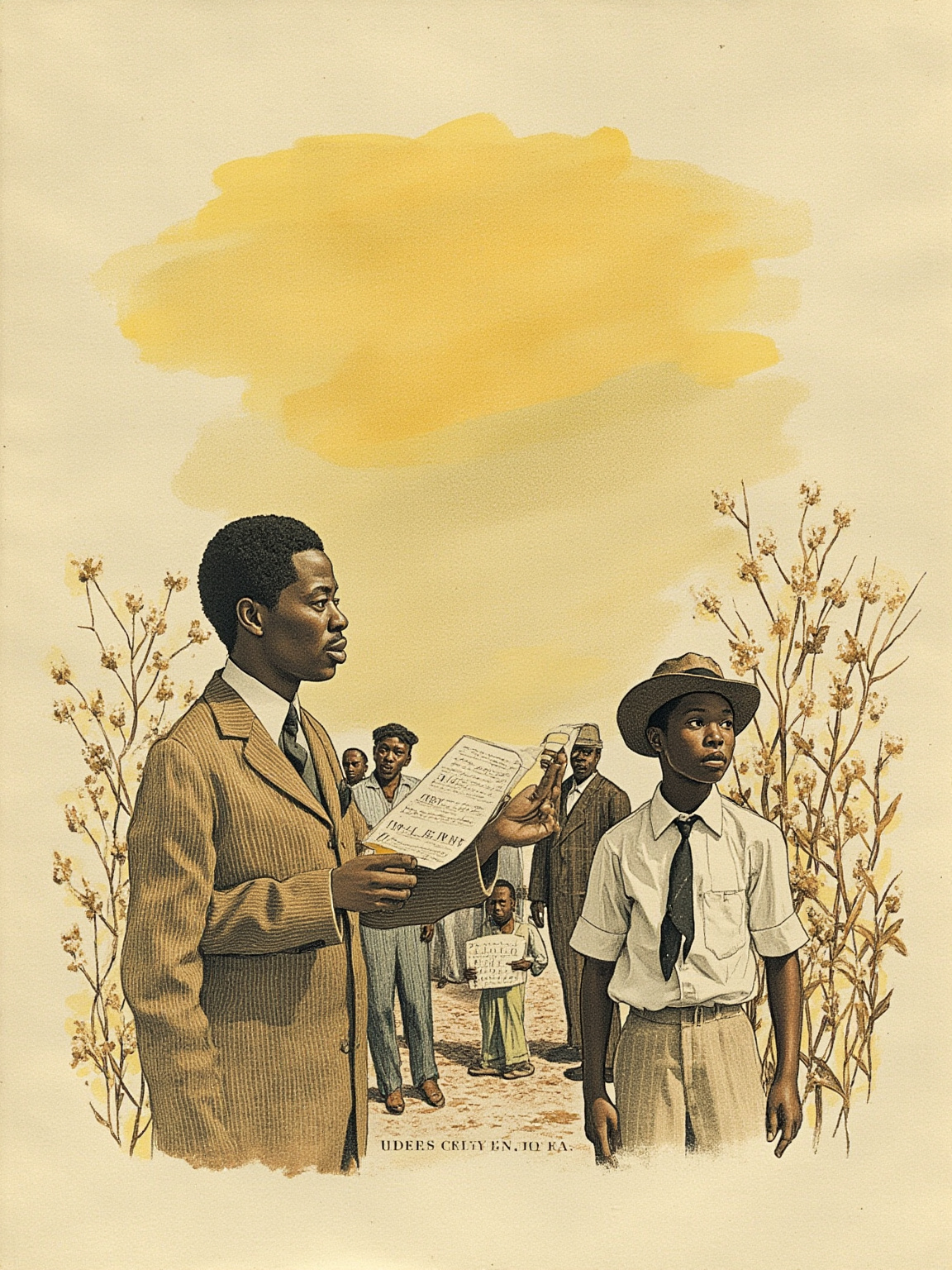
One ever feels his two-ness,—an American, a Negro; two souls, two thoughts, two unreconciled strivings; two warring ideals in one dark body, whose dogged strength alone keeps it from being torn asunder.
一个人永远感到自己的一分为二——既是美国人,又是黑人;两个灵魂,两种思想,两股不可调和的角力;在同一个黝黑的身体里,两种互相对立的理想彼此撕扯,只靠那坚韧不拔的毅力,才勉强没有把它撕裂开来。
金句 · 第3章 · 论黑人的灵魂
Double consciousness, here, is not a mental illness, and it does not split a person into two halves. It names the condition of an African American holding two identities, two loyalties, two vantage points on the world at once: he belongs to America, yet is shut out behind the veil by America's racial order; he belongs to a Black people, yet must still fight for full citizenship within American society.
Prologue: Seeing Yourself on Both Sides of the Veil
Du Bois opens by speaking of his own identity. He is both a Black American citizen and a member of a Black people. Both identities exist at once, and they pull against each other. The issue is not that he fails to see one side or the other — it is that he is forced to keep looking back and forth between them. The dominant society defines him by the color of his skin; his people's history keeps him from shrinking himself into an abstract American citizen. The veil is therefore not only a barrier, but a particular vantage point from which to see.
Du Bois calls this act of writing a spiritual expedition in search of where the soul belongs. The opening is restrained, but it sets the book's true scale: one man's search for self-recognition is bound up with the historical fate of an entire people.
The Georgia Fields: Beyond the Ledger, There Are Children
It is only after coming south to teach in rural Georgia, fresh from his Northern education, that Du Bois truly sees how the racial order reaches into daily life. The labor, household income, and future of a Black tenant family are all bound to the plantation ledger. The system is not an abstract thesis — it is figures accumulating, page after page, in an account book. His sociologist's eye settles on the most concrete things: fields, ledgers, tenant cabins, a small clapboard church. The sense of oppression here comes not from dramatized violence, but from a people who labor and labor, yet remain confined by rule to exactly where they are allowed to stand.
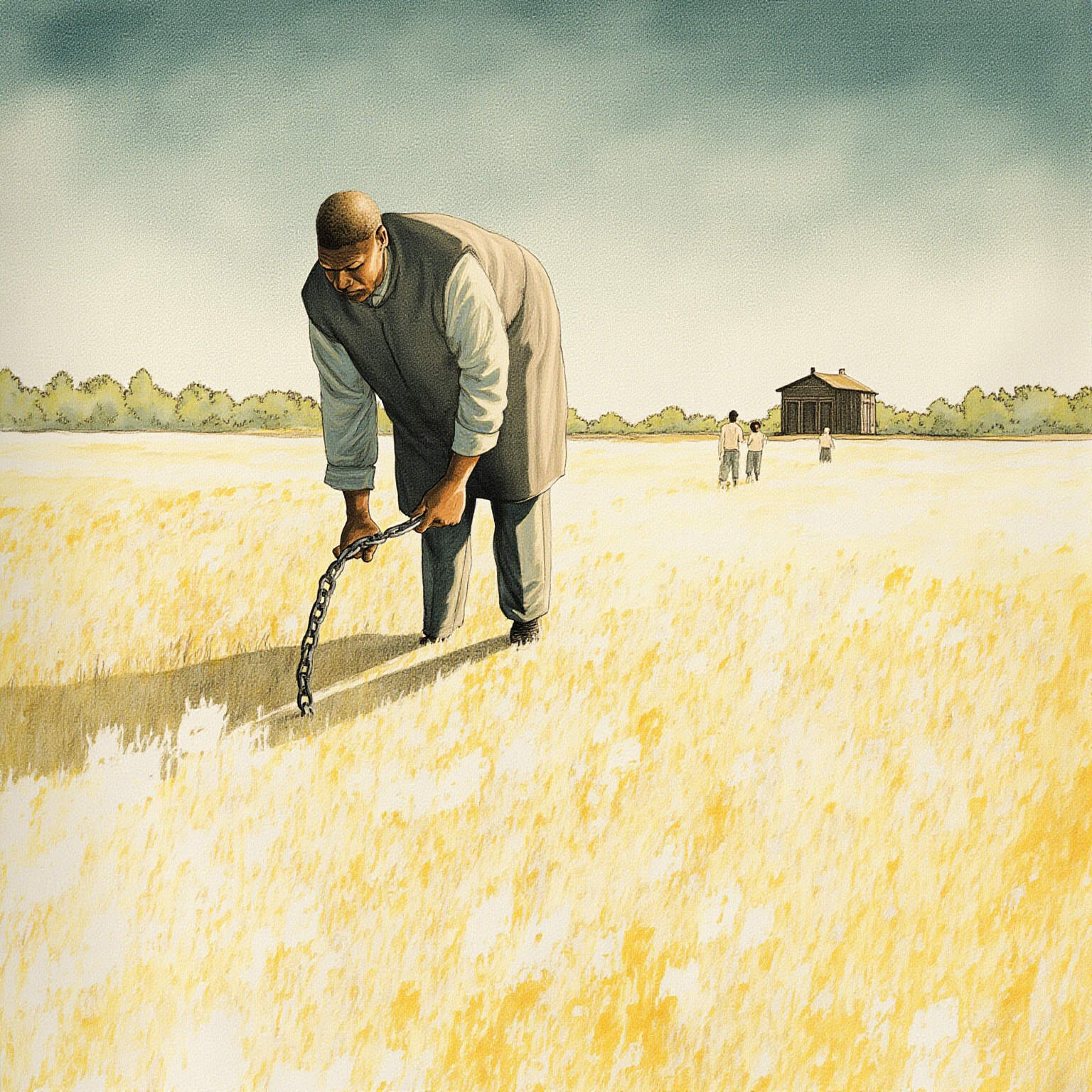
The problem of the Twentieth Century is the problem of the color-line.
二十世纪的问题,就是肤色界线的问题。
金句 · 第2章 · 在黑白的边界上
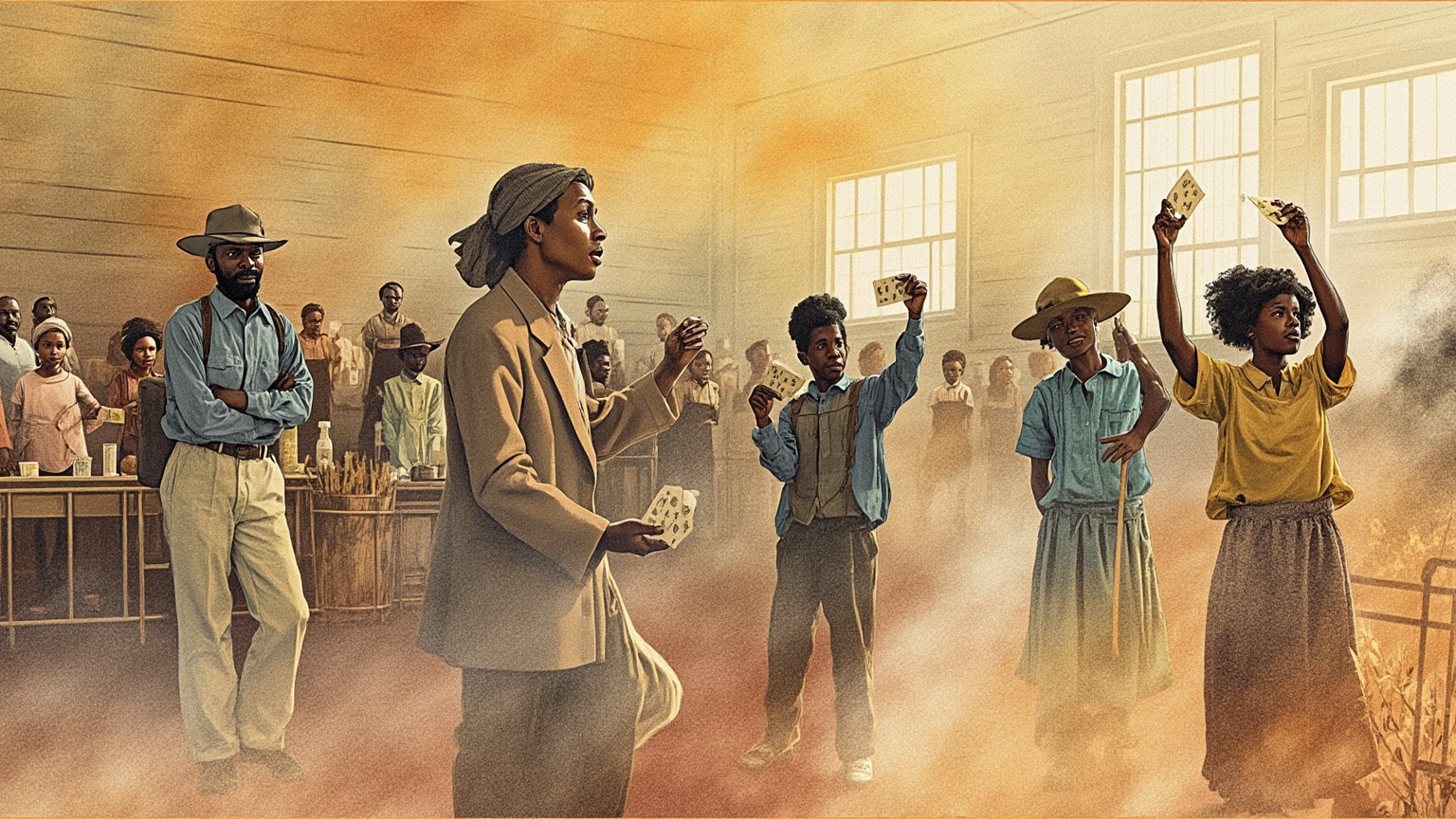
But the fields hold another picture too. A child in Sunday school lifts a battered alphabet card, sounding out letters after the teacher. The card costs nothing, yet it puts knowledge and the future into a single gesture. This is where Du Bois's writing shows its strength. He never reduces the poor to people who merely suffer, and he never turns hope into a slogan. The moment a child's arm straightens to hold that card up, education, dignity, and spiritual independence all gain weight at once.
The first time I read this passage, it was the alphabet card that struck me hardest. It is old, hardly even presentable — and yet when the child lifts it, the boundaries of the racial order seem to shudder, just slightly. Fieldwork keeps double consciousness from staying a concept locked inside a scholar's head; it becomes a judgment that has grown straight out of lived reality.
The Atlanta Lecture Hall: Forging Identity's Conflict into a Concept
Leaving the cotton fields behind, Du Bois takes his place at the lectern of Atlanta University. His students sit in the classroom; the pursuit of knowledge pulls them away from the positions assigned to them at birth, and shows them a larger responsibility. Here Du Bois forges the book's most famous claim: a Black American must be both American and Black — two souls, two thoughts, two unreconciled strivings, warring within a single body.
He never frames this conflict as a purely personal burden. Double consciousness can turn into a distinct form of insight, one that lets a person see the gap between what American society promises and what it actually delivers. He proposes that well-educated African Americans should form a Talented Tenth. The point here is not to elevate a select few while leaving the ordinary many behind, but to turn higher education, sociological method, and cultural creation into a force for reforming the race.
The function of the Negro college… is to furnish leaders who shall be the backbone of the Negro people,—the Talented Tenth of the Negro race.
黑人大学的职责,是造就民族的脊梁——那能够成为黑人种族中十分之一卓越者的领袖。
金句 · 第6章 · 论黑人大学之责
This section turns the classroom into a forge. Concepts are drawn out of historical experience and handed to the students. They answer to the segregation of the present, and they aim to train, for the future, people who can speak, create, and organize social reform.
Looking Back: Why Freedom Was Taken Away Again
Beyond the fields and the lecture hall, Du Bois pulls the timeline back to the South after the Civil War. Emancipation, the withdrawal of federal troops, and the legalization of segregation arrive one after another, each reshaping the condition of African Americans. Voting rights are stripped away, public funds are diverted, and justice is barred at the door. History does not move in a straight line toward the promise of freedom — it keeps retreating and relabeling itself. Old forms of control put on new institutional clothes and reenter through the ledger, the ballot box, and the courtroom.
Using the tools of sociology and history, he strings these changes into one institutional thread. What the reader sees is not the story of a single villain, but an order that sustains itself. This is what carries the book past personal grievance. Du Bois is asking a harder question: why does a people who have already won emancipation keep being excluded, item by item, from American civic life?
This historical turn also changes the book's rhythm. The character sketches recede into the background for a while, and political rights and public resources move to the center of the stage. Yet the more the book dwells on institutions, the clearer it becomes why the country church and the spirituals had to exist: they held up a people's spiritual life every time the formal institutions pulled back.
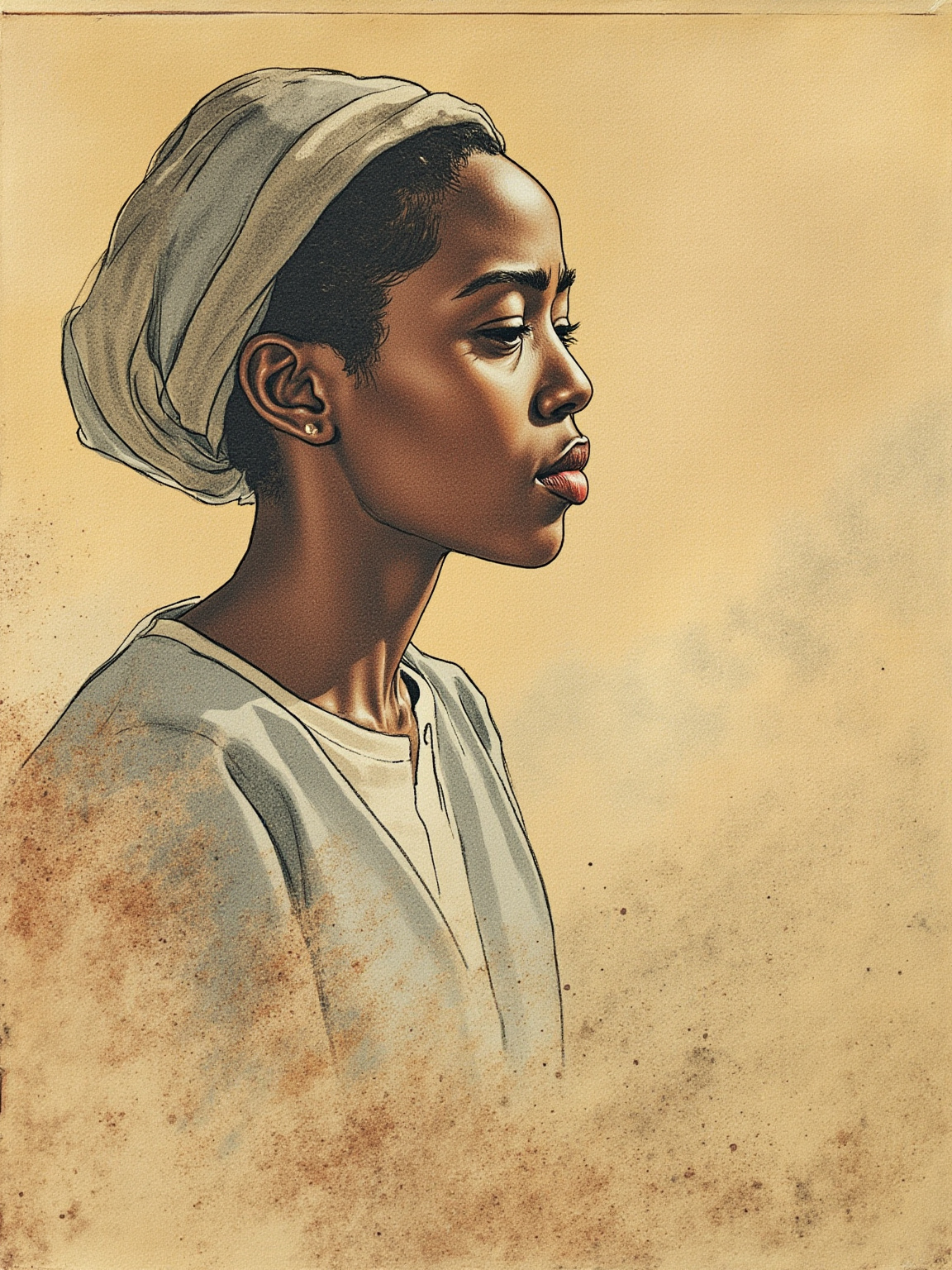
Through all the sorrow of the Sorrow Songs there breathes a hope—a faith in the ultimate justice of things, and the souls of black folk have been aided by no sweeter and no more powerful inspiration than that which has come to them in these songs.
在这些哀歌所有的悲苦里,始终涌动着一种希望——一种对事物终将公正的信念;而黑人的灵魂从未得到过比这更深沉、更具力量的激发,那是来自他们自己这些歌声中的召唤。
金句 · 第14章 · 悲歌之后
The Sorrow Songs: Keeping One's Own Voice Inside Suffering
By the final chapter, the Black spirituals become the deepest evidence of all. Du Bois sets the spirituals, the hymns, and the whole musical tradition of slavery within one continuous spiritual lineage, refusing to treat them as leftovers waiting for the dominant culture to claim. There is suffering in the spirituals, but they do not stop at lament. They sing the experience of slavery, Reconstruction, and segregation into a memory that belongs, collectively, to African Americans.
The dignity of the spirituals lies in this: they need not prove themselves against anyone else's cultural standard before earning the right to be heard. They are, in themselves, the echo of a people's soul, and the sound double consciousness makes when it reaches its deepest point. Candlelight in the church, funeral processions, the singing that rises from the fields — these carry something the historical record cannot carry on its own. They let a people, stripped of so many public rights, keep a way of speaking their own experience.
The Ending: Being Yourself, With All the Weight That Carries
The direction the final chapter points toward is neither for Black Americans to give up who they are in exchange for acceptance by the dominant society, nor to sink into permanent resentment and leave America behind entirely. Du Bois chooses the harder path: to be himself, to be Black, and to be American. Loyalty to either side of the veil need not cancel out the other, but neither side can be asked to disappear.
This claim carries force precisely because it does not pretend the conflict is over. Double consciousness still carries weight, education still needs reform, and civic rights and justice still have to be won. That is exactly why holding on to who you are is not surrender, but an ongoing act of politics. The book that began with a battered alphabet card ends, then, on a name that refuses to be erased.
Why It Is Still Worth Reading
The value of The Souls of Black Folk lies not only in the vocabulary it left behind for explaining identity, but in the way it maps Black life, education, history, and music onto the same page. Reading it today, you can see how segregation operates through institutions, and how education and culture become tools of self-preservation, of claiming rights, and of redefining a community on its own terms. It never compresses every problem down into anger — it asks the reader to hold the wound, the organizing, and the spiritual creativity all in view at once.
Real liberation is not making a person vanish from history — it is giving him the right to enter shared life whole.
Read only a summary of the plot, and you will know that this book is about the veil, double consciousness, and the spirituals. But the rhythm of the prose, the sharpness of its aphorisms, the candlelight of the country church, and the child holding up an alphabet card bring those concepts back down into the body. You will hear how a melody carries itself through history, and you will watch a scholar carry the responsibility of speaking for his people, moving between the field and the lecture hall. The map has already been drawn. The ground still has to be walked.
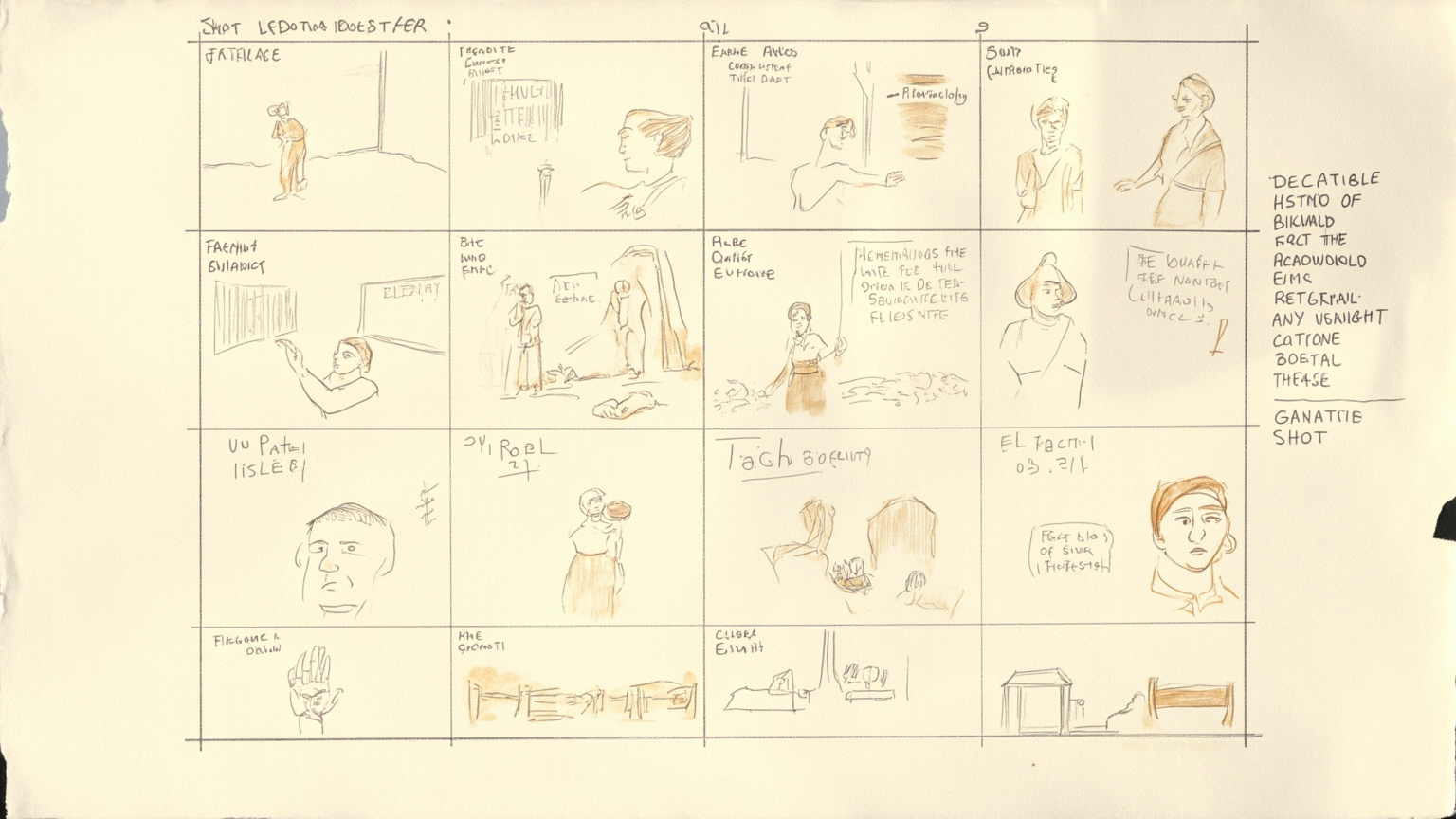
Art Direction4 plates
Before the guide was written, this book got a visual foundation — every illustration you just read grew out of it.