The Tale of Chunhyang (Chunhyangjeon) · Companion Guide
春香传
秋千荡起的那一瞬,两班少年与退籍少女一眼定情;阶级的墙、贞节的刀、御史的金牌,在南原小城里轮番落子
Opening: The Moment the Swing Takes Flight
The moon hangs above the peony blossoms. A girl of sixteen or seventeen kicks off her shoes, plants her bare feet on the swing board, and her silk skirt fills with evening wind as she rises into the air. The red-tasseled pouch at her ankle flies loose and lands under the old weeping willow behind the government hall, and lands too in the eyes of a young yangban passing by, Yi Mongryong.
It is the sharpest image The Tale of Chunhyang has left behind. The girl, Chunhyang, is the daughter of Wolmae, once Namwon's most celebrated gisaeng, born into the lowest, most shame-bound rung of the era's underclass. The boy, Yi Mongryong, is the magistrate's son, yangban aristocracy through and through. One push of the swing and an impossible idea is born, but no one dares say it out loud. Rank has already gagged them both.
What Kind of Book Is This
The Tale of Chunhyang is the distilled product of Joseon oral literature. It was sung to the drumbeat of pansori performers for who knows how many years before some unnamed hand set it down as a novel, sometime around the eighteenth century. Alongside The Tale of Heungbu, The Tale of Shim Cheong, and The Tale of Hong Gildong, it ranks as one of the four great classics of Korean fiction, holding roughly the place China gives The Butterfly Lovers, or England gives Romeo and Juliet. Except this Eastern pair gets a wedding, while that Western pair ends up in a shared grave.
A story does not get sung across an entire peninsula for centuries because its plot is strange. It survives because at every turning point it presses on the nerve East Asian audiences feel most: class, chastity, the honest official. It is the common people's political fantasy of what a good official should be, and it is one of the earliest specimens of a Korean woman standing up in literary form.
Characters and World: A Hierarchy Pressing Down
The story is set around the eighteenth century in Namwon, Jeolla Province, under the Joseon dynasty, a small town elegant on the surface and crushing in its hierarchy underneath. The yangban were the scholar-gentry; the outcast class beneath them was treated as untouchable. Chunhyang's mother, Wolmae, had once been the gisaeng every man in Namwon talked about. Once she left that register, she raised her daughter alone, keeping up a measure of respectability by teaching Chunhyang music, chess, and letters.
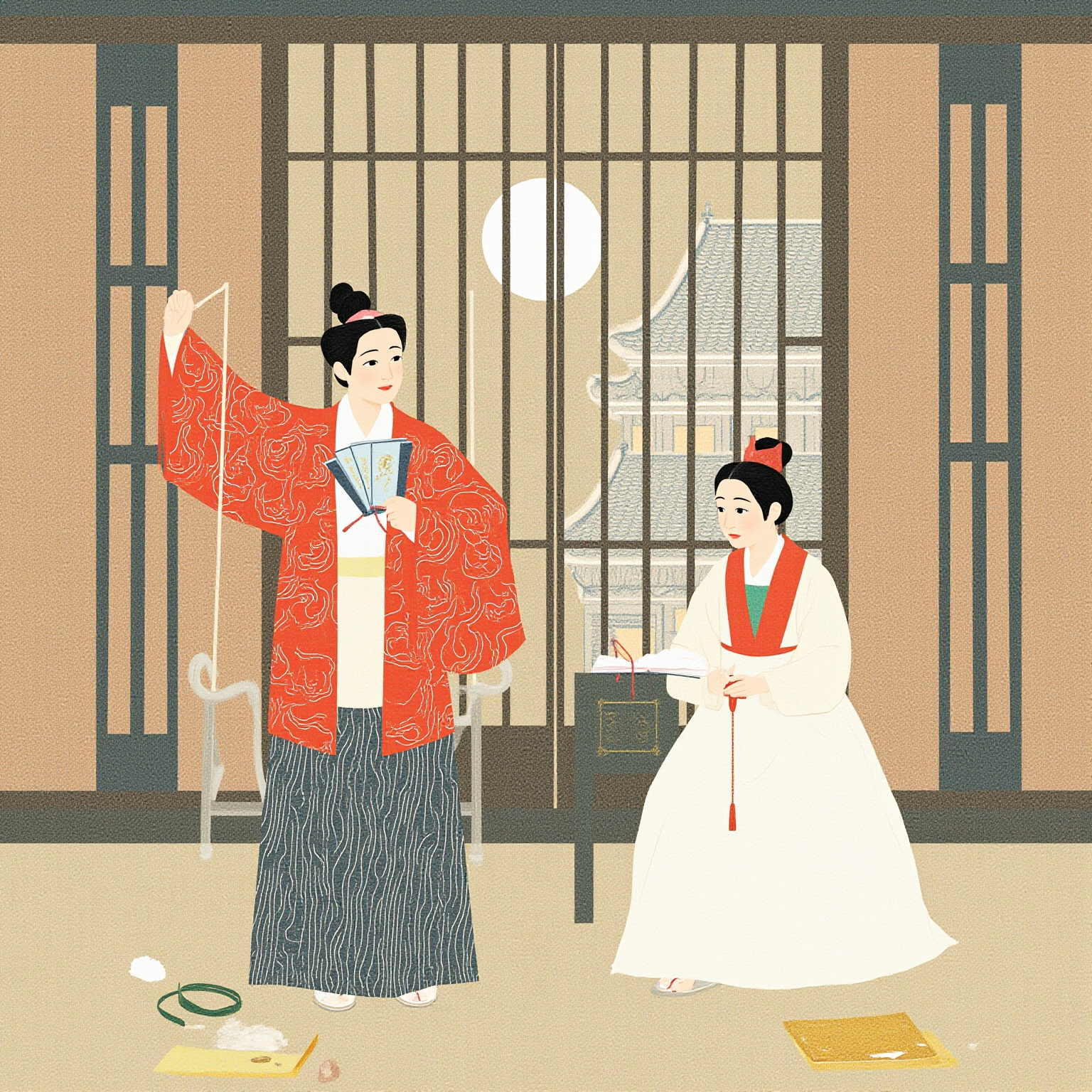
There, where the swing swayed in the moonlit garden of the magistrate's house, a girl of sixteen with silk skirts swollen by the evening breeze was the most dangerous thing a young yangban nobleman had ever laid eyes on.
府衙后庭的月光下,秋千荡起十六岁少女的绸裙,晚风兜得满满——那是一个两班少年眼里最要命的东西。
金句 · 第一章 · 秋千初遇
Chunhyang carries four things: beauty, wit, chastity, and courage. The first three are what get her noticed. The fourth is what lets her survive. Mongryong is the standard yangban prodigy, handsome, ardent, quick to do the right thing, but still not free of his father's hand. One transfer order, and he has to fall in line.
First Meeting at the Swing: A Glance That Decides a Life
After that night in the garden, the two carry messages back and forth under cover of darkness and verse, and before long they have pledged themselves to each other in private. Mongryong slips onto Chunhyang's finger a jade ring, a gift from the king to his mother passed down through the family. The girl looks down at the green glint of it, and what she sees reflected is not jewelry. It is a future she was never supposed to be allowed.
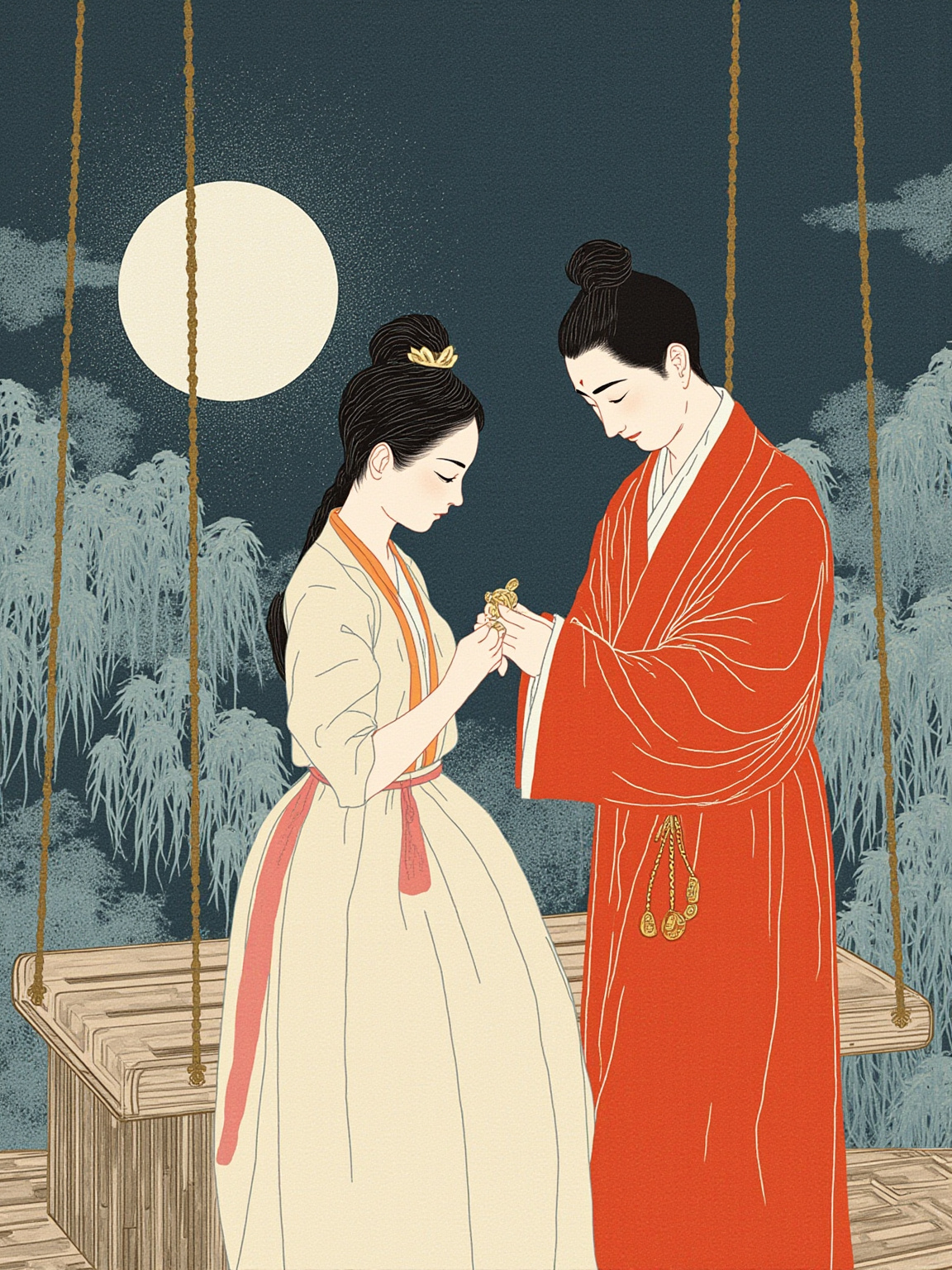
On her finger he slipped the jade ring his mother had given him, and the girl looked down at that circle of pale green light and saw, reflected there, a future she had no right to call her own.
他将母亲传下的玉戒套上她的指尖,少女低头凝视那圈碧光——眼里映出的,不是首饰,是一个她本不配得的将来。
金句 · 第二章 · 玉戒为聘
The craft here is that the author never lets either of them say the word class out loud. They speak through poems, through glances, through a ring, and the taboo stays hidden inside the romance. Reading this stretch, you feel the air over Namwon turning sickly sweet, and that is deliberate. The sugar is piled on precisely so the bitterness that follows will go down.
Parting with the Jade Ring: Class Makes Its First Move
Bad news travels faster than poetry. Mongryong's father, Minister Yi, is transferred to the capital, and the family is given a deadline to leave. Mongryong paces his study all night, packing his bags and unpacking them, packing them again. He does not dare walk into the capital with a woman from the outcast register openly at his side. That would get him struck from the family register.
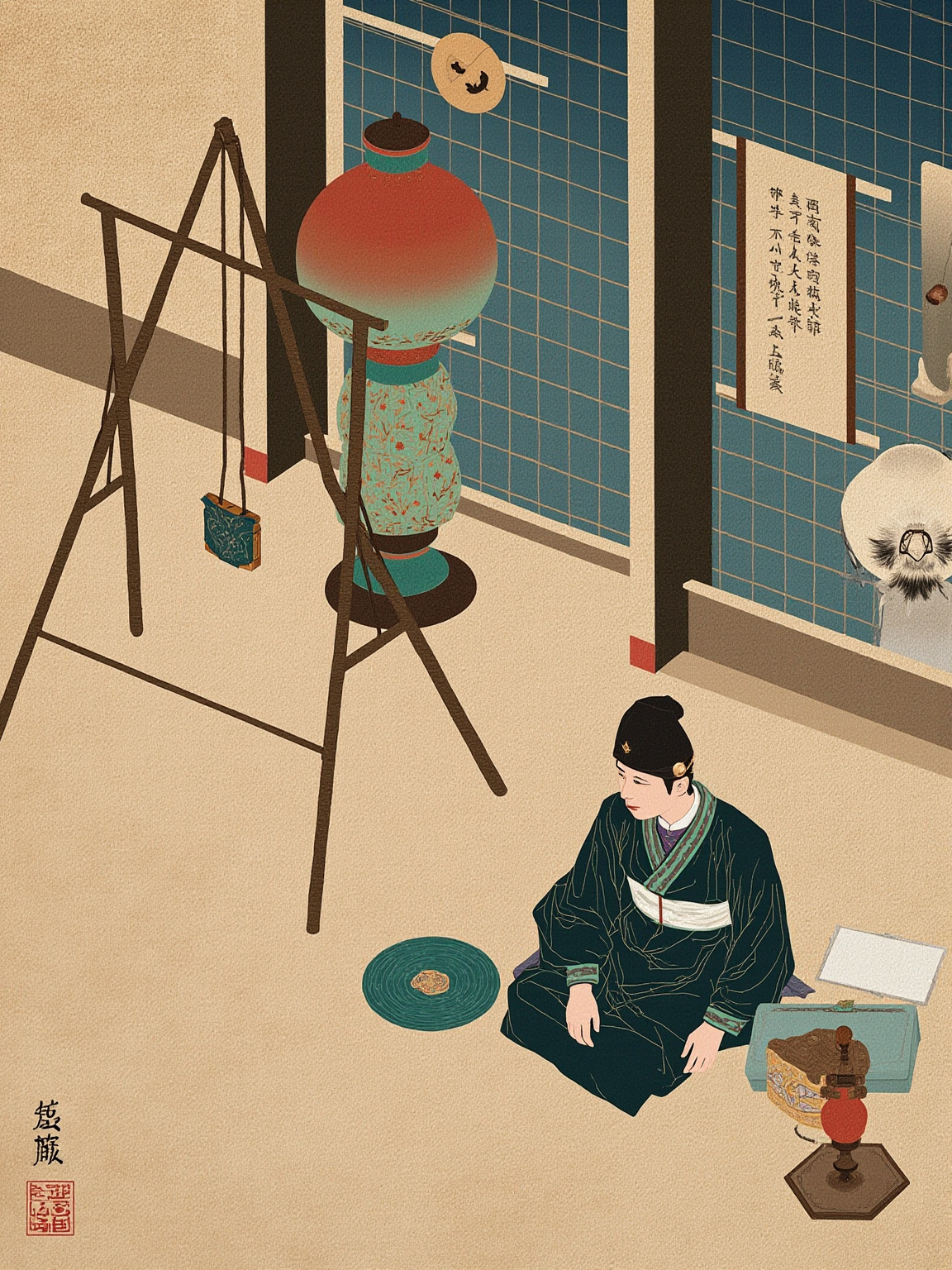
He packed and unpacked his bags a dozen times through the night; a yangban son who brought a tattered-registrant girl into the capital would be struck from the family book.
行李收了又开、开了又收,整整一夜——一个两班之子若把退籍女子带进京城,便是从族谱上除名的罪。
金句 · 第三章 · 长亭别离
So he leaves the jade ring with Chunhyang as a token and rides off, leaving the girl standing outside the roadside pavilion, watching his back disappear into the morning fog. It is not that he is fickle. It is that the rope of feudal rank around a young man's neck is too stiff to loosen.
Byeon Hakdo Demands a Concubine: Chastity Turns to a Blade
The new magistrate, Byeon Hakdo, arrives, takes one look at Chunhyang, and cannot walk past her. This yangban official opens with a demand that she become his concubine. In his world, a lowborn girl catching his eye should count herself thanked. Chunhyang does not thank him. Standing before the hall of the government office, her voice comes out clear: I would rather die than bow to yangban power.
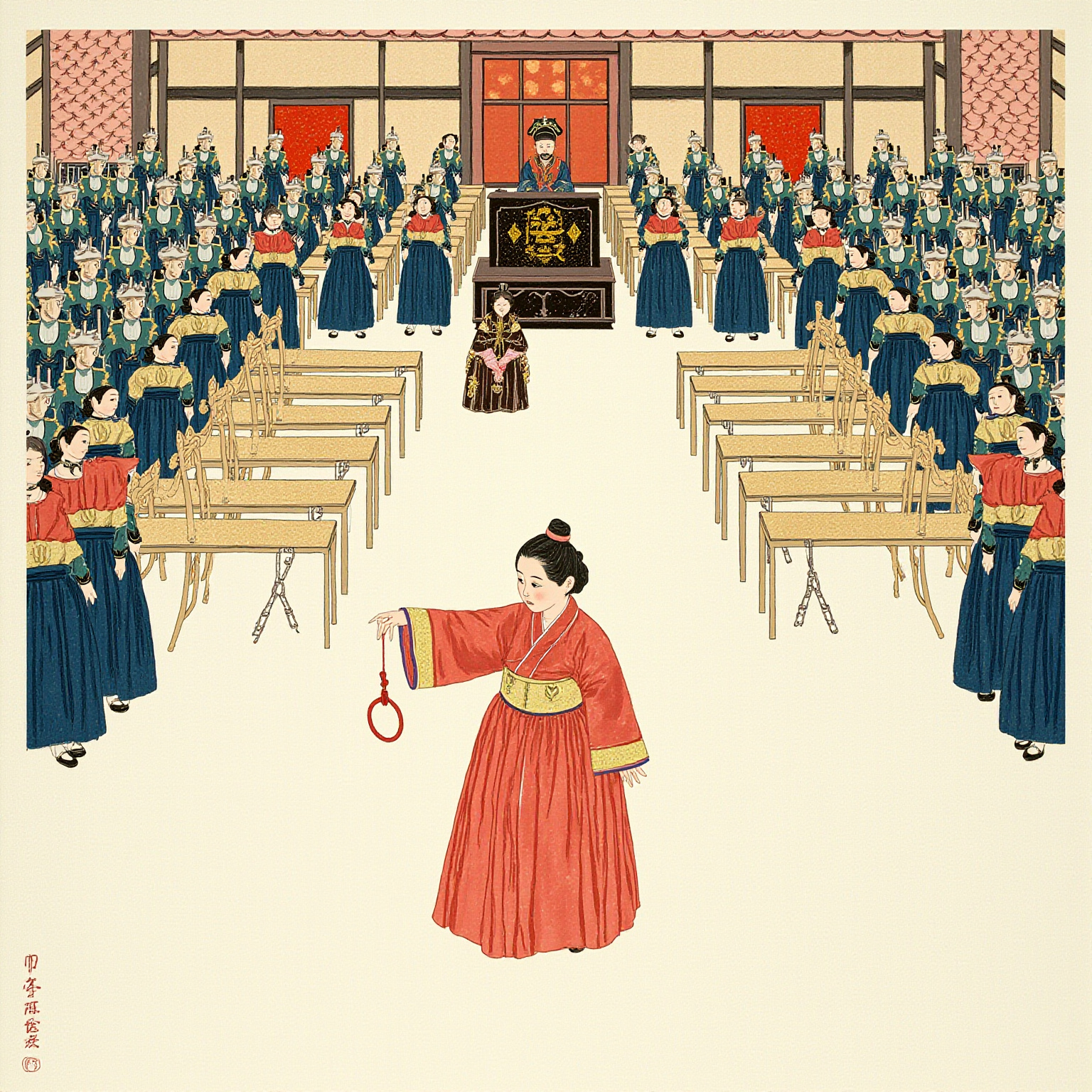
That line is the spine of the whole book. The trick is in the word chastity itself. In the Joseon world, it was supposed to be the collar Confucian propriety fastened around a woman's neck. Chunhyang takes hold of it, turns it over, and it becomes a blade.
Watching the Moon from a Dark Cell: The Peak of Anguish
Defiance earns her the cane and a death cell. The jailer shoves her into an earthen cell lit by a single crack of daylight, the iron door clangs shut, and everything lively about Namwon is now sealed away from her behind a wall of brick.
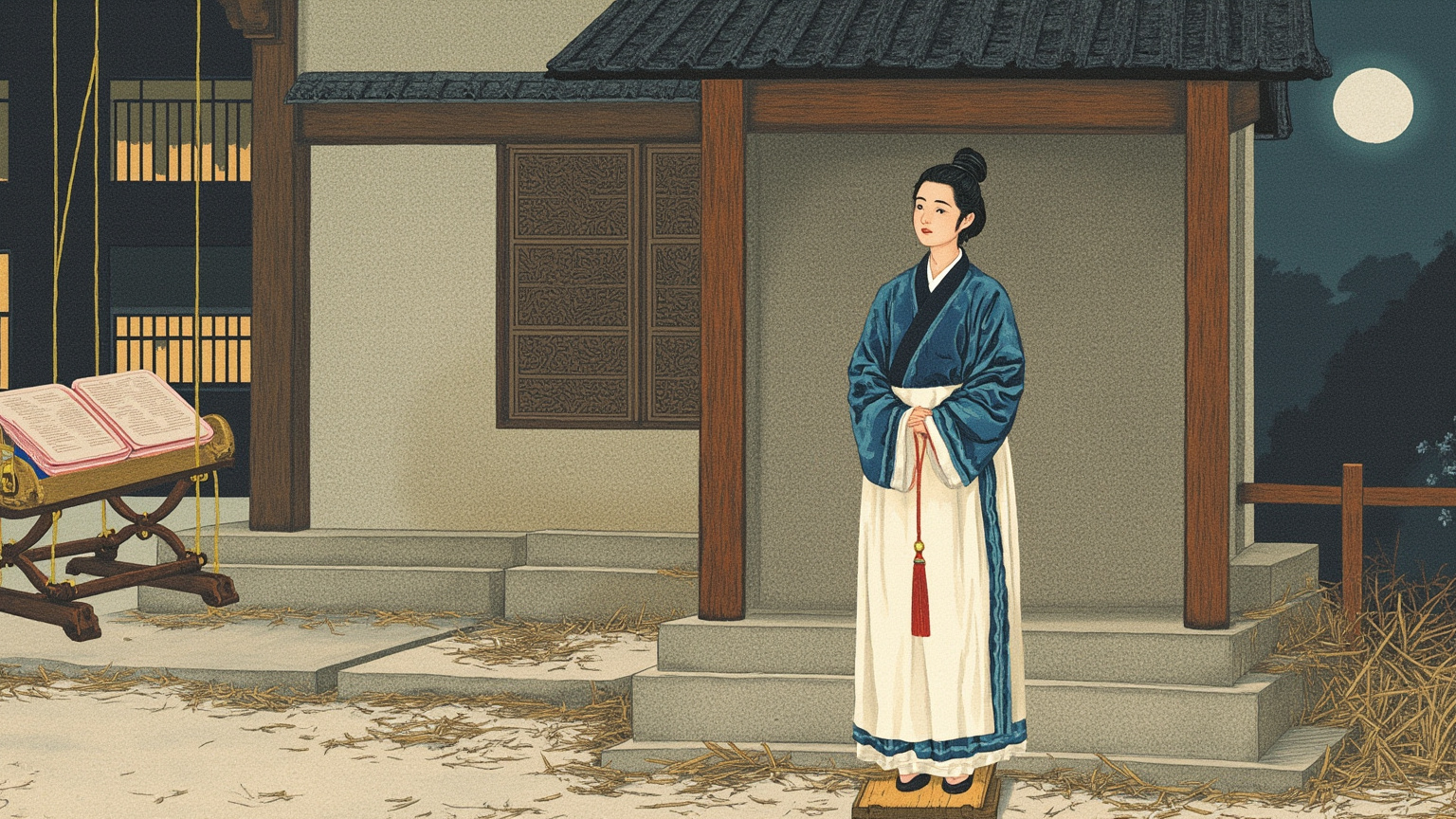
The cell had but one slit of sky. When the iron door clanged shut, all the splendor of Namp'o was sealed away from her behind a single wall of brick.
铁门咣当一声合上,南原的繁华从此与她隔着一层砖;牢顶只留一线天光。
金句 · 第五章 · 暗牢望月
From here on, the author pins the camera on Chunhyang alone. In her cell she watches the moon, runs her fingers over the jade ring, recites poems to the wall, and boils all her defiance down into a silence that will not break. This is the emotional peak of the entire story: no cries of injustice, no pleading for mercy, only moonlight falling on a silhouette that refuses to bow.
Passing the Examinations: Mongryong Repays His Debt
Meanwhile in the capital, Mongryong buries himself in his books, clears the state examinations one after another, and passes with honors. He is then secretly named a secret royal inspector, an amhaeng eosa, a uniquely Joseon office in which the king sends an envoy out in disguise, armed with a gold plaque, empowered to act first and report to the throne after.
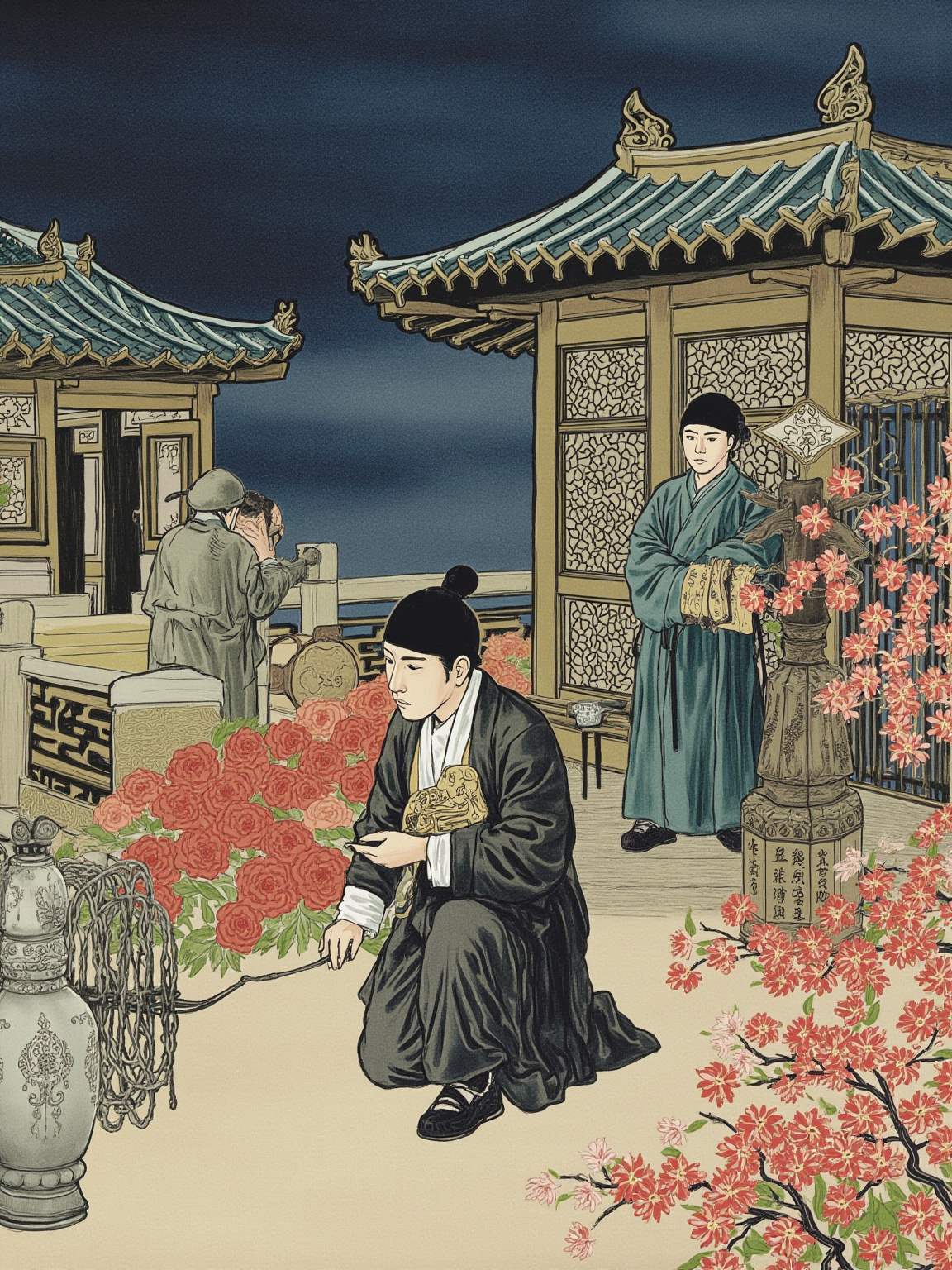
A secret royal inspector in Joseon carried but one weapon: the imperial gold tablet, granting power to judge first and report after.
暗行御史腰间只挂一件东西——天子金牌,可以便宜行事,先斩后奏。
金句 · 第六章 · 金牌出鞘
The timing of this appointment is no accident. If he had simply come home to visit family, a green scholar fresh out of the examination hall could never have touched a yangban magistrate. Wearing the inspector's disguise, he becomes the king's own blade, and nothing stands in his way.
The Inspector Reveals Himself: Reversal in the Hall
The inspector slips into Namwon in disguise, poses as an idle visitor inside the government hall, and quietly builds a case against Byeon Hakdo's years of corruption and cruelty, charge by charge. This stretch reads like a short thriller. The reader holds their breath alongside Mongryong, watching the corrupt official drink in his newly acquired concubine's chamber, still with no idea a blade already hangs over his head.
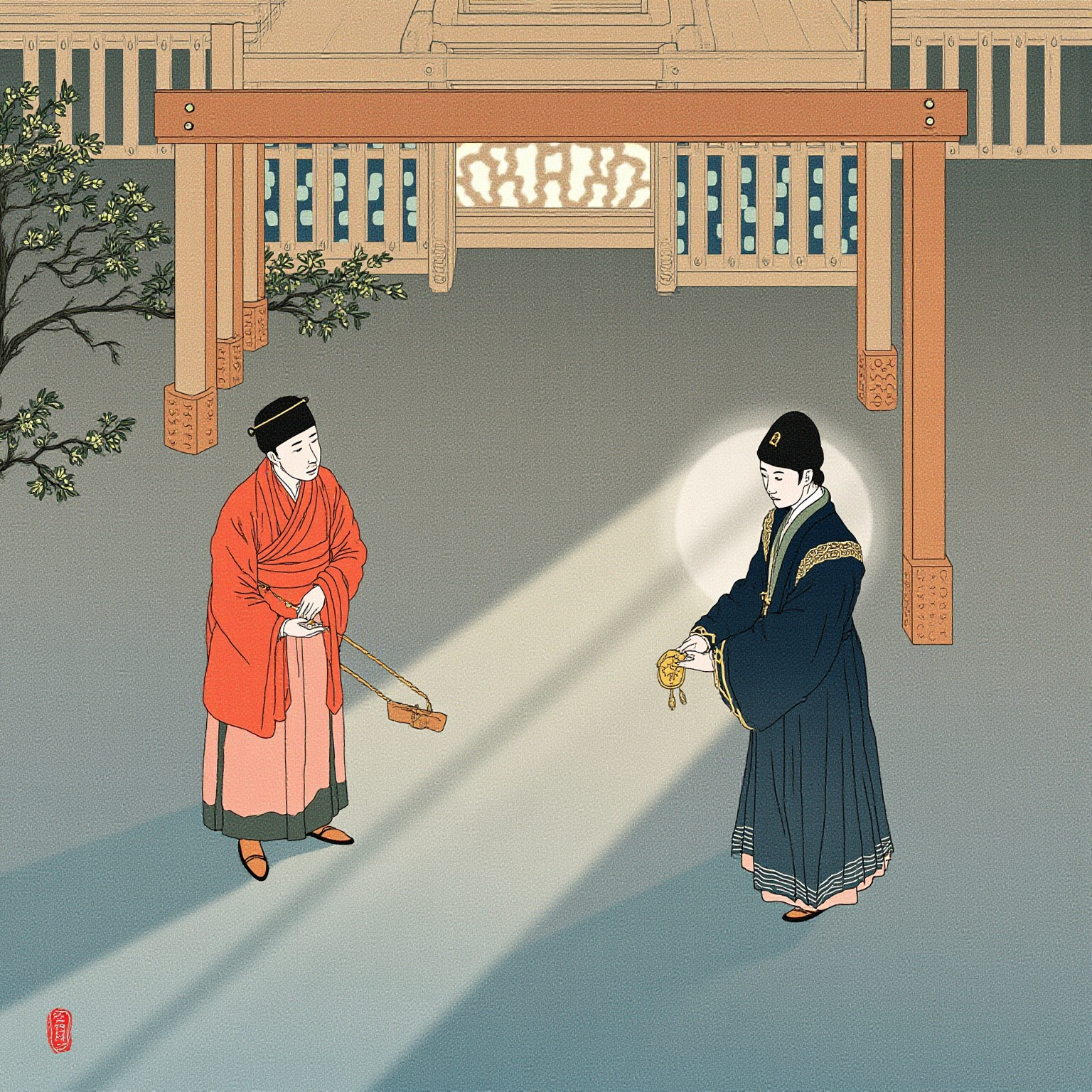
The climax arrives quietly. Mongryong steps into the hall, straightens his robes, and in front of every clerk and townsperson present, holds up the king's gold plaque. That single gesture flips the entire order of the Joseon world on its head. The moment Byeon Hakdo slides off his chair does more for the reader than any fight scene could.
The Happy Ending: An Eastern Kind of Resolution
Chunhyang is helped out of the dark cell, thinner, her eyes sunk into hollows, but her back is still straight. Mongryong slides the jade ring off her finger and puts it back on. This time, he finally has the power to take her with him.

He drew the jade ring from her finger, then slid it back. This time, at last, he had the rank to take her with him.
他将玉戒从她指上褪下,又重新套回——这一回,他终于有了把她带走的资格。
金句 · 第八章 · 玉戒重圆
There is no death here, no sacrifice, a standard Chinese and East Asian happy ending. Set against Romeo and Juliet, where Western pure love is paid for in lives, this Eastern couple pays in chastity instead. Chunhyang protects more than a lover; she protects a dignity she refuses to let rank grind down.
Themes and Craft: Why This Story Is Still Sung
The Tale of Chunhyang has stayed in the repertoire for centuries because it weaves the three sorest points for ordinary people, class, chastity, the honest official, into a single performance. Chunhyang uses chastity to rebel against propriety; Mongryong uses royal authority to rebel against local power; Byeon Hakdo is a composite portrait of every small-town official who ever abused it. The story is sweet and vicious at once, satisfying and unsettling in the same breath.
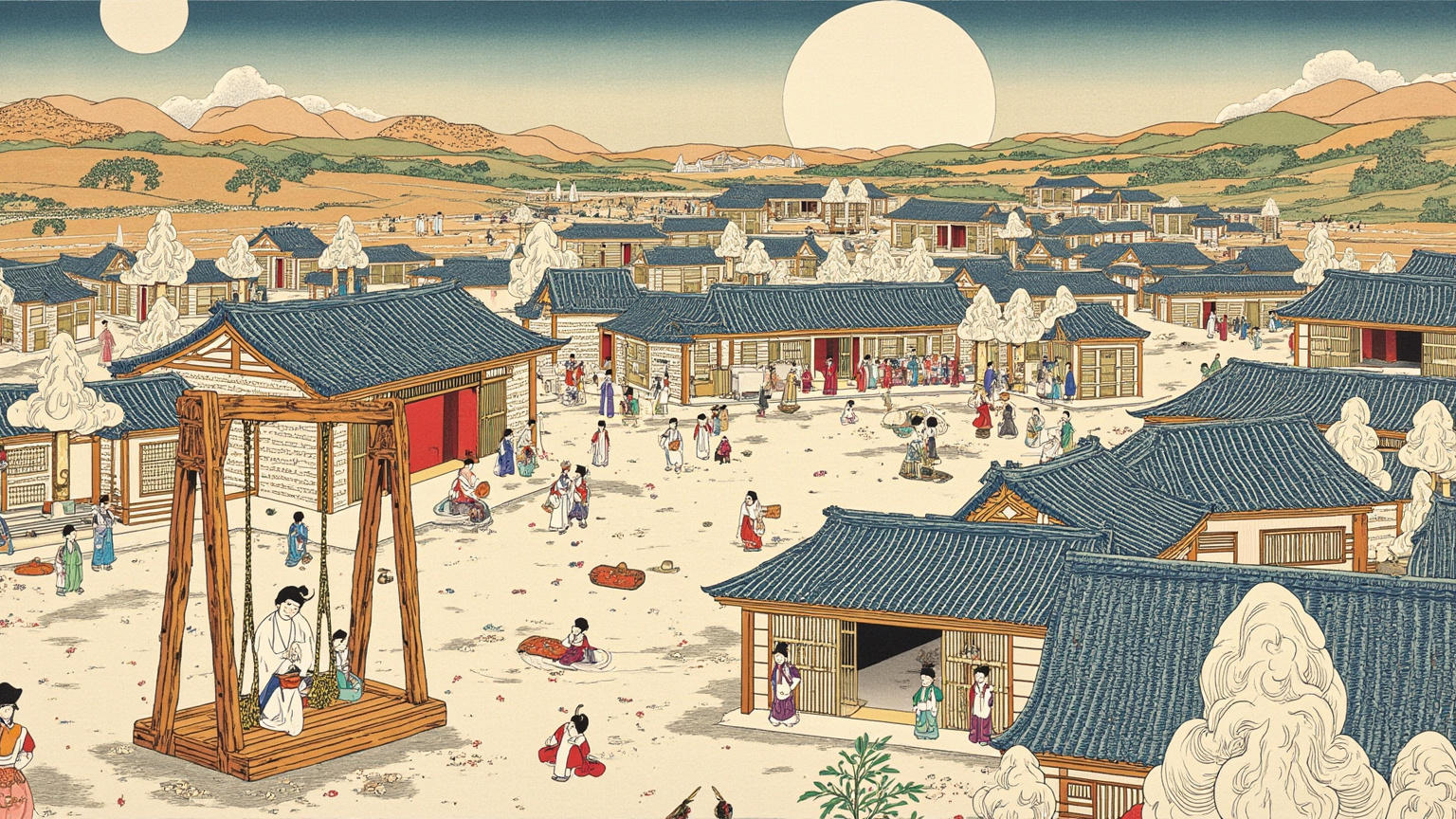
Chunhyang protects more than a lover, she protects a dignity she will not let rank grind down. The collar propriety fastened around her neck, she turns over and forges into a blade.
Why You Should Read the Original
A companion guide gives you the map, but you cannot eat a map. The rhythm of pansori, the drum falling, the long note stretching out, is a bodily sensation no summary can give you. You will hear Chunhyang laughing on the swing, hear her dig her nails into her own palm inside the dark cell. The moment the jade ring goes back onto her finger, the original text handles it lightly, barely a single line of verse, but readers who finish the whole book cry right there. Once you already know the plot, that lightness lands even heavier.
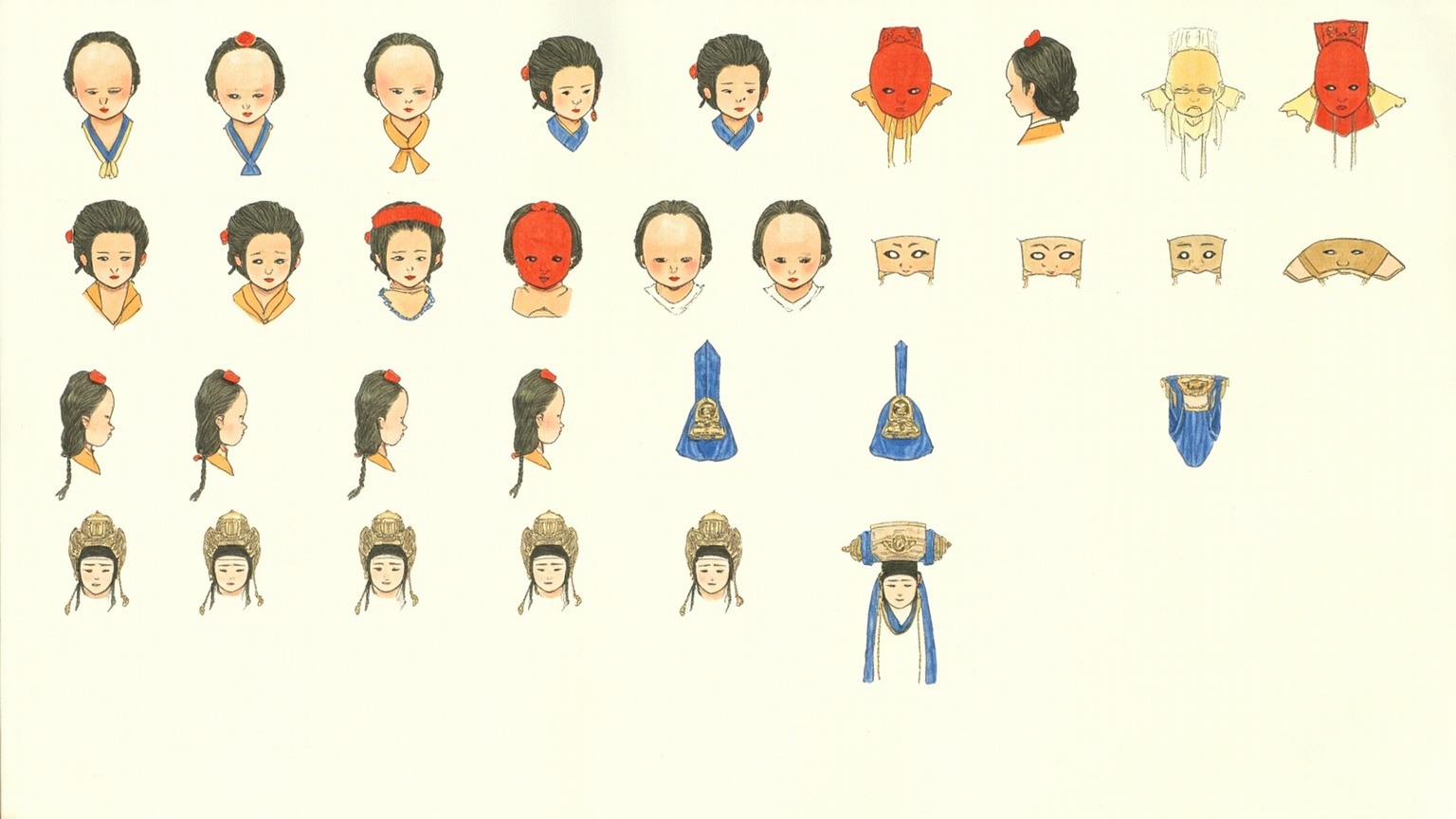
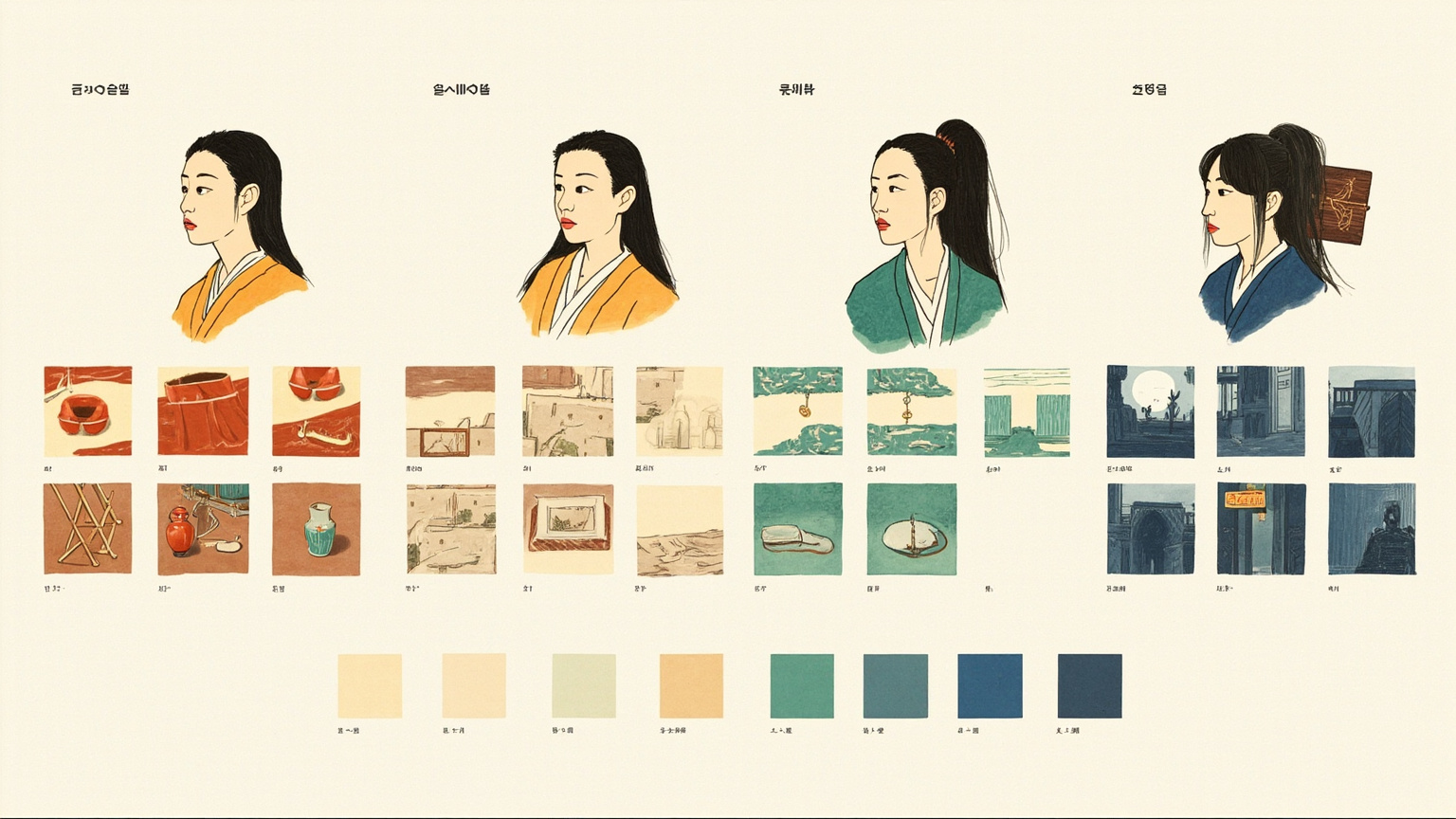
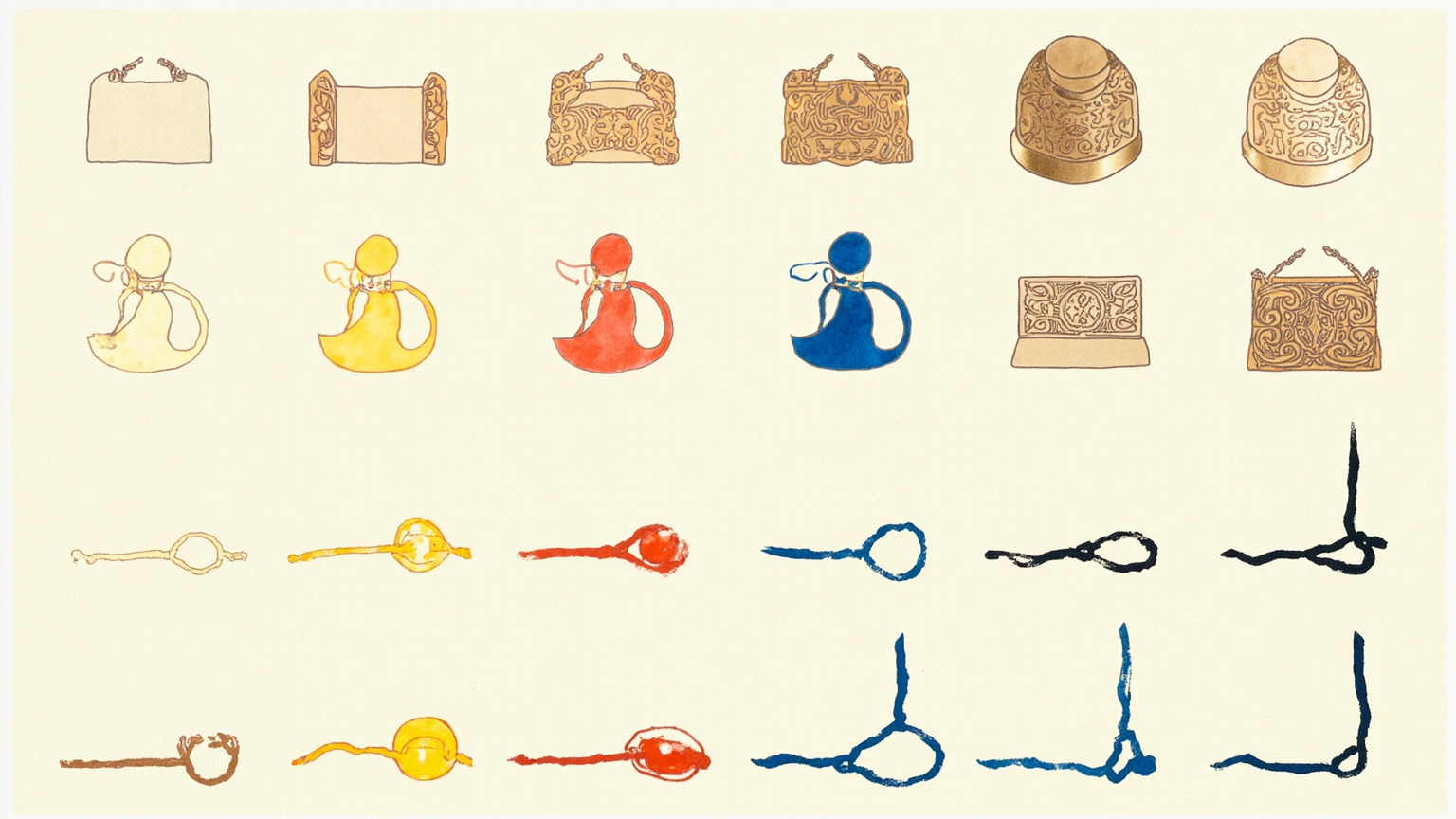
Art Direction4 plates
Before the guide was written, this book got a visual foundation — every illustration you just read grew out of it.