The Virginian: A Horseman of the Plains · Companion Guide
弗吉尼亚人
一个没有名字的牛仔,在法典与荒野之间,用枪与沉默定义荣誉。
One Book, a Genesis of the West
A hand of poker has just broken up, and the cowboy foreman sets down his cards. The gambler across the table lets slip an insult, and by cowboy code, this is the moment to flip the table and draw. Instead the foreman just rests a hand on his holster, looks the man in the eye, and says it flatter than the wind outside the saloon: 'When you call me that, smile.' Every laconic gunslinger who ever delivered a line like it before a draw — John Wayne, Clint Eastwood, a hundred Westerns since — starts here. This is Owen Wister's novel The Virginian, the book credited with founding Western literature. Tonight we read it whole in ten minutes.
What kind of book is this
Owen Wister (1860-1938) was an old-money Philadelphia gentleman, Harvard-educated, meant for law or medicine or letters — and then something got its hook into him: the West. Through the 1880s he made several trips to Wyoming to recover his health, ride, and live alongside cowboys, and came home determined to write it down. He started with short pieces serialized in Harper's Magazine and The Saturday Evening Post, and didn't stitch them into a finished novel until 1902. The Virginian is credited with exactly one thing: inventing the Western as a literary form. The taciturn gunslinger hero, the street standoff, the ultimatum before sundown, the heroine who arrives from back East — every one of those tropes we now reach for without thinking traces back to this book. Wister wasn't copying a formula. He was writing it for the first time. The novel has been adapted for film and television more times than anyone can count, but there is only one original.
The man with no name
The hero never gets a name. Everyone in the book, on every page, just calls him the Virginian, because that's where he says he's from. Wister withholds a real name on purpose, a stubborn piece of craft: this character isn't defined by lineage, he's defined by what he does. Judge Henry reads people well, and on first meeting promotes him straight from ordinary cowhand to foreman, trusting him with the whole outfit, not because he's fast with a gun, but because he keeps his word. That quality, a quiet, self-made nobility, became a new template for the American hero: not a name inherited from your father, but a character earned outright. The people around him each carry their own weight in the story. Molly Stark Wood, the schoolteacher, has traveled out from Vermont, from a genteel New England family gone to seed, to teach at the Bear Creek school in Wyoming; she's civilization's hand reaching into the wilderness. Trampas, the gambler, is the classic idle villain, nursing a grudge from the card table all the way to the sundown street. Judge Henry is the man who discovers the Virginian, and the book's embodiment of order. The heaviest role of all belongs to Steve, the Virginian's friend since boyhood, who ends up on the wrong side of the law.
How the West actually ran
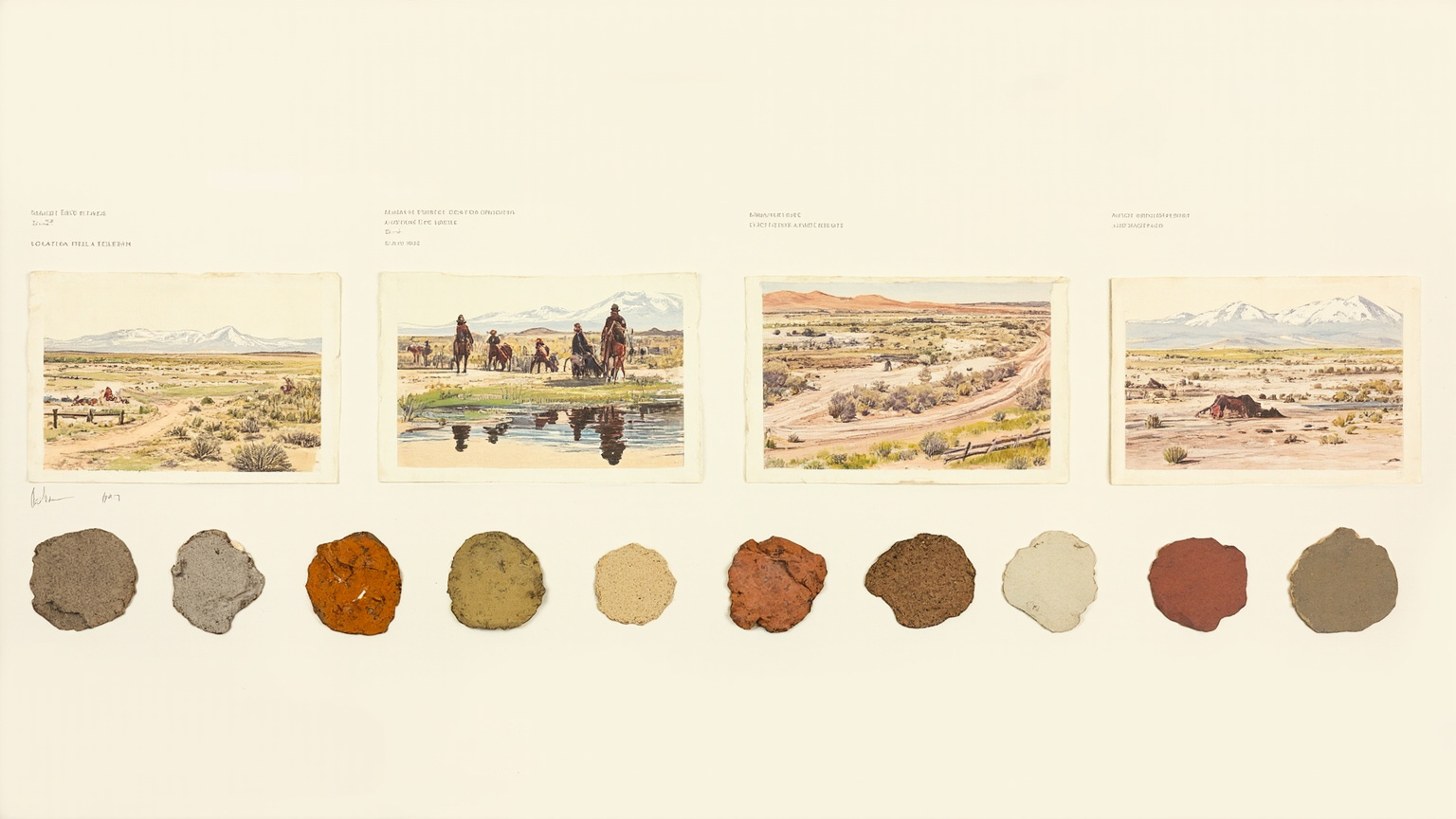
The story is set in Wyoming in the 1880s, not yet a state, note, but Wyoming Territory; statehood was still years off. The railroad had just carried civilization in, but out on the empty range, the law couldn't keep pace with the wagon. Towns sat hundreds of miles apart, and when no judge was around, who kept order? The cowboys did, themselves. That's the real foundation of the Western code: not romance, but necessity. The whole novel is threaded together by a young visitor from the East, called the tenderfoot because he can barely manage a saddle. He becomes the Virginian's lifelong friend and the story's witness, recording it all with a cool head and giving readers a way into the West from the outside.
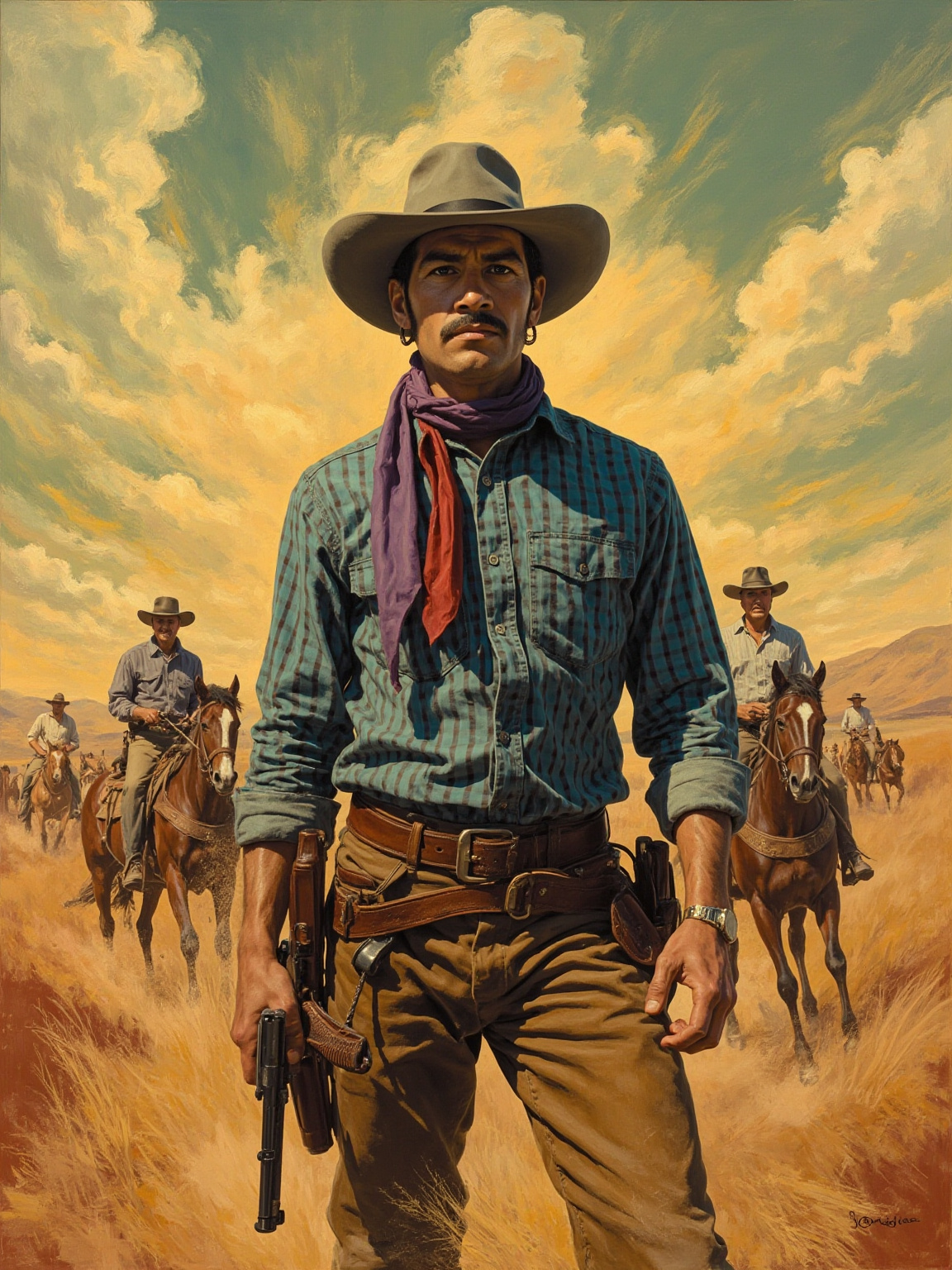
Her lips were faintly parted, and no woman's eyes ever said more plainly, "I am one of your possessions."
她双唇微启,没有哪个女人的眼睛曾说出比这更明白的话:“我是你的所有物。”
原文金句 · 第3章 · 旅馆一瞥
The scene at the card table
The Virginian barely gets through the door before the scene arrives. In the saloon at the railroad hotel in Medicine Bow, a few cowboys have a card game going, Trampas loses money, and mutters an insult on his way off the table. By the rules of the place, the insulted man either draws or backs down; there's no middle ground. The Virginian does neither. He just rests a hand on his holster, looks Trampas in the eye, and says it colder than the wind: 'When you call me that, smile.'
Why does literary history remember that one line? Because it does two things at once. First, it establishes the man: this is no bloodthirsty gunman, he has restraint, and he can carry a grudge on a low flame rather than let it explode. Second, it invents a device we would later see worn smooth in a thousand Westerns: the short line delivered at the standoff, quiet in a way that's more frightening than a shout.
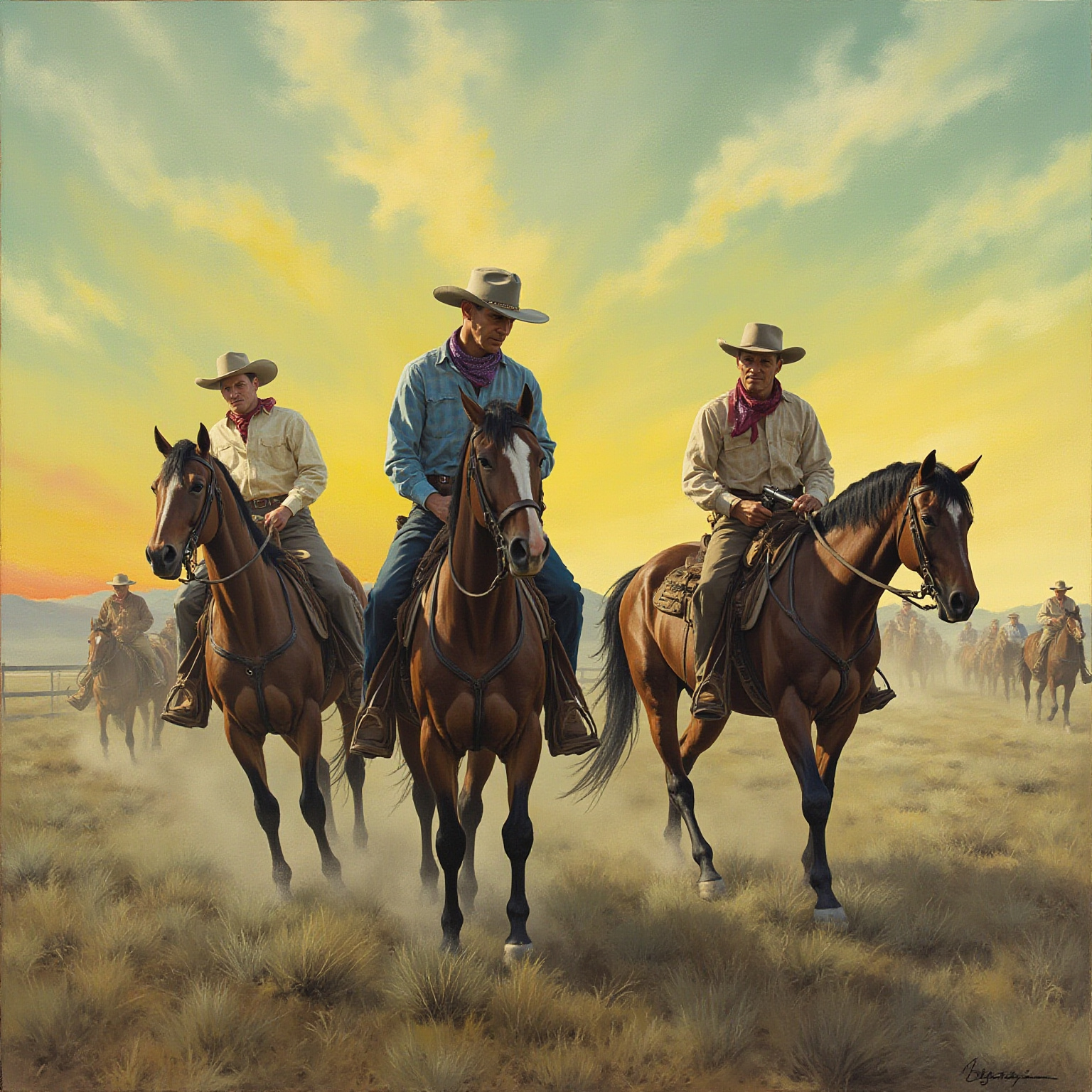
One flash of the inner man lightened in his eyes and died away, and he finished with his gentle drawl, "When I play, I want it to be interestin'."
他眼中一闪而过内心深处的东西,旋即熄灭,他拖长声调轻轻说道:“我玩的时候,得有点儿意思才行。”
原文金句 · 第6章 · 牌桌对峙
A courtship three years in the making
When Molly Stark Wood arrives from Vermont to teach at the Bear Creek school, the Virginian falls for her on sight. But this isn't a whirlwind romance; it's a long, close-fought campaign. Molly genuinely despises the West at first: its dust, its cowboys, its rawness and lawlessness. She's a well-bred New England lady, come to run a school and teach children their letters in the middle of nowhere. The Virginian never hurries. For a year, then two, he stays somewhere she can see him, finds an excuse to pass by Bear Creek and stop a while, never presuming, never backing off.
The way Wister handles this is worth pausing on. He never gives the Virginian a long speech of devotion, and he never lets Molly have a sudden change of heart. The ice between them breaks through small gestures instead: he calms a spooked horse under her window, he can't read but asks her, seriously, how to pronounce a word. Her resistance wears down under his restraint, and the yes she finally gives him is the payoff of years of silence.
A friend at the gallows
The darkest page in the book turns fast. Judge Henry sends the Virginian to lead a posse after a gang of horse thieves, routine work for a foreman. But when they catch up with the gang, one face among the rustlers belongs to Steve, the friend he grew up with. The West's code shows no mercy. Horse thieves are hanged, by custom, on the spot. As the man enforcing the law, the Virginian is forced to take part and send his closest friend to the gallows with his own hands. It's the heaviest scene in the book, and Wister writes it with real restraint: no sentimental narration, just the fact of it laid bare. But you'll sit with it a long while after you finish it; the hanging changes the Virginian, and it wrecks the engagement he's just won from Molly.
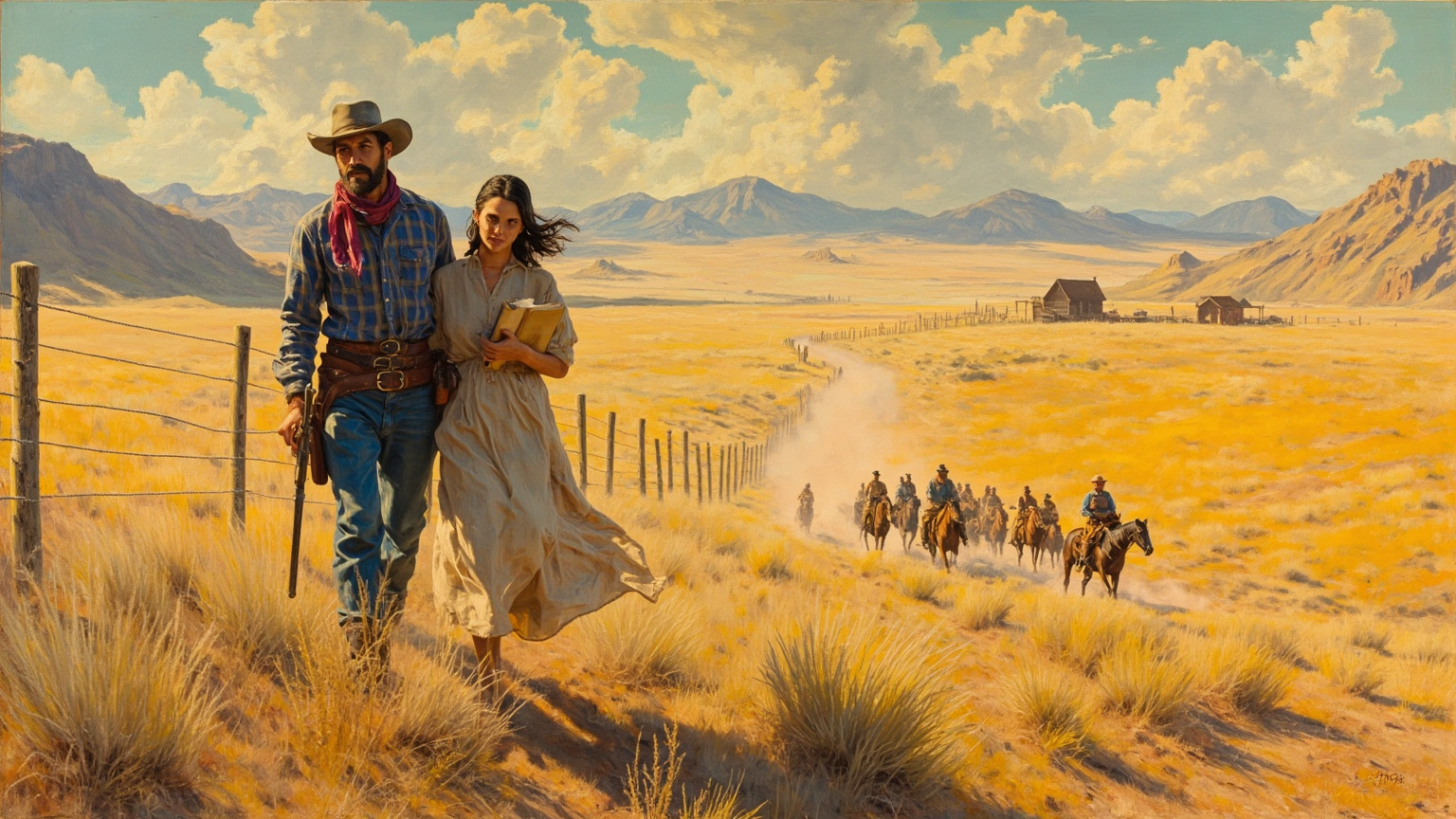
"For Steve and me most always hunted in couples back in them gamesome years,"
在那些嬉闹的年头,史蒂夫和我多半是成双结伴地狩猎,
原文金句 · 第15章 · 追忆挚友
The thread that nearly snapped
The stretch after Molly learns about the hanging is the darkest in the book. Raised in the East, she cannot accept that the man she loves took part in killing his own friend, even a friend who deserved it. More than once she's ready to break the engagement and go back to Vermont for good. The Virginian offers no defense. He doesn't argue that the West's code was justified, and he doesn't excuse himself. He just bears it, in silence. Wister writes this passage with your jaw clenched the whole way through. He never has the Virginian beg on his knees, and he never gives Molly a sudden change of heart. The two of them simply stay locked, neither one giving ground, neither one turning away for good. In the end it's the Virginian's actions, not his words, that bring Molly back.
An ultimatum before sundown
Trampas has been nursing his grudge for years. He finally issues a public ultimatum: get out of Medicine Bow before sundown, or meet him in the street. Molly gets down on her knees and begs him not to go; she threatens to leave him if he does. The Virginian looks her in the eye, and walks out the door anyway. This is where literature gets its first street showdown of the kind every Western would later borrow. At sundown, the street in Medicine Bow stands empty and silent, and the two men take their places at opposite ends. The Virginian puts Trampas down with a single shot, clean, with nothing wasted. No one had written it this way before: a quiet man, completing on an empty street a ritual he has no choice but to finish.
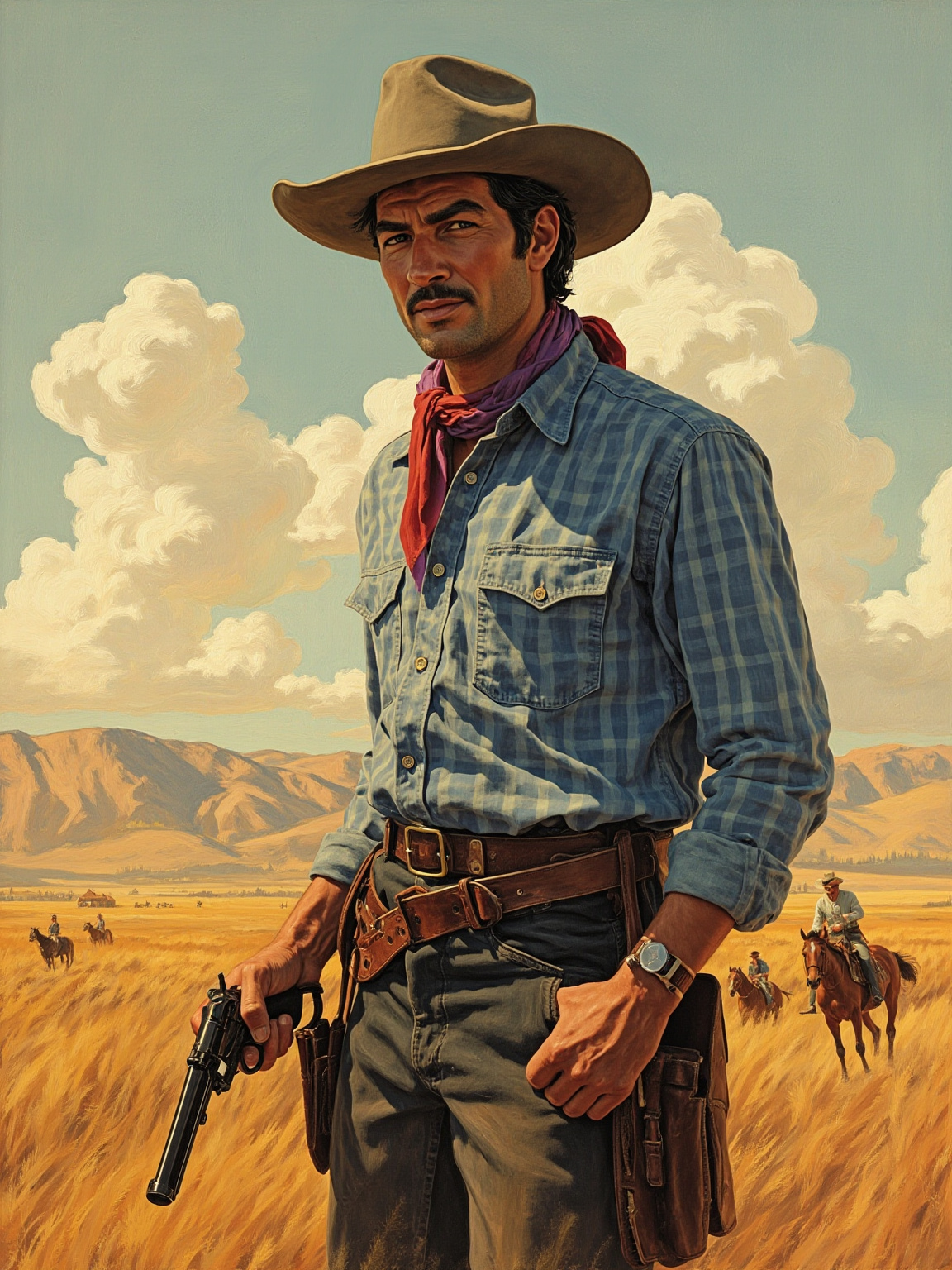
"This bank's in shadow by one o'clock, and the sun has not cooked them dusty."
到一点钟,这岸滩就落入阴影里了,太阳还没把尘土晒得发烫。
原文金句 · 第16章 · 决斗前夕
The wedding and the final chapter
The day after the duel, the Virginian and Molly marry. Judge Henry makes him a partner in the ranch, and later, when coal turns up under the ground at Sunk Creek, the Virginian ends up a Wyoming coal man. Frontier code and New England breeding reach a kind of truce in this marriage. Wister hands the book a seemingly happy ending, but anyone paying attention knows the shadow of that gallows never really leaves the Virginian.
What is it actually saying
On the surface it's a Western legend; underneath, it's a moral dilemma. Wister doesn't simply celebrate frontier justice. He makes his hero hang his own best friend with his own hands, then makes him gun down his oldest enemy in the street at sundown, and then makes him carry that weight for the rest of his life. The question the book asks is: when the law can't keep up with the wagon, who enforces it? And does the man who enforces it pay a price for doing so? There's another layer that speaks more directly to readers today: what counts as natural nobility? The Virginian has no name, no family, barely any schooling, and he earns everything he has through character alone. For Wister to write a figure like that in 1902 America was itself a small act of rebellion against the old-money order: the claim that character outranks pedigree, an argument that still hasn't finished being made.
It is not praying nor preaching that has ever caught me and made me ashamed of myself, but one or two people I have knowed that never said a superior word to me.
让我自惭形秽的从来不是祈祷或布道,而是我认识的那一两个人,他们从未对我说过一句高人一等的话。
原文金句 · 第8章 · 道德反思
The first time I got to the ending, I went back and read the hanging chapter again. Wister adds no commentary to it at all; he just sets the facts down, and the weight of them is enough to leave you short of breath. That's how they wrote in 1902: no explaining, just leaving you to weigh it yourself.
He has no name, but every choice he makes forges one.
Why read the actual text
A companion piece gives you the map; the text is the land itself. There are things in this book no summary can hand you. First, the atmosphere Wister builds for the Wyoming range: the wind, the dust, the distant mountains, the sweat on a cowboy's shirt, boots on a plank floor, you have to smell it yourself. Second, the weight of the Virginian's silence: he almost never explains himself, but every unmoved moment is carrying a story underneath it. Third, the way that generation wrote the West in 1902: restrained, clean, with a gravity Westerns on film never quite managed to recapture. Knowing the plot going in actually frees you to notice these things. You'll catch where Wister cuts a passage short on purpose, why he keeps the tenderfoot quiet at the moments that matter most, how the air in the whole book changes after that one shot. None of that lives in the plot summary; it lives in the breathing of the prose. It's worth the trip to Wyoming yourself.
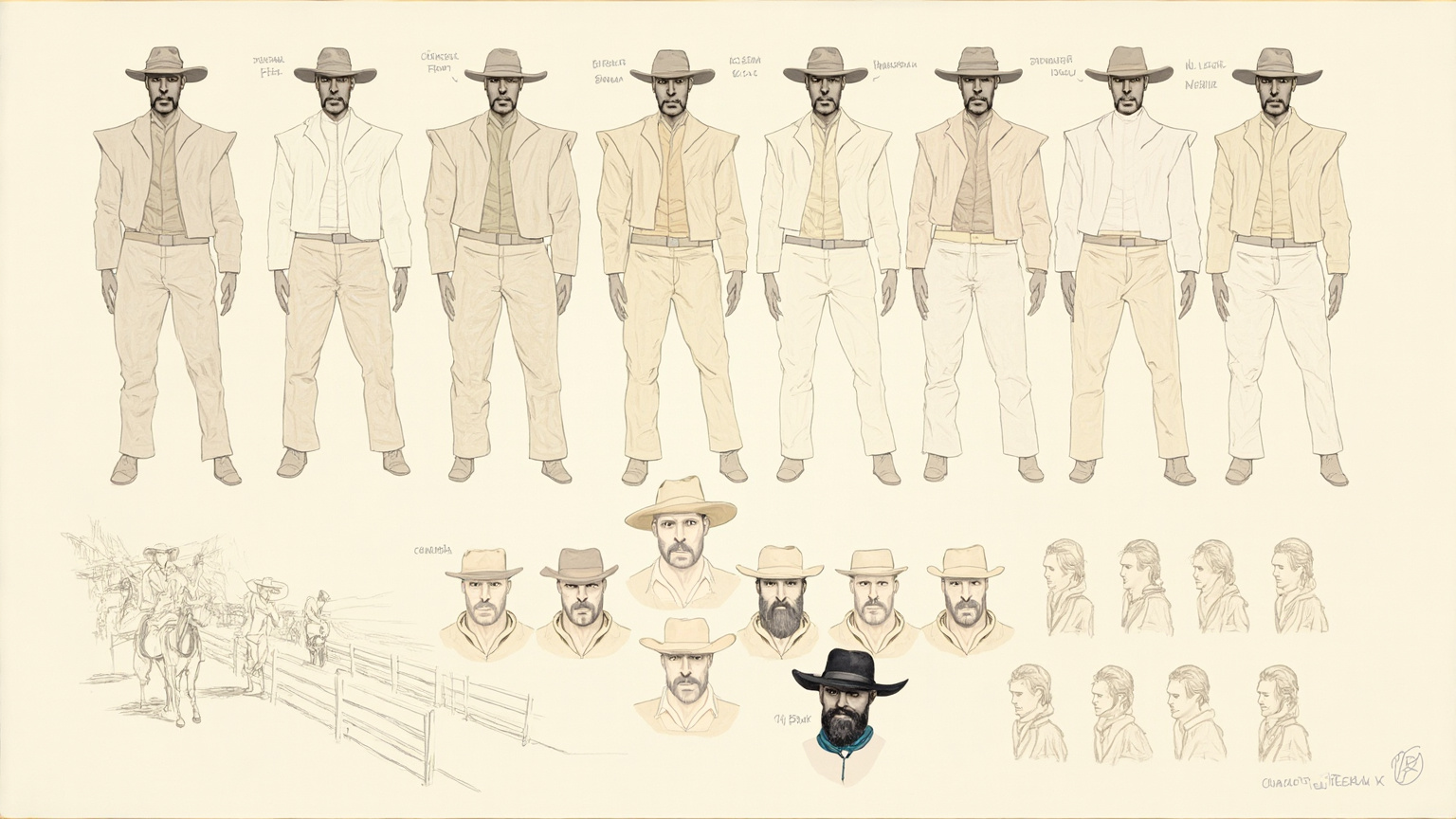
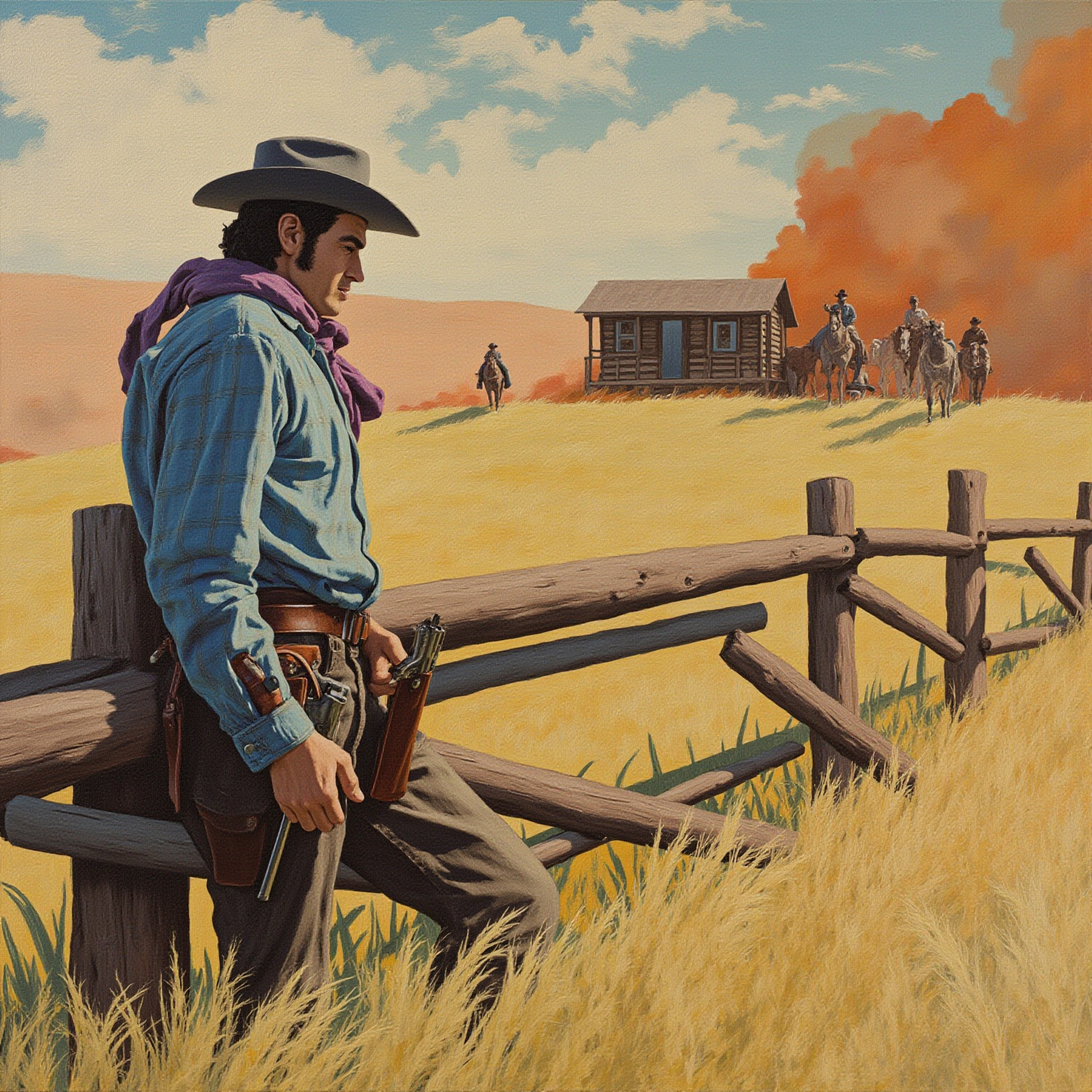
Art Direction4 plates
Before the guide was written, this book got a visual foundation — every illustration you just read grew out of it.