The Wind-Up Bird Chronicle · Companion Guide
奇鸟行状录
妻子从家里消失,丈夫被一只电话推向日常的边缘,最终坐在枯井口等她从另一头回来——井底那一线天光,是全书唯一没有关闭的门。
Opening: The Phone Rings, and His Wife Isn't Home
Toru Okada is home when the phone rings. A woman's voice he doesn't recognize tells him his wife isn't home — she won't be back today. He figures it's a wrong number and lets it go. Then Kumiko really doesn't come back. Not the next day, not the day after. The air in the apartment starts to turn stale, and in the kitchen sink her teacup still sits unwashed.
The weight of it isn't the disappearance itself. What Toru actually loses is the ground he'd been standing on — once the ordinary order of his life is pulled out from under him, he's left standing in an empty room like an actor whose props have all been struck, with no idea who his lines are even for anymore. Kumiko's absence is the source of everything that follows: the well, the search, every dislocation in the book. This is where The Wind-Up Bird Chronicle actually begins.
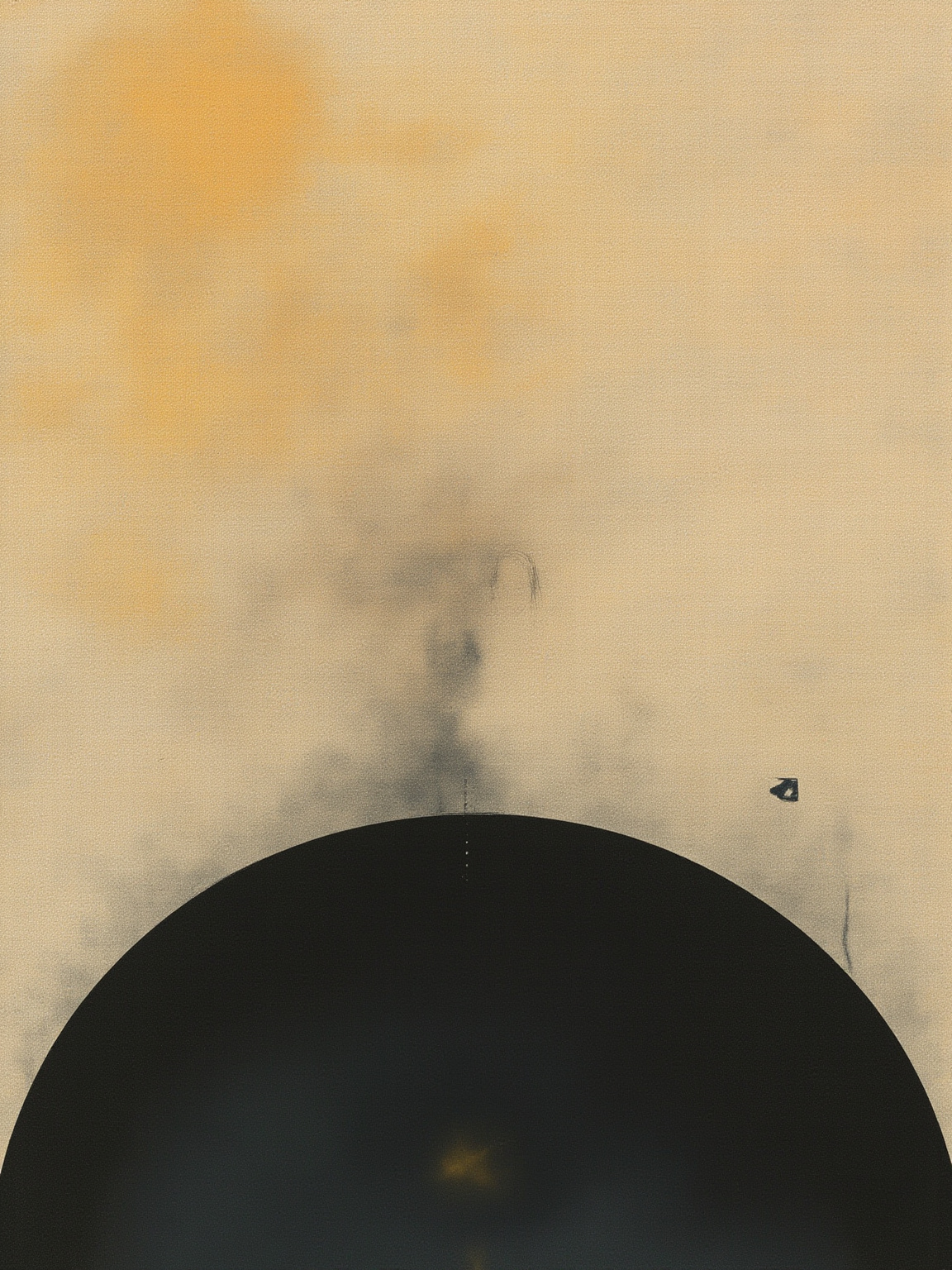
Something had been drained out of me. I was standing in an empty room, like an actor after the props had been taken away, with no idea what lines to say or to whom.
有什么东西从我的内部被抽走了。我站在一间空荡荡的房间里,像一个道具被搬光了的演员,连该对谁说什么台词都不知道。
金句 · 开篇 · 久美子失踪之后
What Kind of Book Is This
The author is Haruki Murakami. He wrote the book between the late 1980s and early 1990s; the complete edition came out in 1994 and won the Yomiuri Prize for Literature the following year. It marks Murakami's turn away from the light, urban cool of his earlier work — the first time he dragged a real historical wound into a novel. You can see the shadow of this well in every long novel he wrote afterward: Kafka on the Shore, 1Q84, Hard-Boiled Wonderland and the End of the World.
Chinese readers have long ranked it as Murakami's best. The reason isn't complicated: it's his heaviest book, its imagery holds together the most solidly, and it's the one where he was least interested in making readers comfortable.
Characters and World: A Few Strange Figures in a Setagaya Garden
Toru Okada is in his early thirties, an out-of-work husband. Kumiko, his wife, edits at a magazine, and it's her absence that drives everything in the novel. Her older brother, Noboru Wataya, claims to be writing a novel; the cold laugh on the other end of a phone line is the only way he first appears.
On his way to see a real estate agent, Toru runs into a strange old man who introduces himself as Lieutenant Mamiya. At a street corner he meets May Kasahara, a sixteen-year-old with an oddly sharp sense of smell, who joins him in looking for his wife. Next door, a lawyer named Mr. Honda lives alone in a supposedly haunted, empty house with a dry well in the yard — the well that matters most in the whole book.
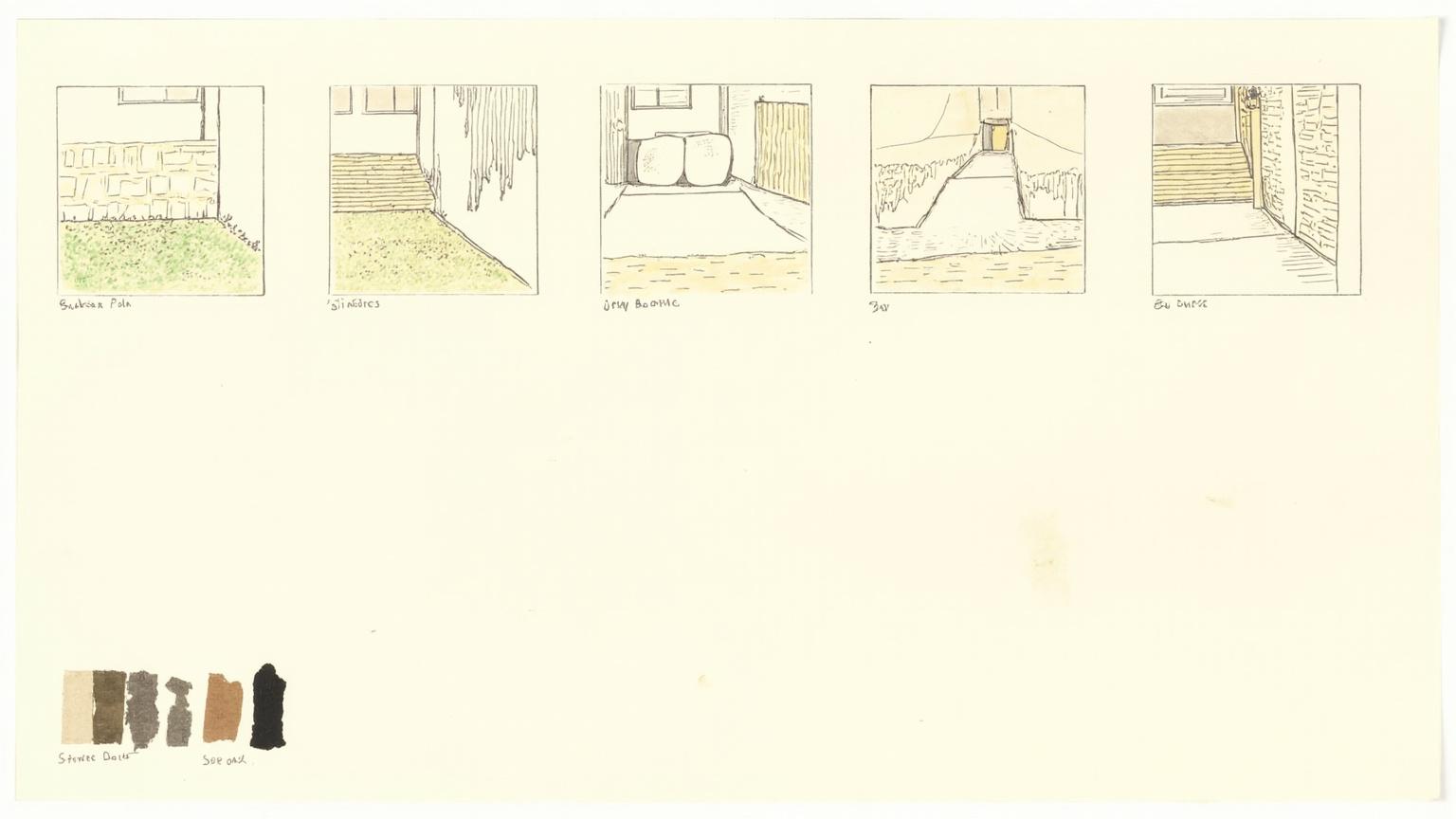
The whole world of the book shrinks down to a quiet residential pocket of Setagaya, Tokyo: back alleys, old-fashioned gardens, manhole covers, the glow of a convenience store. It looks like any ordinary corner of Tokyo, except that underneath it there's a well with no visible bottom.
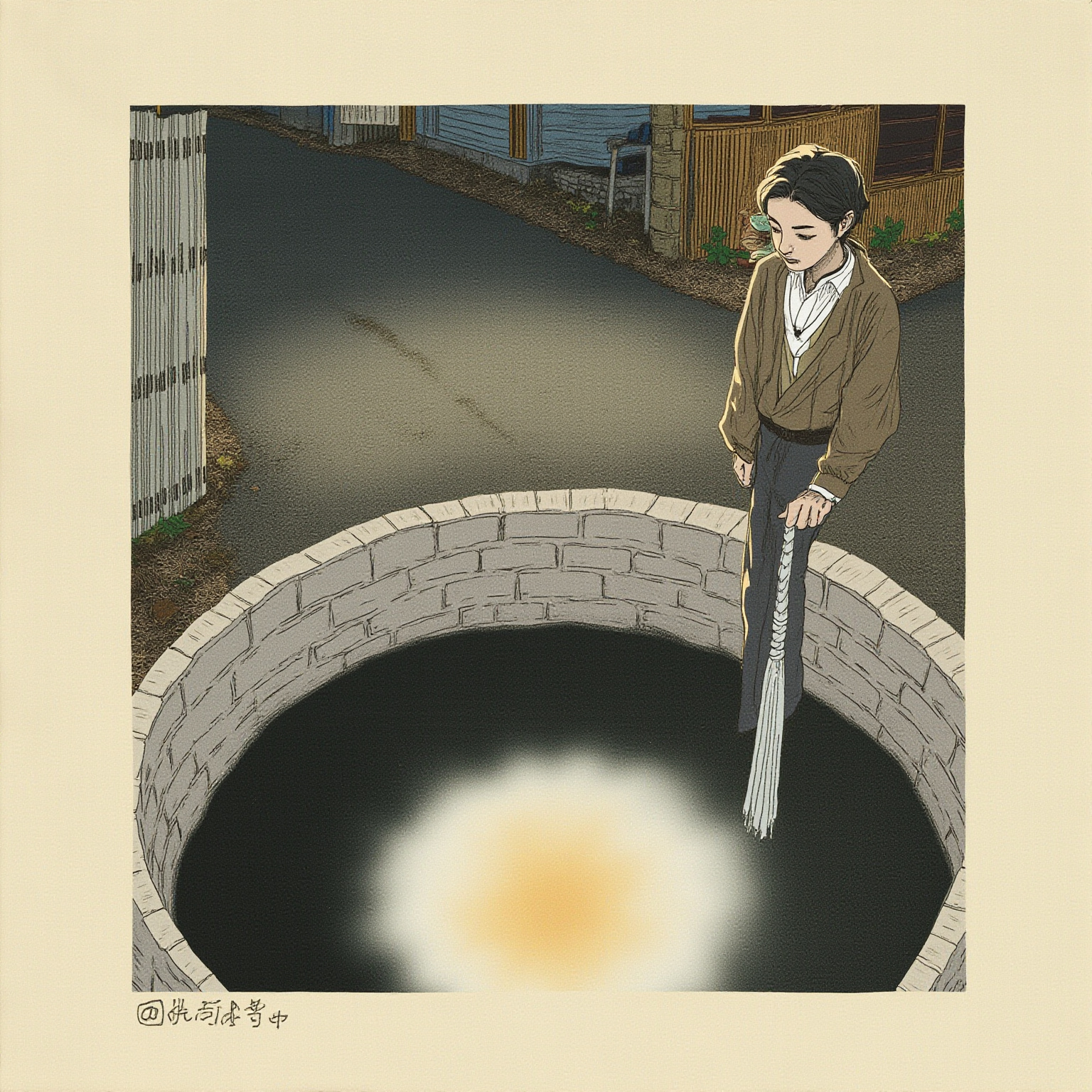
The world had contracted into a quiet residential block in Setagaya: alleys, old-style courtyards, manhole covers, the light of a convenience store. It looked like ordinary Tokyo. There was only one difference: underground, an invisible well with no bottom.
整个世界收缩成世田谷区的一片安静住宅区:小巷、旧式庭院、井盖、便利店的灯光。看上去和普通东京没有两样,只是地下多了一口看不见底的井。
金句 · 第二章 · 世田谷的世界
Plot: Leaning Down Toward the Bottom of the Well
At first Toru just wants to find out where his wife has gone. Phone calls, letters, a few unpleasant meetings wear his patience down bit by bit. Noboru Wataya works on him like an invisible hand, pushing him toward the edge of his own life — not with violence, but with a condescending certainty that makes Toru start to believe his life was wrong to begin with.
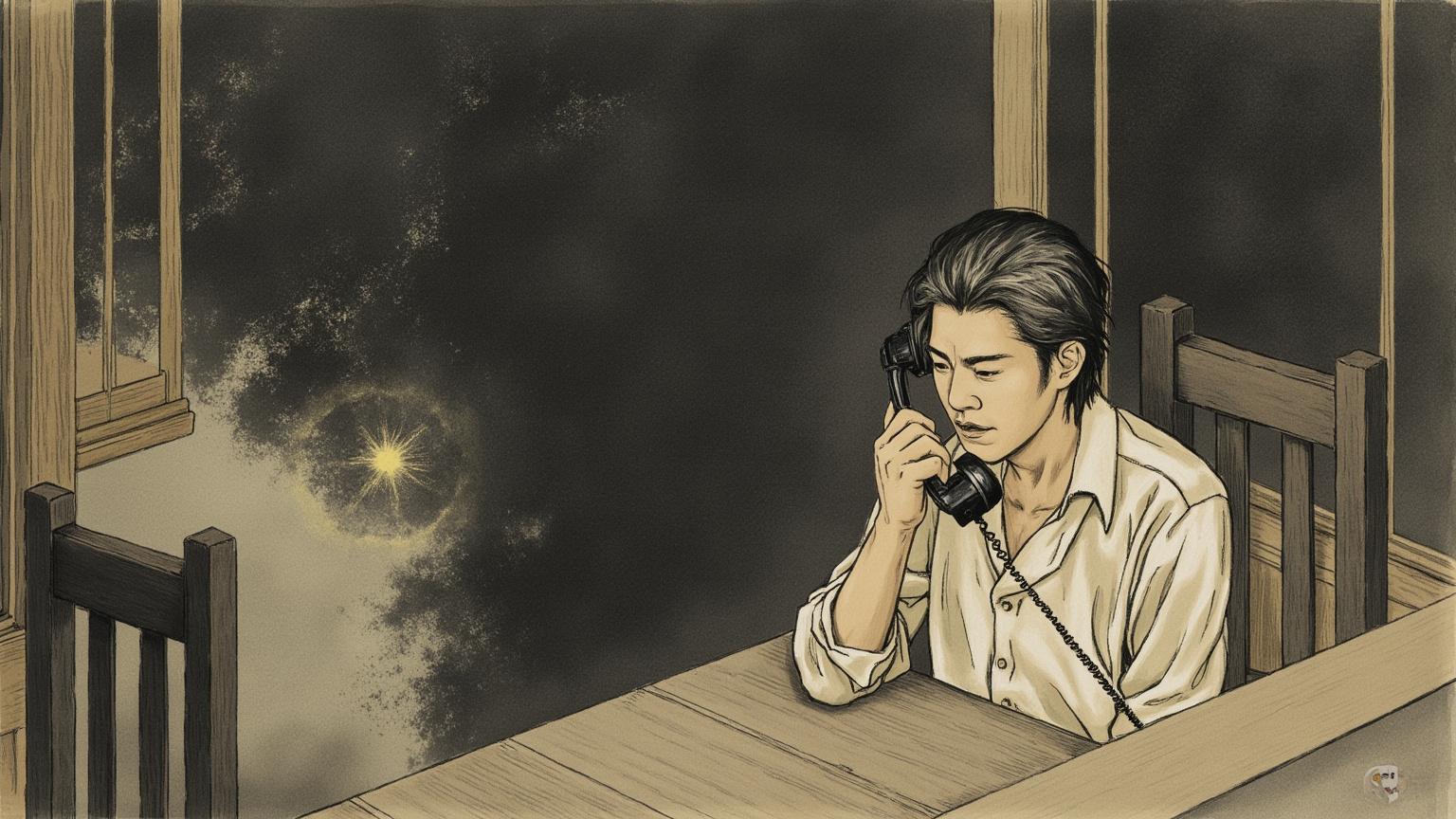
Not a man beating me, but a voice telling me, with perfect composure, that everything I had believed to be mine was never really mine at all.
不是拳头在打我,而是一个声音用居高临下的口气告诉我,我自以为是我的那些东西,其实从来就不是我的。
金句 · 第三章 · 来自电话那头的兄长
What actually changes his direction is Lieutenant Mamiya. Sitting in a darkness like the bottom of a well, the old man dictates to Toru what happened to him on the Nomonhan steppe in 1939 — on that scorched, bleached-white grassland along the Manchurian-Mongolian border, one night pinned the rest of his life in place.
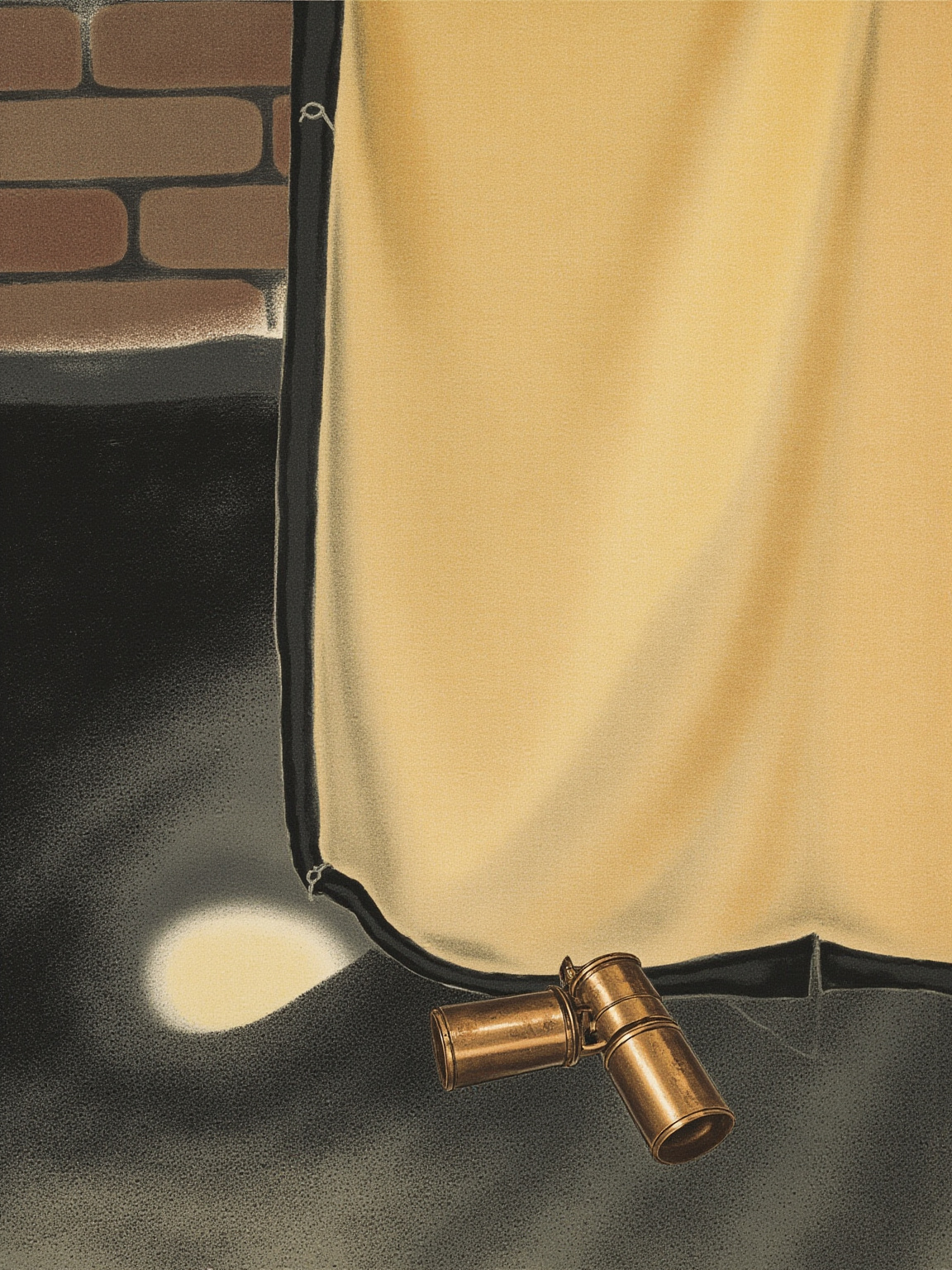
The heat was so white it seemed to erase the outline of things. The dry grass, the dented canteen, the cracked telescope — everything was bleaching into the same blank light.
热是惨白的,白得像是把世上所有的轮廓都抹掉了。枯草、凹瘪的军用水壶、摔裂的望远镜——所有东西都在往同一片白里褪。
金句 · 第七章 · 诺门罕草原
Murakami doesn't linger long on the steppe. He shows Mamiya sitting alone by a dry well where a Mongolian soldier stands watch, telling the story of that night to the empty air, over and over — telling it to an old canteen left in the grass, to a pair of shattered binoculars. That's how this piece of historical trauma gets folded up and carried back to Tokyo. Later it resurfaces as a well, right next door to Toru's own house.
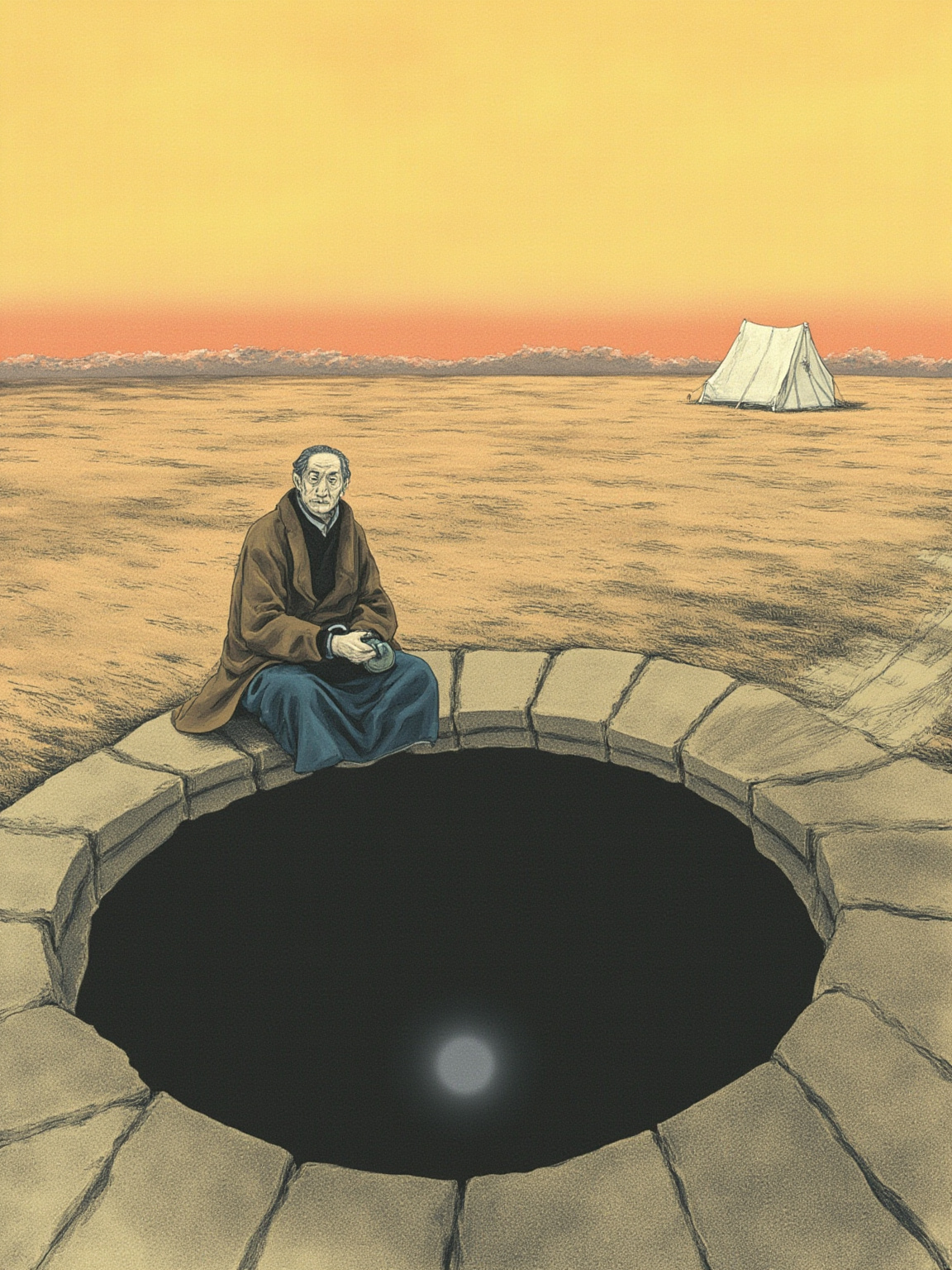
He sat alone by the dried-up well in the Mongolian steppe and told the story to the empty air, again and again. To the dented canteen. To the broken telescope. To no one.
他一个人坐在蒙古草原的枯井边,把那段事反复讲给空气听——讲给那只凹瘪的水壶听,讲给摔碎的望远镜听,讲给没有人在的地方。
金句 · 第八章 · 井边的口述
Mr. Honda, Toru's neighbor, is a lawyer who once traveled all the way to Manchuria to search for his brother's remains. He has kept watch over that well for most of his life, and he's the only person Toru knows who poses no threat at all. When he leads Toru to the well, it's as good as handing it over — from then on, Toru can look inside.
Toru climbs down into the well. The walls are mottled, a rope hangs down, and the bottom is nearly pitch black except for a small round patch of daylight far overhead. There he meets Creta — a naked woman who rises up out of the well water. Murakami never says who she is. She's simply the embodiment of that lower layer. Toru keeps trying to recognize Kumiko in her, and every attempt pushes reality another inch out of alignment.
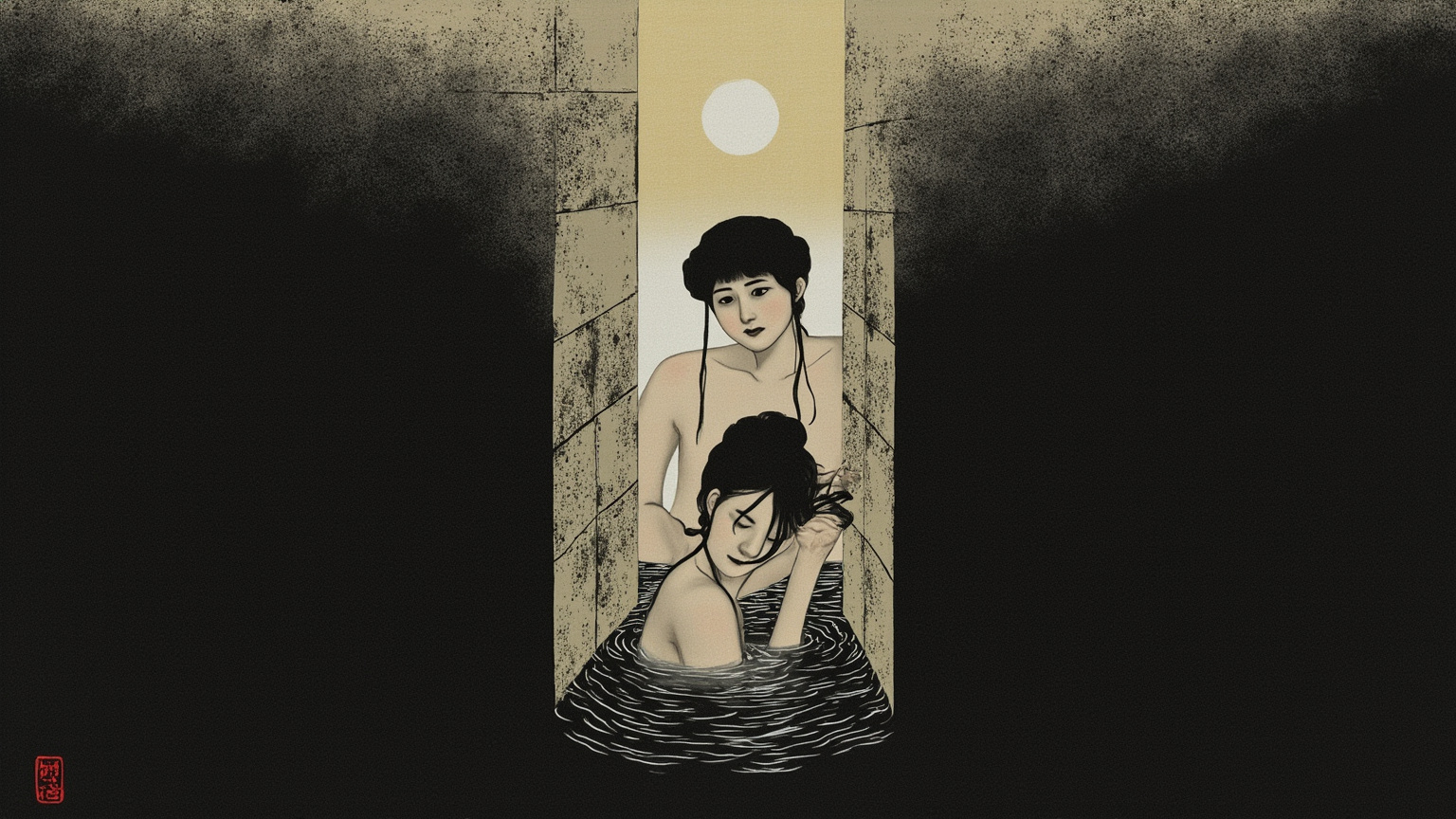
What's harder to sit through is the way the bottom of the well and his own bedroom keep sliding into each other. Toru can no longer tell whether he is lying in his own bed or still sitting in the well's darkness — the door between those two layers never stays shut for him. Three pressures bear down on him from three directions at once: Noboru Wataya holding forth on television, Noboru Wataya's voice turning cold again down the phone line, and Mr. Honda, who has just died.
The first time I read this far, I sat stunned for a moment too — Murakami isn't writing a missing-person case. He's making Toru lose the ability to tell which layer is real before he lets him try to find anything back.
By the end, Toru hasn't solved anything. He hasn't found Kumiko. He simply sits at the mouth of the well, waiting quietly for her to come back from the other side. This is the hardest thing about the book to accept, and the thing most worth remembering: it never closes.
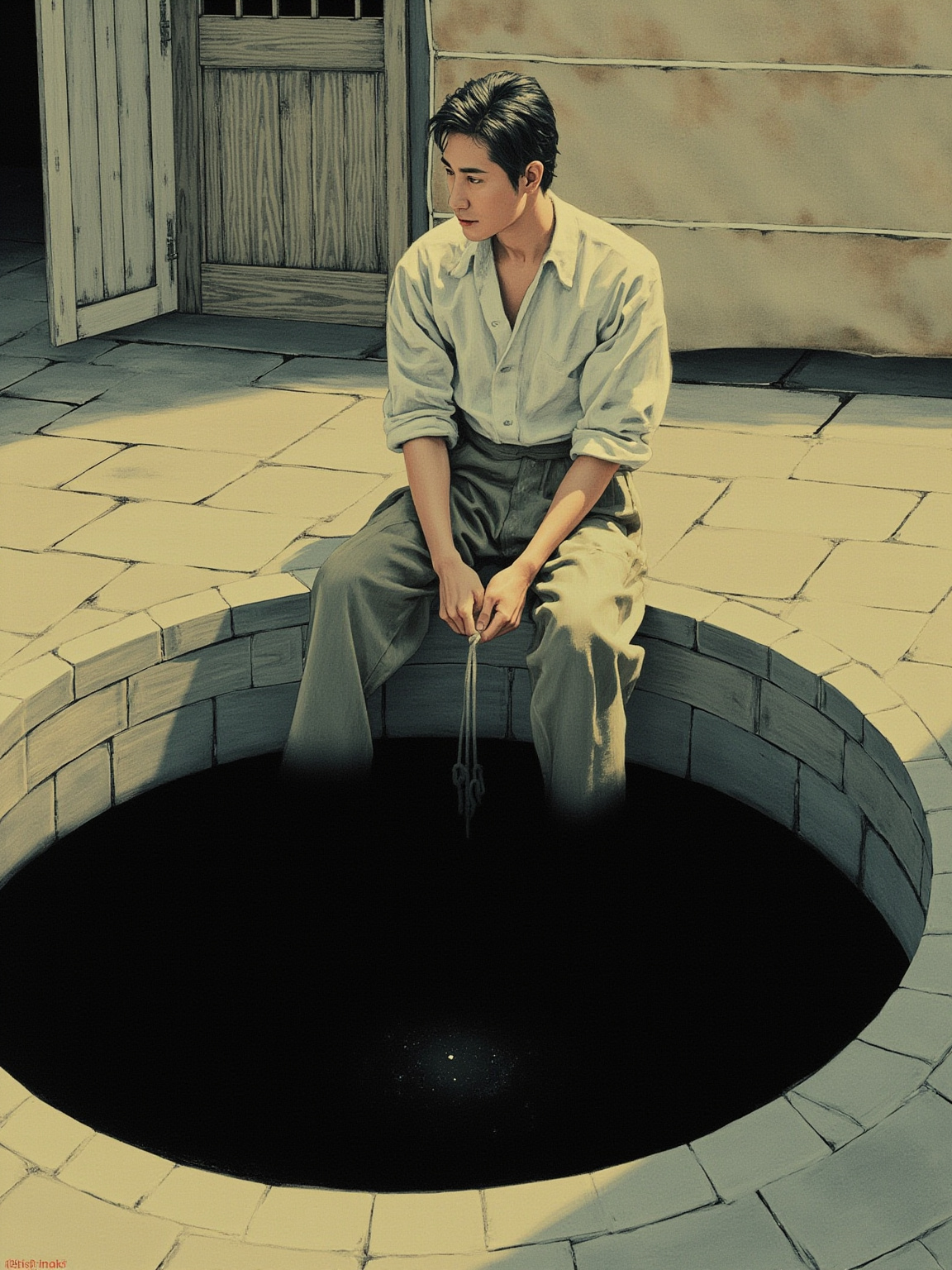
I sat down at the rim of the well and waited. There was no longer any question of finding her, or not finding her. There was only the well, and the small round sky above it, and the sound of my own breathing.
我在井口坐下来等。我不再去想找得到还是找不到她了。只剩下那口井,井口那一小片圆形的天,和我自己的呼吸声。
金句 · 尾声 · 井口
Theme and Craft: Murakami Turns Himself Over Through This Well
What The Wind-Up Bird Chronicle is really asking isn't where Kumiko went. It's whether an ordinary man, once the ordinary has been emptied out from under him, can put himself back together at all. The well is the shape of the answer: beneath any ordinary order there is always another layer, and historical trauma never stops seeping downward in some form or another.
The well is also the book's structure. The dry well in the Setagaya garden, the well on the Mongolian steppe with a soldier standing watch over it, the thin ring of daylight at the bottom — three spaces run through by a single well, start to finish. That visual spine is the real reason this book gets read again and again.
Lower the rope and the bottom of the well is black; sit at its mouth and 1980s Tokyo is at your back, 1939 on the Mongolian steppe under your feet — two temperatures pressing down on one pair of shoulders at once.
This image of Toru as an incapable pursuer becomes the template for every Murakami protagonist after him — not a hero, not a detective, just a man whose life has been hollowed out and who has no choice but to lean down over the well.
Why Read the Novel: The Layer No Explainer Can Give You
An explainer can tell you where the well is, why it gets dug, who's sitting at its mouth waiting for you. But there's one thing it can't give you. Alone at night, turning the pages, when Murakami writes the scorched, bleached-out yellow of the Nomonhan grassland, a chill runs down your back on its own; when he writes Toru at the bottom of the well grabbing for the rope, missing, grabbing again, missing again, your shoulders tense up right along with his.
That physical sensation only fits inside three volumes of actual prose. Knowing the ending going in doesn't ruin it — it lets you hear more clearly what Murakami's sentences are doing. He writes every layer of dislocation so steadily, and so unsettlingly, steady enough that you can hardly believe it, unsettling enough that you want to climb down into the well yourself.
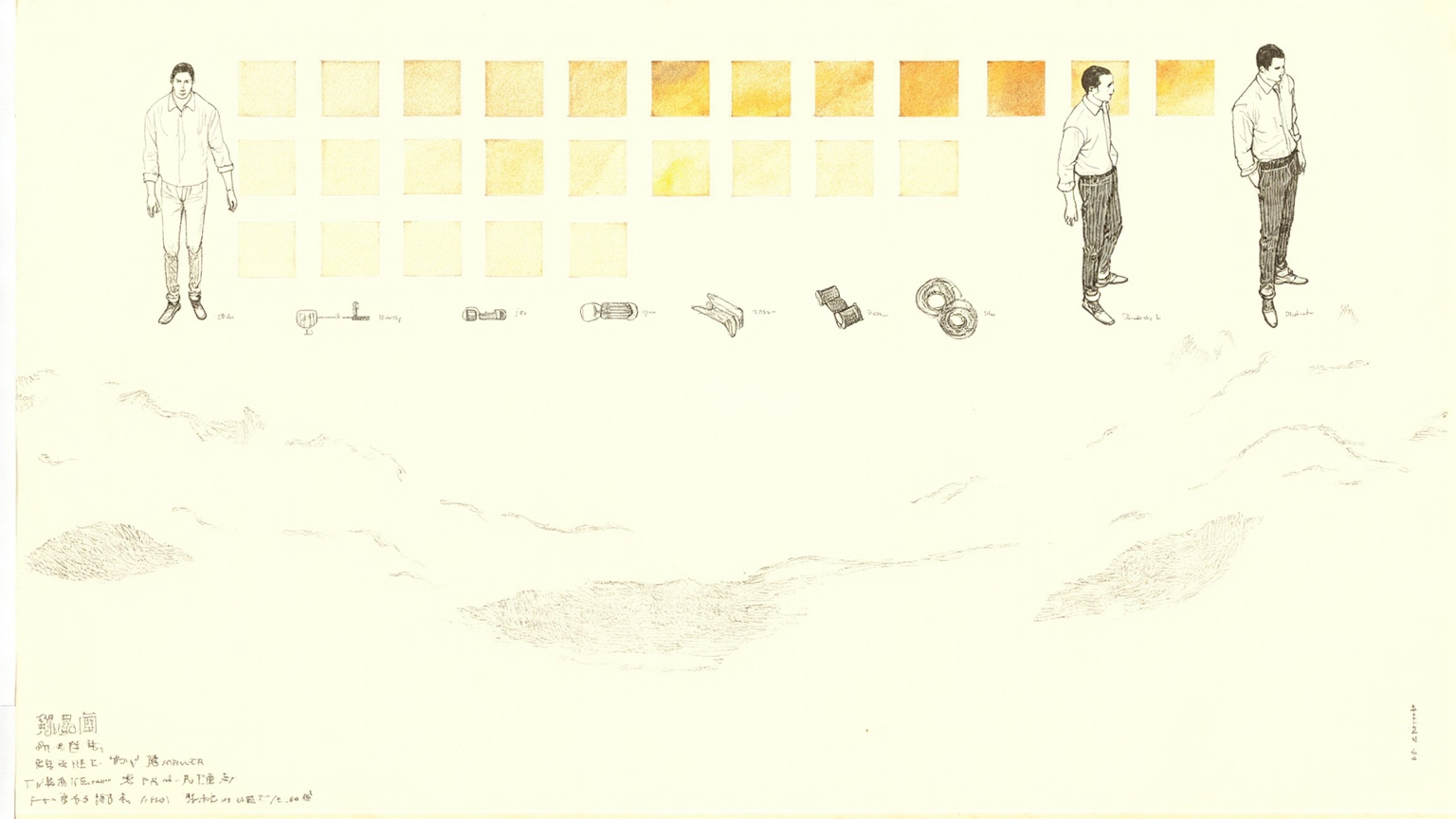
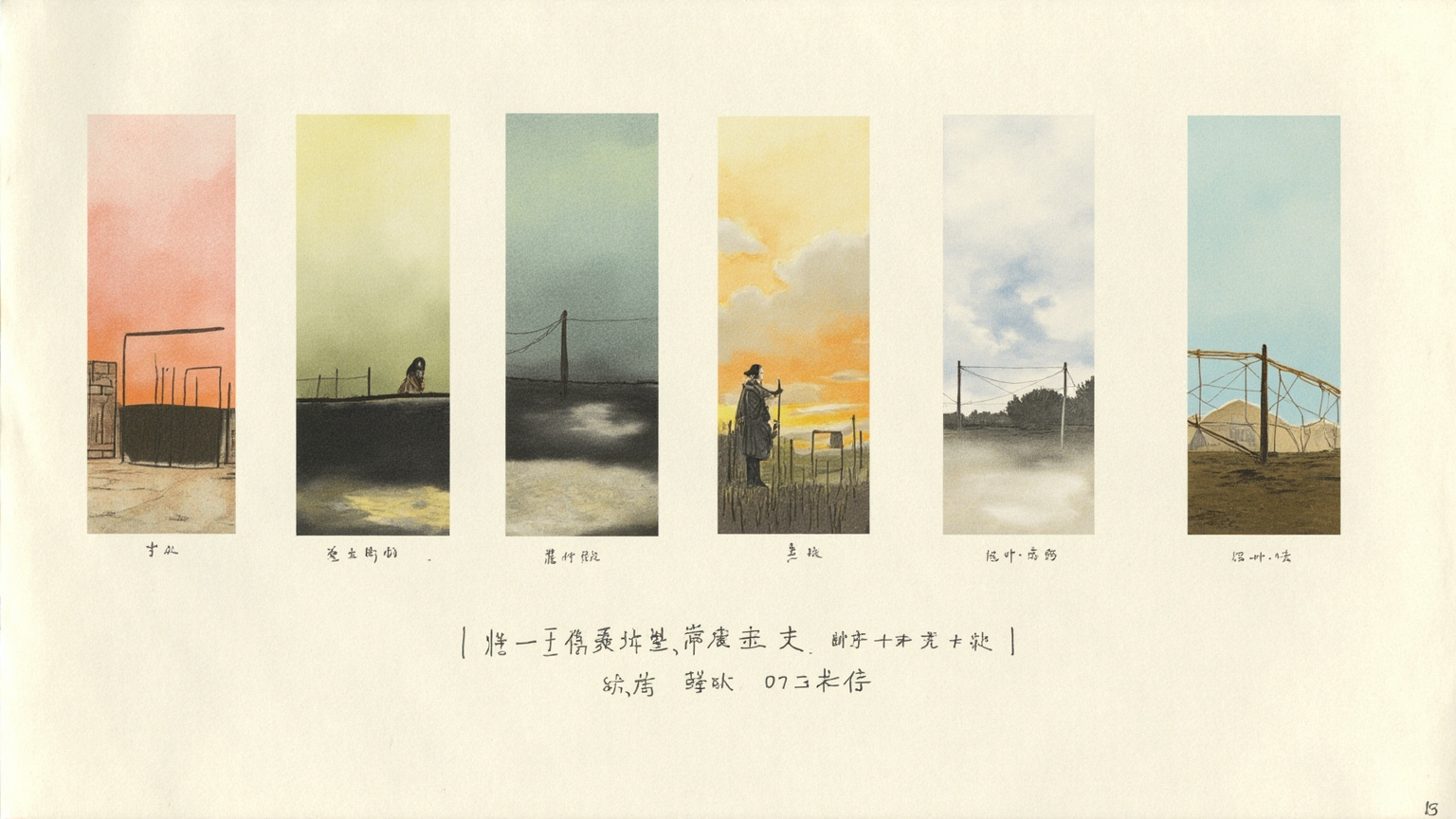
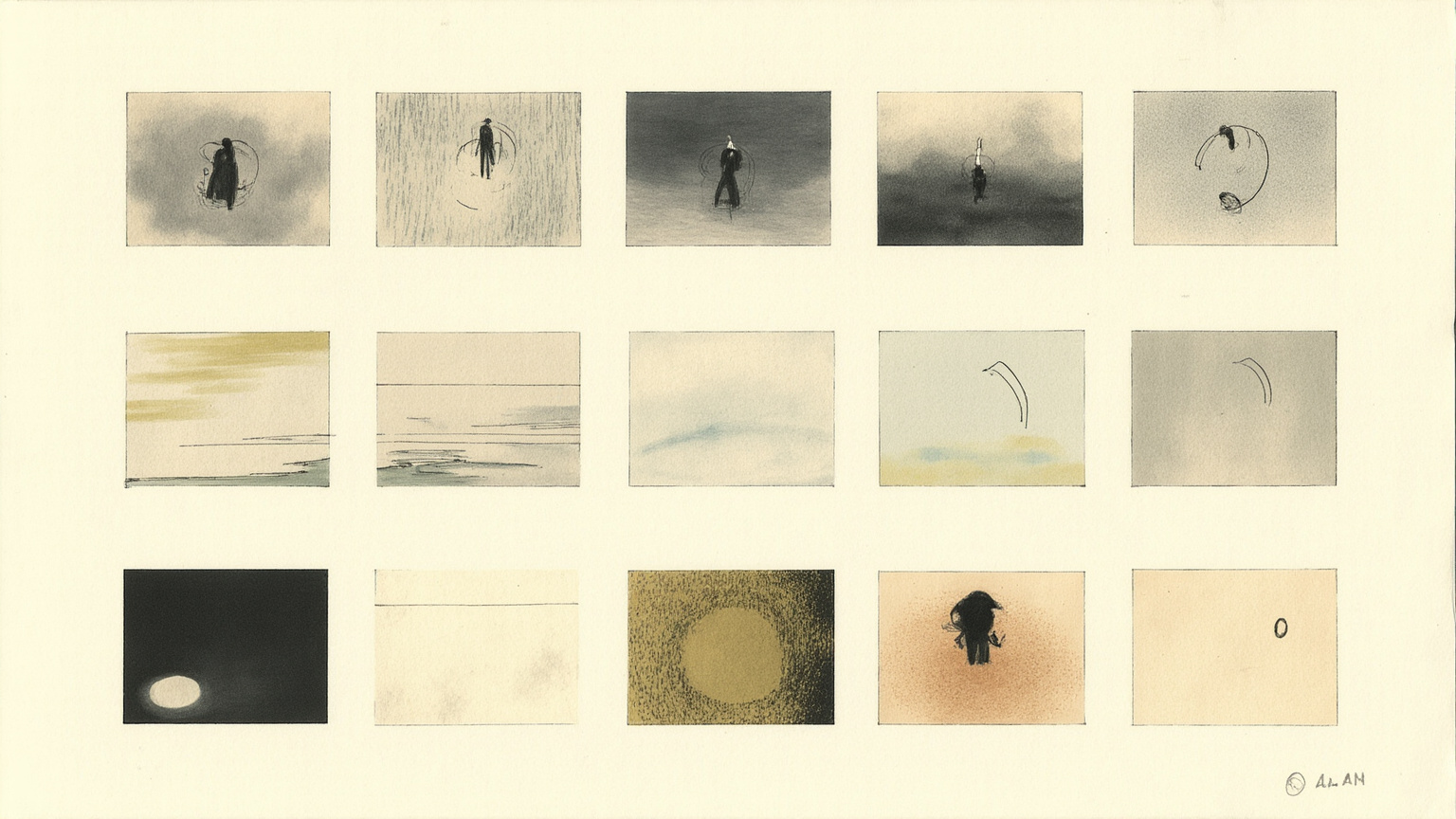
Art Direction4 plates
Before the guide was written, this book got a visual foundation — every illustration you just read grew out of it.