Zaynab (Arabic: زينب; full title: Zaynab: Manazir wa'akhlaq rifiyyah / Country Scenes and Morals) · Companion Guide
宰奈卜
一个尼罗河三角洲的农家姑娘,被三个男人的目光困在棉田与包办婚姻之间,在肺病里无声枯萎——这是第一本现代阿拉伯小说。
Opening
The morning mist hadn't lifted before the sound of drawing water rose from the cotton fields. Under the fig tree at the village entrance, a girl named Zaynab walked past carrying a water jug, trailed by two men's eyes — one belonged to Ibrahim, the tenant farmers' overseer, the other to Hamid, the landowner's eldest son, just back from studying law in France. She had no way of knowing that these two men, together with a third, would twist her short life into a rope that only pulled tighter.
What she knew even less was that the man writing this story was sitting, at that very moment, in a student room on the Left Bank of the Seine, looking back across the whole of the Mediterranean at that same cotton field. He sealed the manuscript in an envelope, signed it with the pen name An Egyptian Peasant, and had it printed at his own expense. The year was 1913. The book was called Zaynab, and it would later be counted as the first modern Arabic novel.
What kind of book this is
The author was Muhammad Husayn Haykal, born into a landowning family in rural Egypt, still in his early twenties when he went to study law at the Sorbonne in Paris. He wrote the book while he was a student there, and it was published in Egypt in 1913 at his own expense. The Nile Delta village in the novel is his own childhood village; the pen name An Egyptian Peasant carries the same idea — it took leaving home for him to write his homesickness, and he wrote it in finer detail than he ever managed while he was still there.
Before it, the orthodox form of Arabic narrative was the maqama — short classical pieces built on ornate rhymed prose and verbal cleverness, their heroes moving between courts and marketplaces, living by their wits and their tongues. Zaynab swapped that setting for cotton fields and irrigation canals, swapped the hero for a farm girl who steals glances up from her work, and swapped the rhymed prose for dialogue in Egyptian colloquial Arabic. It was this book that gave Arabic fiction its line of village life, daily routine, and private feeling.
People and world
Zaynab is a farm girl, young and beautiful, the point where three men's eyes converge. The one she actually loves is Ibrahim, the tenant farmers' overseer — a young foreman from the same laboring, cotton-growing class as her, close enough in station, and still with no power to decide on his own to marry her. Hamid, the landowner's eldest son, has just come back from studying law in France, his head full of new ideas, and the way he looks at Zaynab carries a heat the village has never seen in a city man. The third man is Hasan, a well-off farmer from the next village over, and it is to him that her family finally marries her off — a match arranged by the two families from start to finish, with Zaynab given no say and Hasan never once asked whether he wanted a wife whose heart belonged to someone else.
The story is set in the Nile Delta countryside at the start of the twentieth century — not ancient Egypt, not the streets of Cairo, no pyramids, no mosque interiors. Cotton fields, irrigation canals, the fig tree at the village edge, the canal under moonlight, a dirt grave: these are the handful of things the book keeps circling back to, and they make up the entire set of Zaynab's short life. Women had to veil before going out, draw water before daylight, keep a distance when speaking to a man. None of that is background. It is the rule. It is the cage.
The scene in the cotton field
The three of them knew each other inside a closed village, and whatever formed between them formed quietly. Hamid, back from abroad, walked his family's land as custom required; Ibrahim led the tenant farmers out to the fields every day; Zaynab drew water at the field's edge. Glances led to words, words led to talk, and the village started talking.
Then something happened at the edge of the cotton field. Hamid made a move on Zaynab — the details don't need spelling out, only that the landowner's eldest son crossed a line. It is the hinge the whole book turns on: a tear opens in the village's order and its sense of face, and from then on Zaynab is caught in the tangle among three men with nowhere to hide. Hamid himself is shaken enough by what he's done that he leaves for years. Ibrahim stays in the village, watching her, not daring to come near.
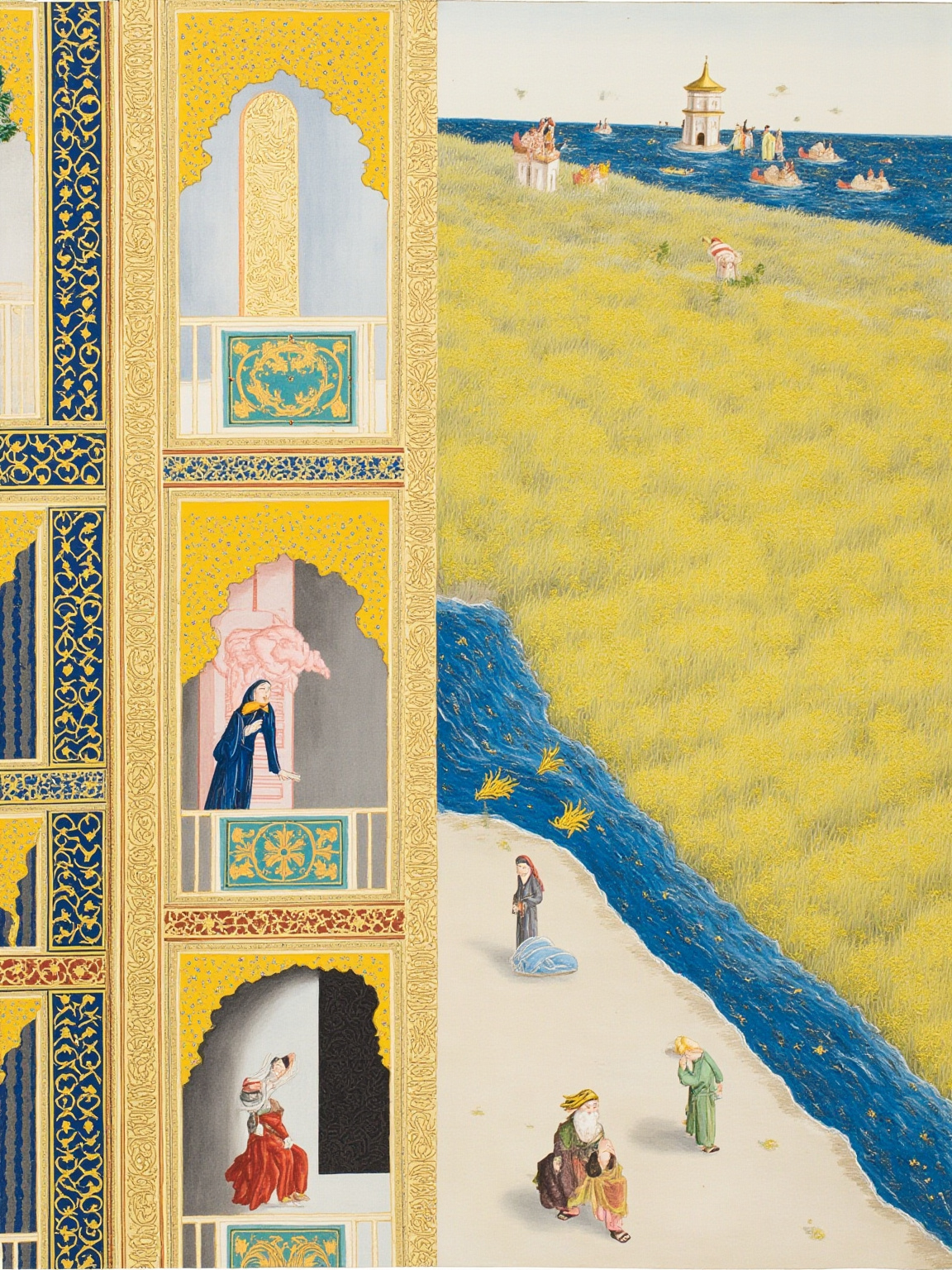
He did what a man must not do; and from that moment the village could no longer be put back together.
他做了一件男人不该做的事;自此以后,那座村庄再也拼不回原来的模样。
金句 · 棉田一幕 · 转折之章
As craft, this is Haykal's sharpest cut: he doesn't turn Hamid into a villain, and he doesn't turn Zaynab into a victim. One act pins all three of them into positions none of them can escape. The young master carries a debt to his conscience from then on, the overseer can watch her but never speak again, and the girl becomes the thing the village talks about. One line crossed, and all three are finished.
Two people in love, kept apart by station
Ibrahim's feeling for Zaynab is real. His trouble isn't a lack of love, it's a lack of standing to act on it — an overseer falling for a girl in the same village was never really a question of class, but of the fact that he has no right to speak up. Marriage in the village is arranged by parents, full stop, and whatever passed between him and Zaynab in a glance is worth nothing at the negotiating table.
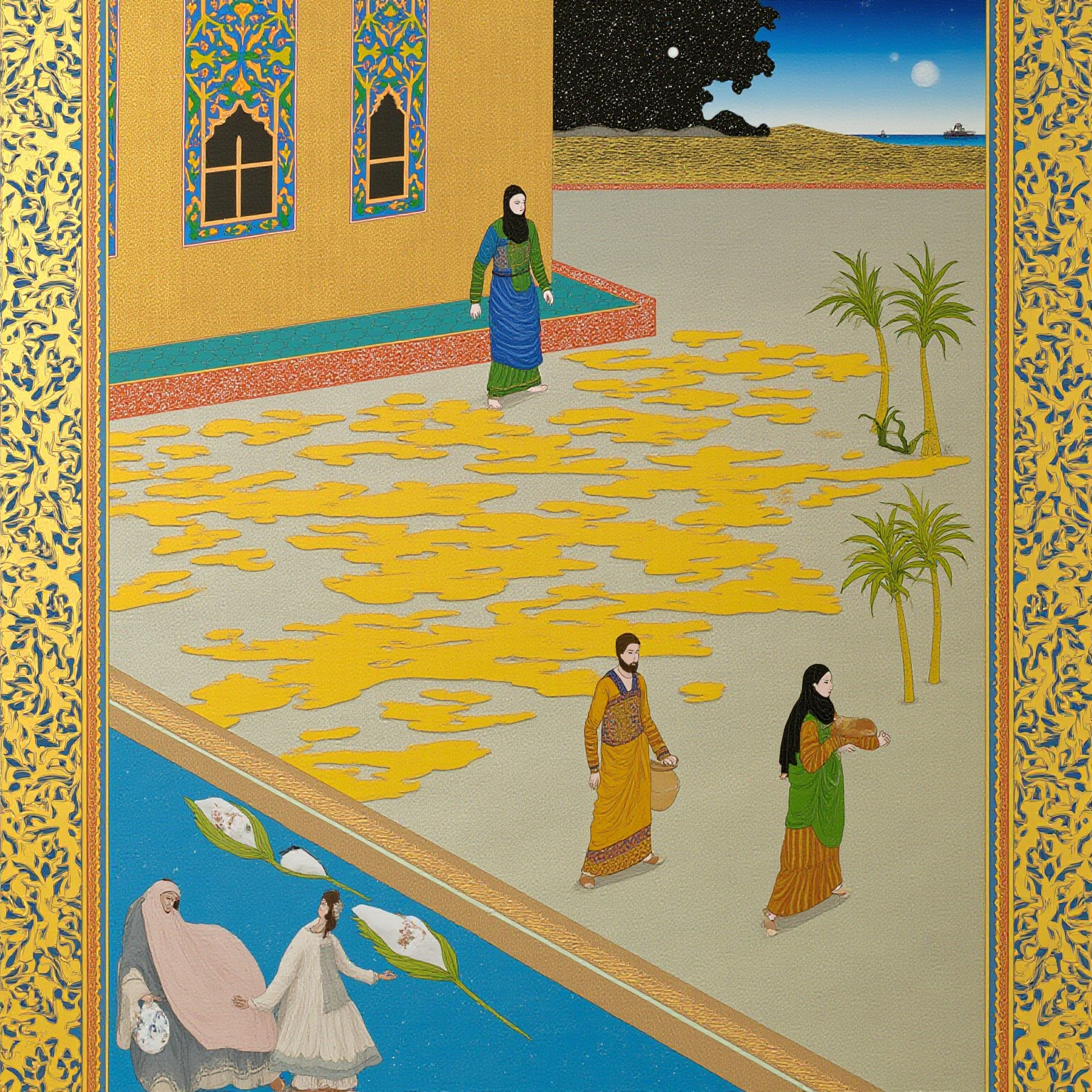
He had no right to speak; what burned in him was a silence that grew heavier every season in the cotton fields.
他没有开口的资格;压在胸口的只有沉默,一季比一季更重地长在棉田里。
金句 · 易卜拉欣的守望
All he can do is wait it out. Wait and watch her family arrange her courtship, wait and watch her pushed, step by step, toward another man. He barely gets a single unguarded line in the whole book — it's all silence. But that silence is exactly what gives Zaynab's leftover feeling, after she marries, somewhere to land. Haykal writes silence harder than he writes confession, and it's a restraint later Arabic novels rarely manage again.
The wedding that wasn't hers
The family's arrangement goes through. Hasan is a well-off farmer from the next village, not a bad man, and not even the man she fails to love — but that's the whole logic of an arranged marriage: suitability outweighs love, and custom outweighs the heart. Zaynab submits to the wedding, submits the way she has been taught to submit her whole life.
The book doesn't spend much on the pageantry of the wedding, and Haykal is smart to save his effort: writing the festivities would only have exposed how green he was at that kind of scene. What he writes instead is Zaynab sitting alone in a room before the wedding, staring at nothing; her mother straightening her veil again and again; Ibrahim out in the fields, listening to the drums from a distance. A few strokes are enough for a wedding when the reader already knows who the bride is, and who isn't the groom she wanted.
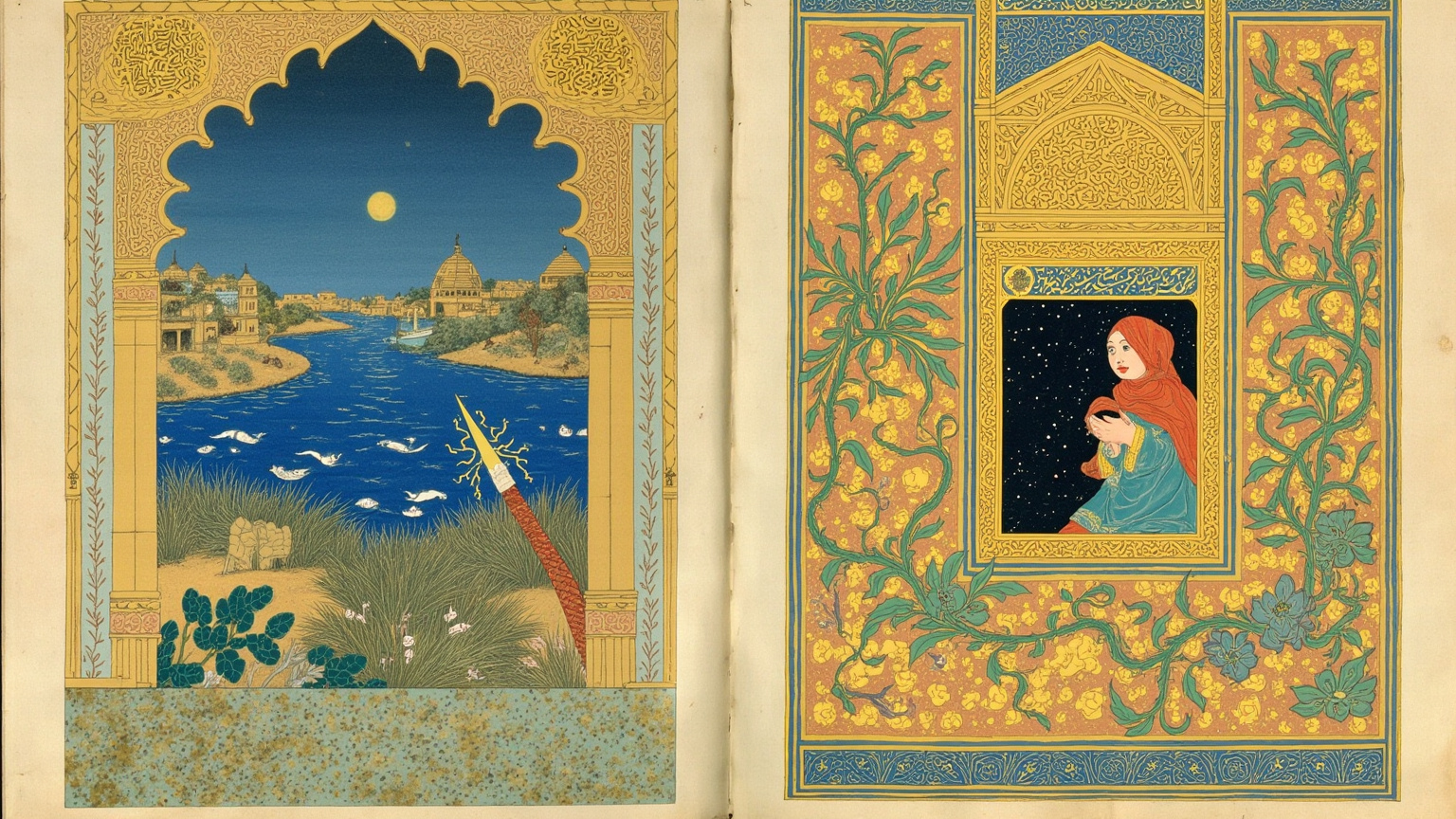
She was married, as she had been taught — obediently, like one raised to bow before the household's will.
她顺从地成了婚,像她从小被教导的那样——低着头,听凭家里做主。
金句 · 包办婚姻之章
Hasan is not the villain. This is where the book is most often misread: paint Hasan as the bad guy, and the whole target of the book's critique slides back from the system to a person. Hasan, like Zaynab, is someone the arranged marriage has pushed into the same bed, and he had no more choice in it than she did. What Haykal does here is lift the question from who is at fault to who gets to decide for other people.
The wasting away after marriage
Once she is married, Zaynab's mind stays with Ibrahim and nowhere else. The mist still rises at the village edge, the cotton fields are still green, and she grows thinner by the day regardless. Tuberculosis, in the Egyptian countryside of that era, was a slow blade, wearing a person down without ever showing its hand. She isn't killed by cruelty, she is dried out by the days themselves. Haykal writes her decline like a season changing, like water in the cotton fields being drawn off, little by little, by the sun.
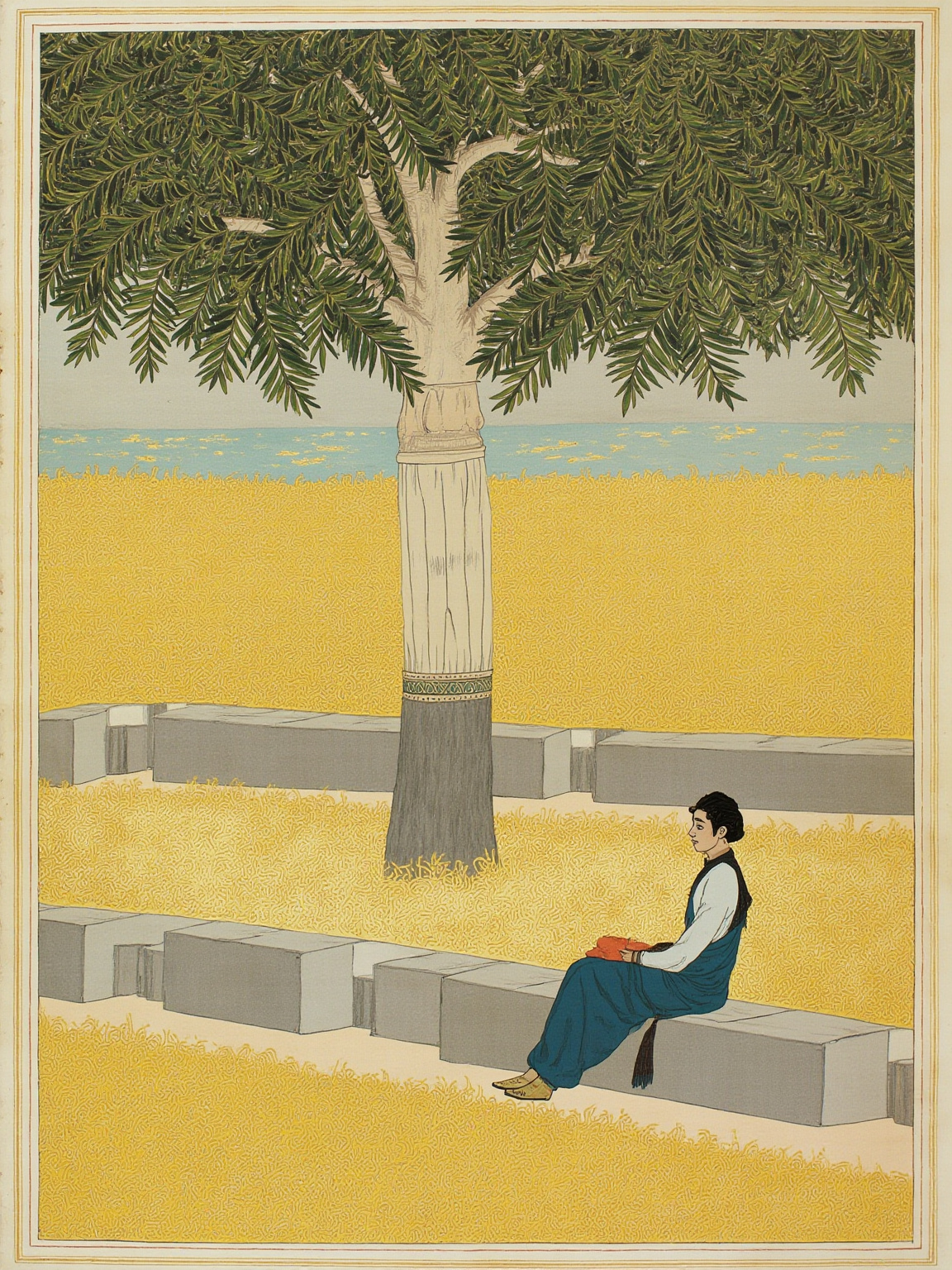
The mist still rose over the village, the cotton still stood green, and she grew thinner day by day, consumed as the seasons consumed her.
村口的雾照旧升起,棉田照旧一片青绿,她却一天比一天瘦下去,被日子一寸一寸地熬干。
金句 · 凋零之章
The first time I read this section, I went back and reread the previous page. Haykal doesn't have her cough blood, doesn't have her cry out against the injustice, doesn't send her looking for Ibrahim. She just sits there, losing a little strength every day. It unsettles me more than any scene of open grief would.
A letter that amounts to nearly the whole book
Hamid, gone all this time, comes back now — not in person, but by letter, a long one that retells everything that came before from his own point of view. The letter is famously loose in structure, almost the author retelling the whole novel a second time through Hamid's mouth. Critics call it a structural imbalance; admirers call it an emotional closing the book needs.
Read it as a confession and it makes sense. Hamid knows that what he did years ago rewrote three lives, and the only penance available to him is to lay the whole thing out plainly. Telling it straight isn't the same as taking responsibility, but if he can't even manage that, he owes that cotton field an explanation forever. The clumsiness of Haykal's device is close to honesty, and the honesty is what gives it its force.
She is gone
Tuberculosis takes Zaynab, young. There is no deathbed closeup in the book, no long last words, only the wasting away — and through one girl's wasting away, a full accounting of arranged marriage, the veil, and the confinement of women. Her death isn't a lover's sacrifice, and it isn't defiance. What's left is the last breath of someone the system has used up.
When Haykal wrote this passage in Paris, the Seine was outside his window and the cotton fields of the Nile Delta were on his page. A student in his early twenties, through one village girl dead too young, put generations of Egyptian rural women's lives into the first modern Arabic novel. The weight of that only becomes clear looking back from here.
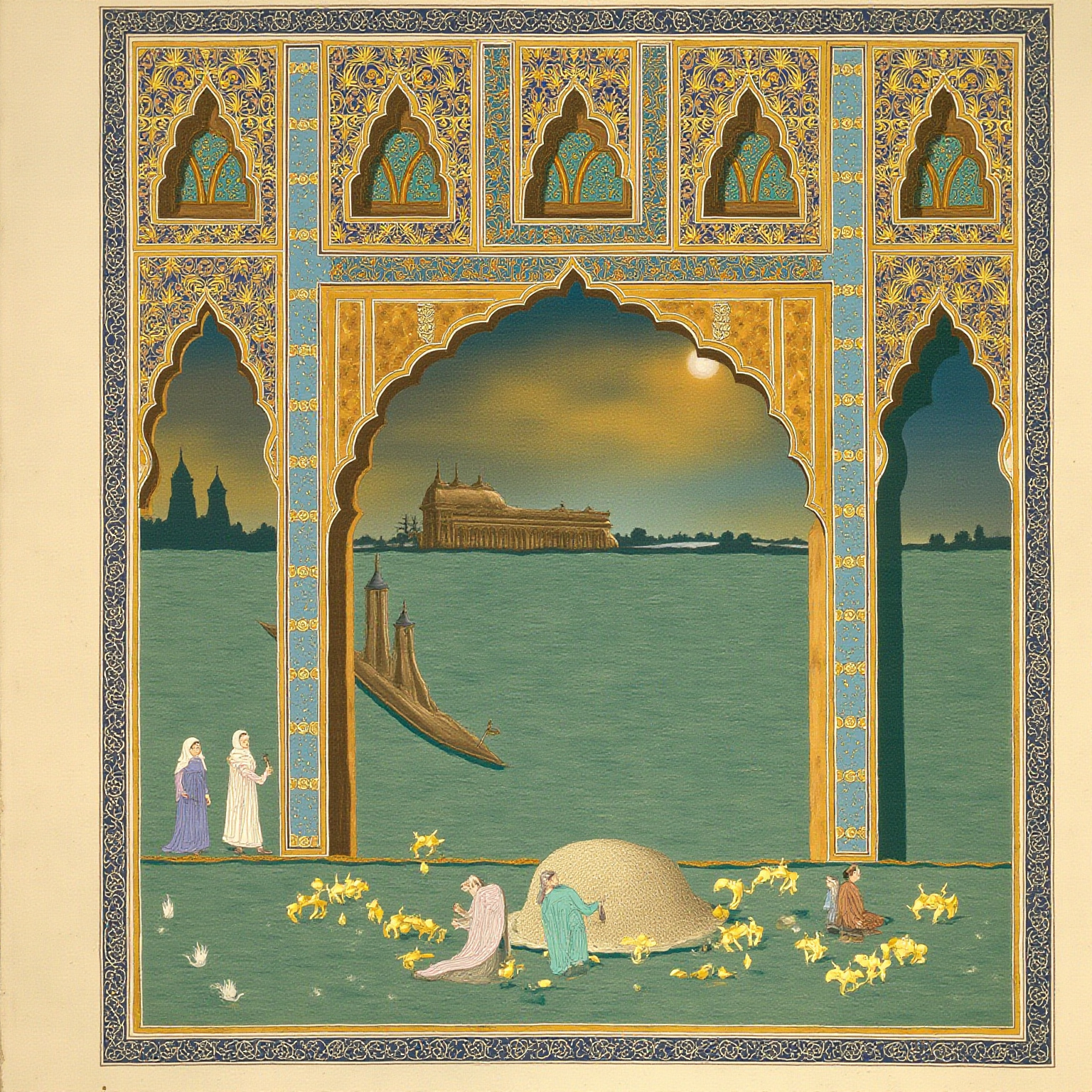
Her death was no martyrdom, no protest — only the last breath of a girl exhausted by the life laid out for her.
她的死不是殉情,不是反抗——只是一个被安排好的人生耗尽之后,吐出的最后一息。
金句 · 终章 · 凋零成书
Why it is remembered
First, it is the first modern Arabic novel — a title loud enough on its own, though what actually keeps the book alive is what it opened up, not the title itself. It brought Egyptian colloquial Arabic into a novel's dialogue for the first time, and only from then on did characters in Arabic fiction start talking like people instead of performing in classical rhymed prose.
Second, it set the conflict between private feeling and social custom as a theme Arabic fiction would keep writing for the next hundred years. Arranged marriage, the veil, the confinement of women — Zaynab was the first Arabic novel to put these into the form. When the generation of Taha Hussein and Naguib Mahfouz later wrote about villages, about women, about the old order, none of them could get around the ground this book had already broken.
The hook to send you to the text
The story is told now, but what makes Zaynab worth reading was never the plot — that's just a handful of threads, and they're spent. What's worth having is the density of the cotton fields and the morning mist, the tone of voice that let Egyptian colloquial Arabic breathe in a novel for the first time, the restraint bordering on heartache in the way Haykal writes home while sitting in Paris. None of that reaches you except line by line, in the text itself. Go back to it now that you know how it ends, and you'll hear a different kind of breathing in the book: a student in his early twenties, across a whole sea, writing to a village he can never go back to.
Zaynab's decline is not a tragedy. It is a bill — generations of Egyptian women's lives, tallied by Haykal into the breath she loses too young.
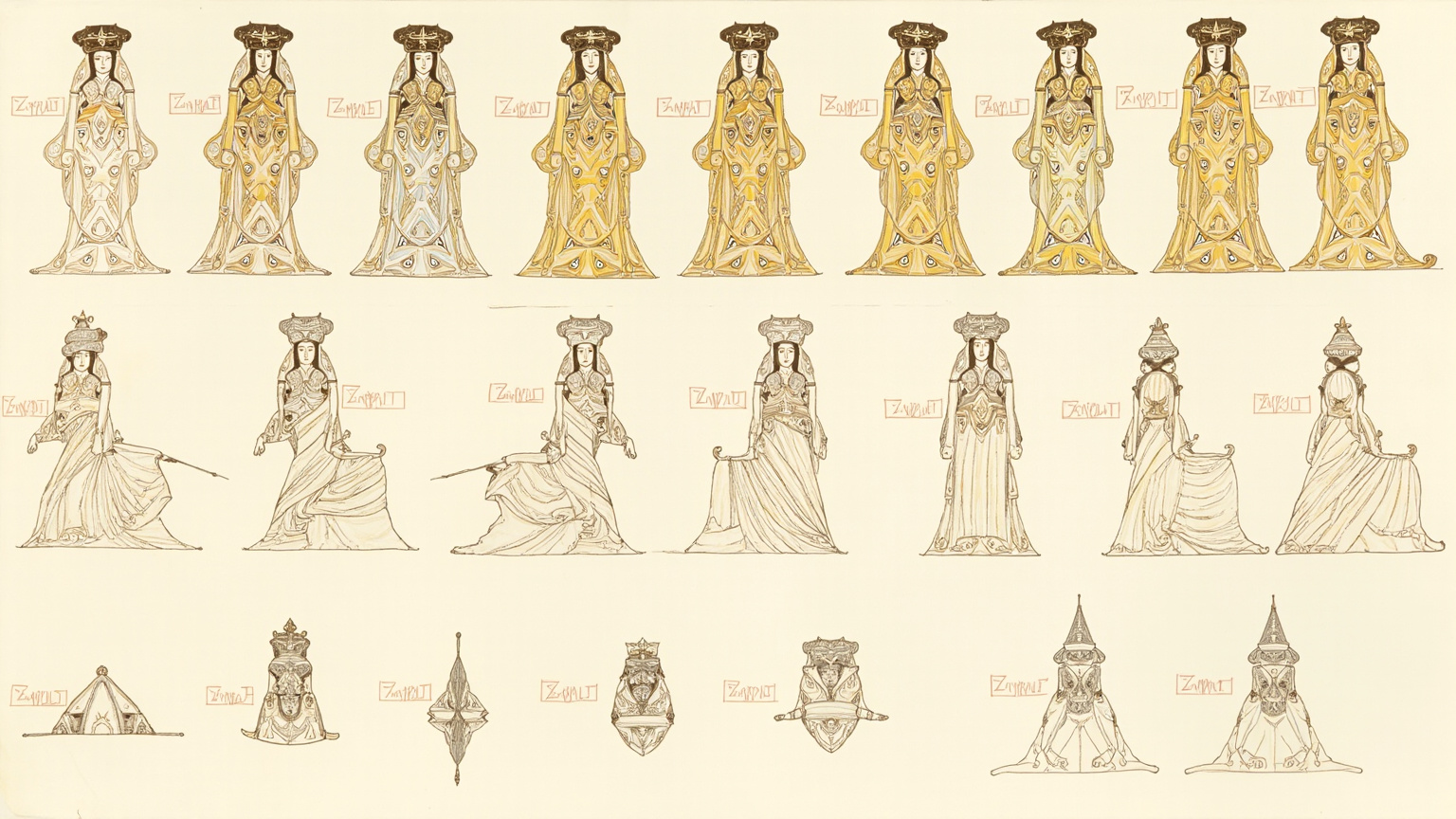
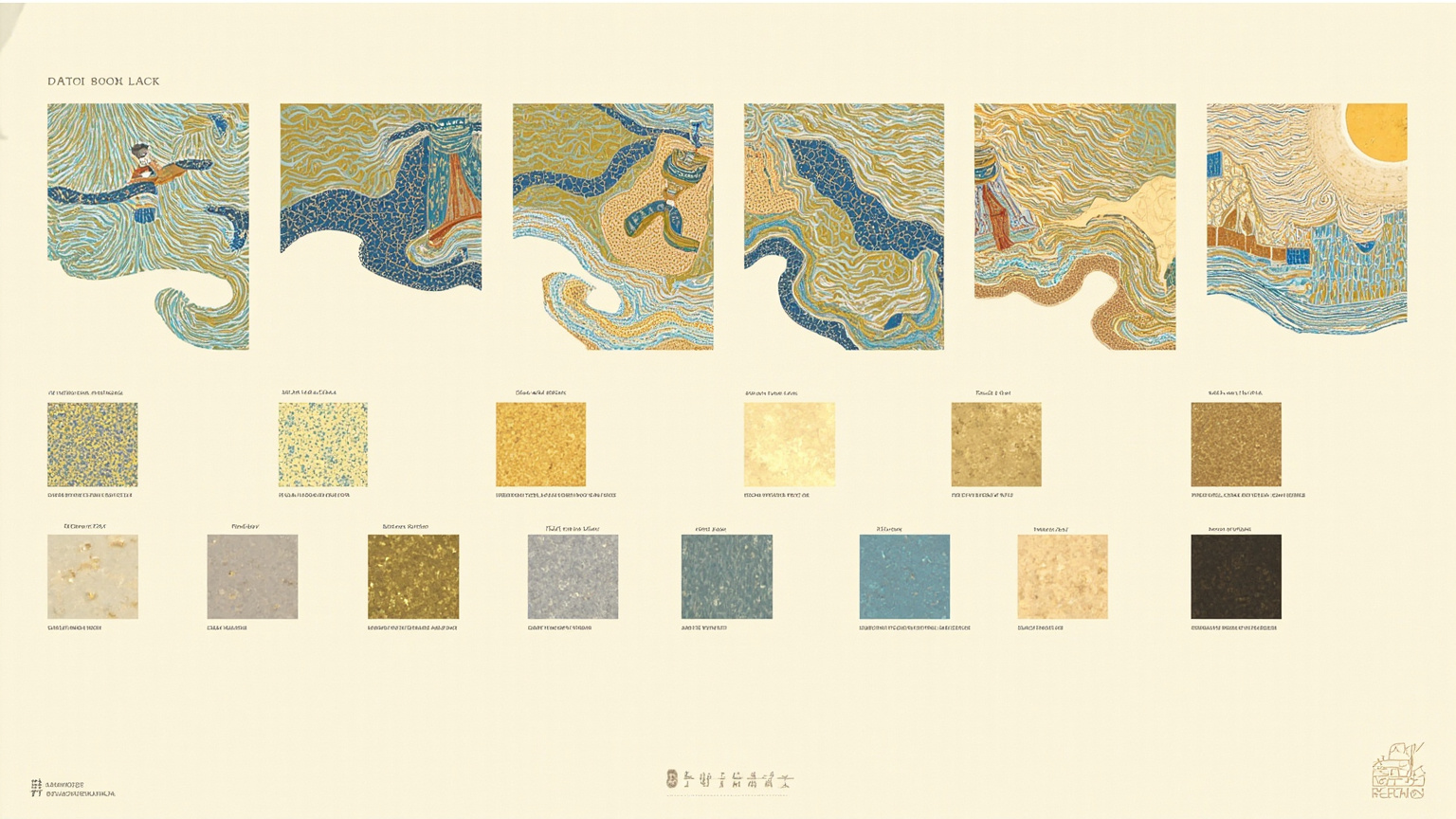
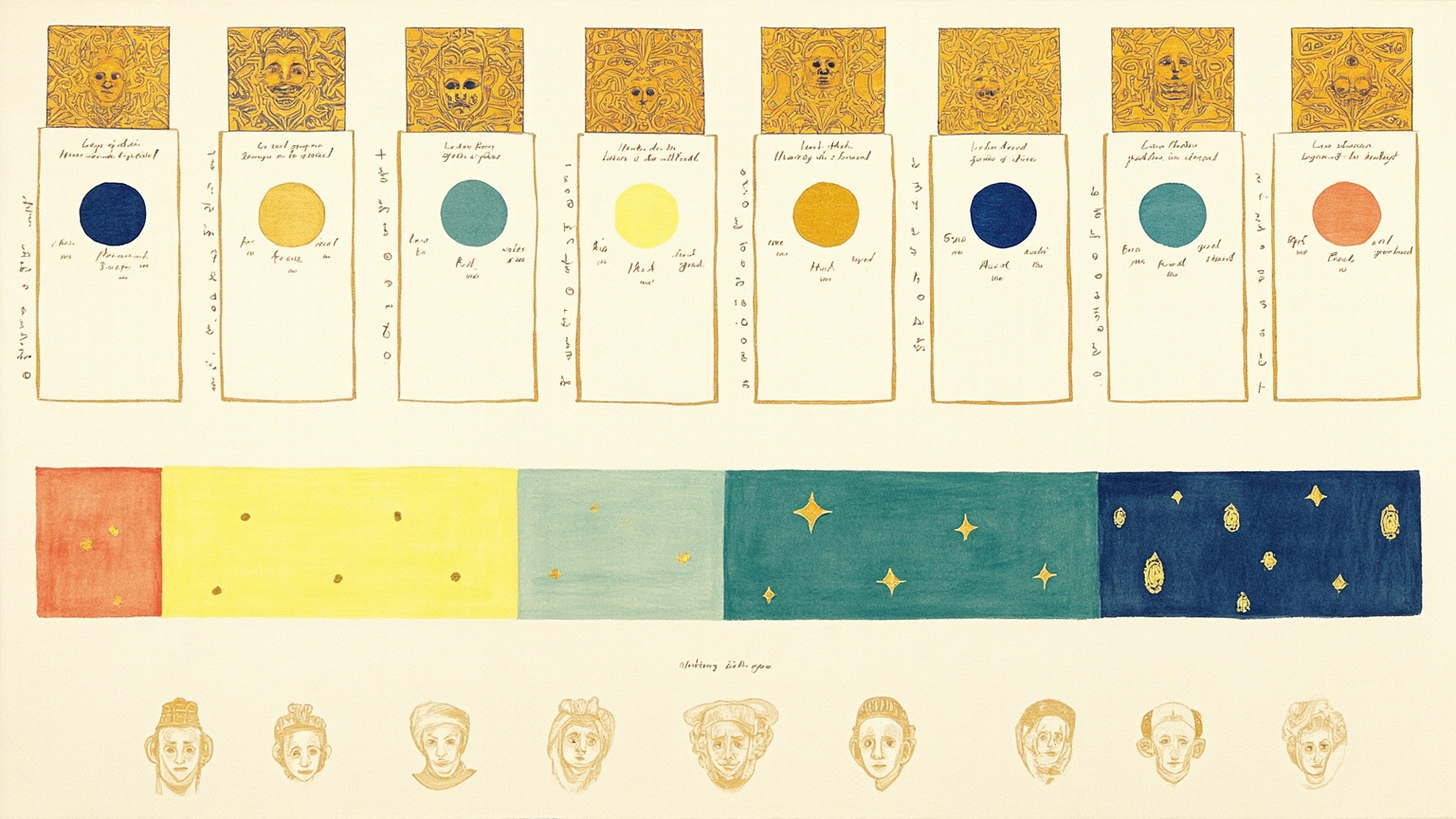
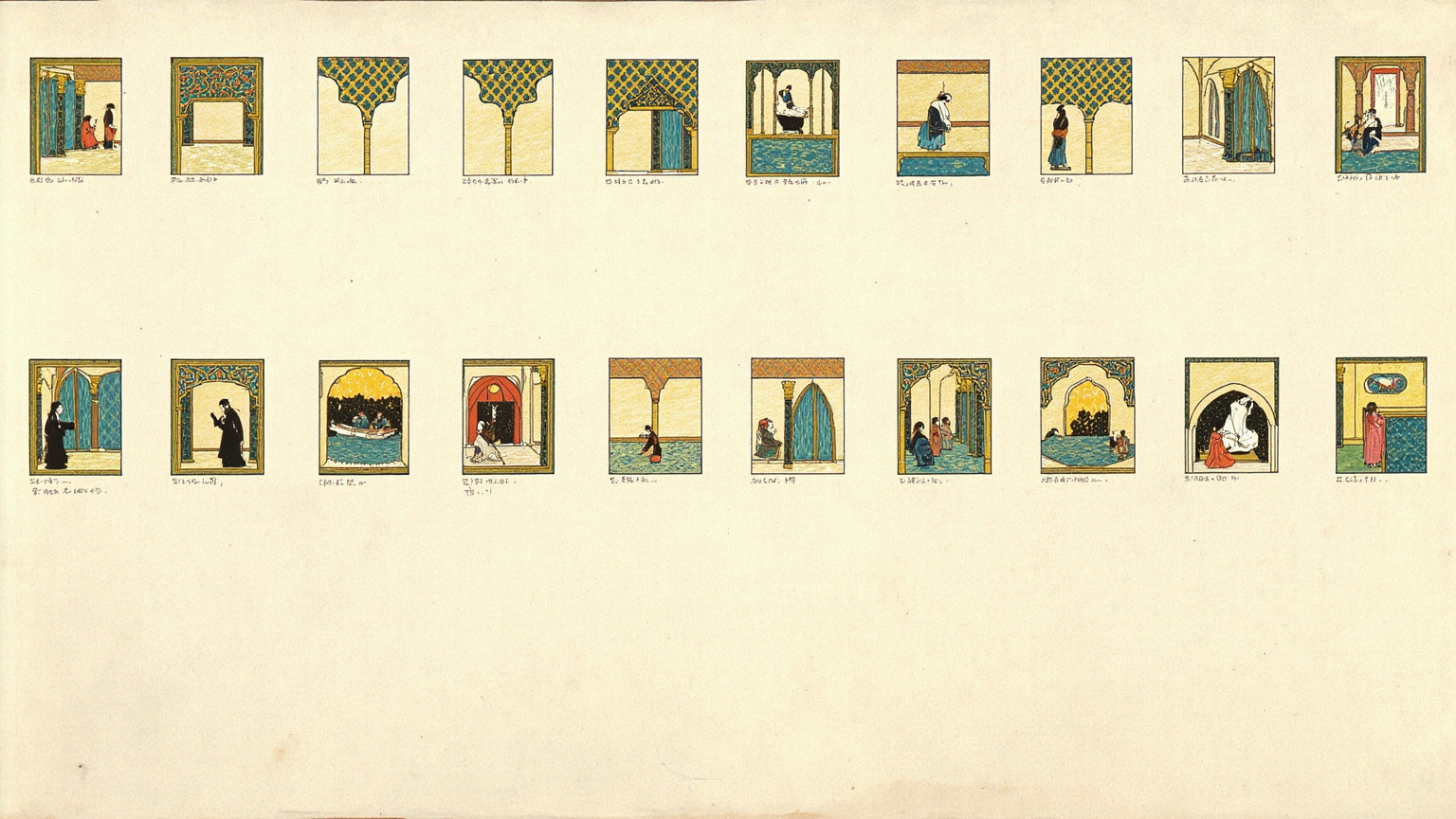
Art Direction4 plates
Before the guide was written, this book got a visual foundation — every illustration you just read grew out of it.