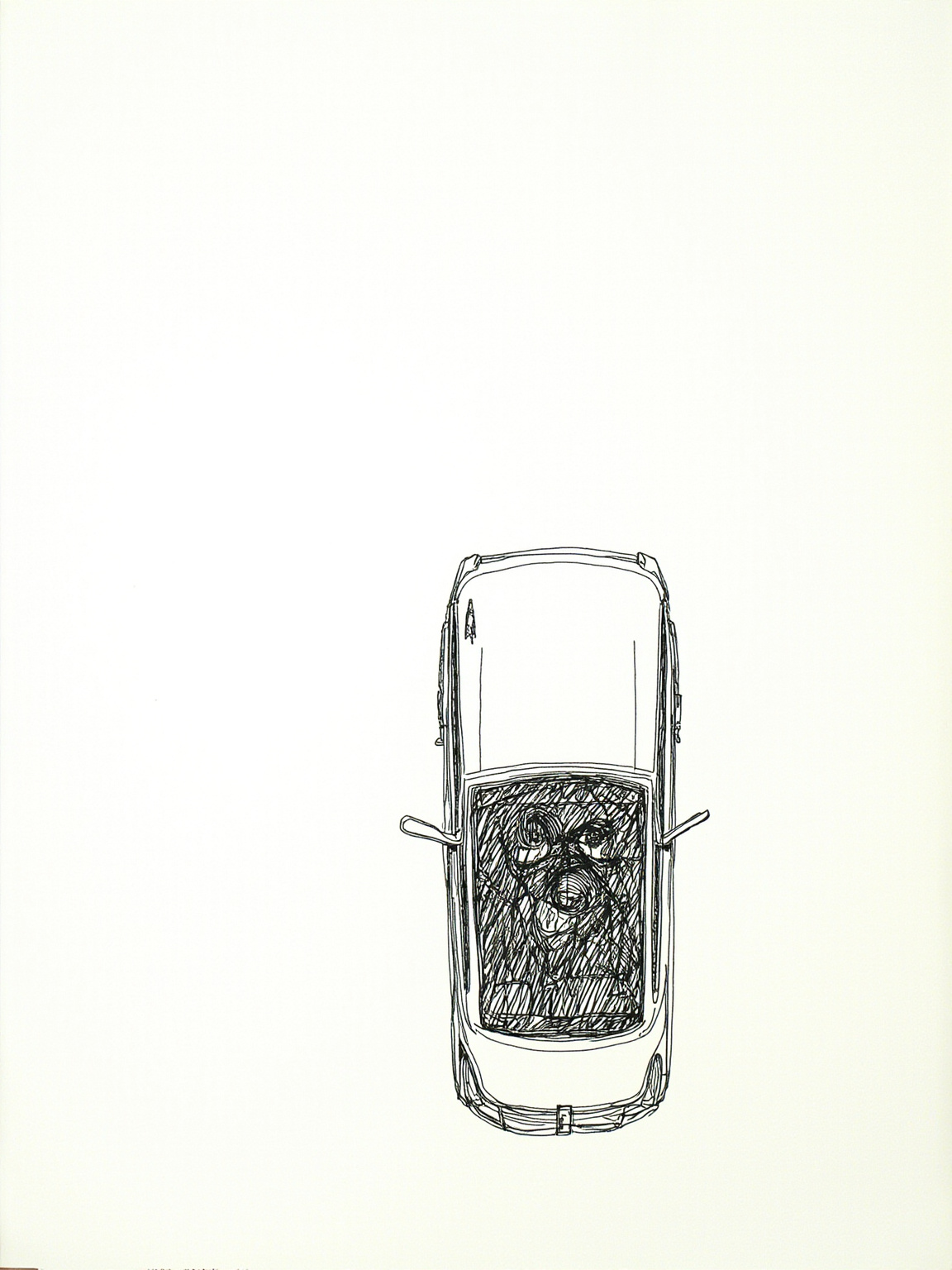
The light is red at the intersection, and the car ahead hasn't moved. The driver sits behind the wheel, eyes wide open, pupils intact, and he cannot see a thing in front of him. What he sees isn't darkness — it's a thick, yellowish milky fog, as if his whole body had been dunked in milk. This is the opening scene of José Saramago's Blindness, and it's also the book's cruelest trick: blindness here isn't black. It's overexposed.
What Kind of Book This Is
The Portuguese writer José Saramago wrote it in the mid-1990s. It's his signature work, and it carried real weight when he won the Nobel Prize in Literature in 1998. The book runs a thought experiment dressed as dystopian fable: strip a modern city of the sense it takes most for granted, sight, and see what's left standing. It isn't science fiction, and it isn't prophecy. It reads more like a pathology report on human nature, cold to the bone.
Characters and Setting
Nobody in the book has a name. The doctor, the doctor's wife, the girl with dark glasses, the boy with the squint, the old man with the black eye patch, the first blind man, the car thief, the ringleader of Ward Three: every one of them goes by a role instead. This is deliberate on Saramago's part. It strips the story of any specific person, any specific country, so it could happen here, there, in any era.
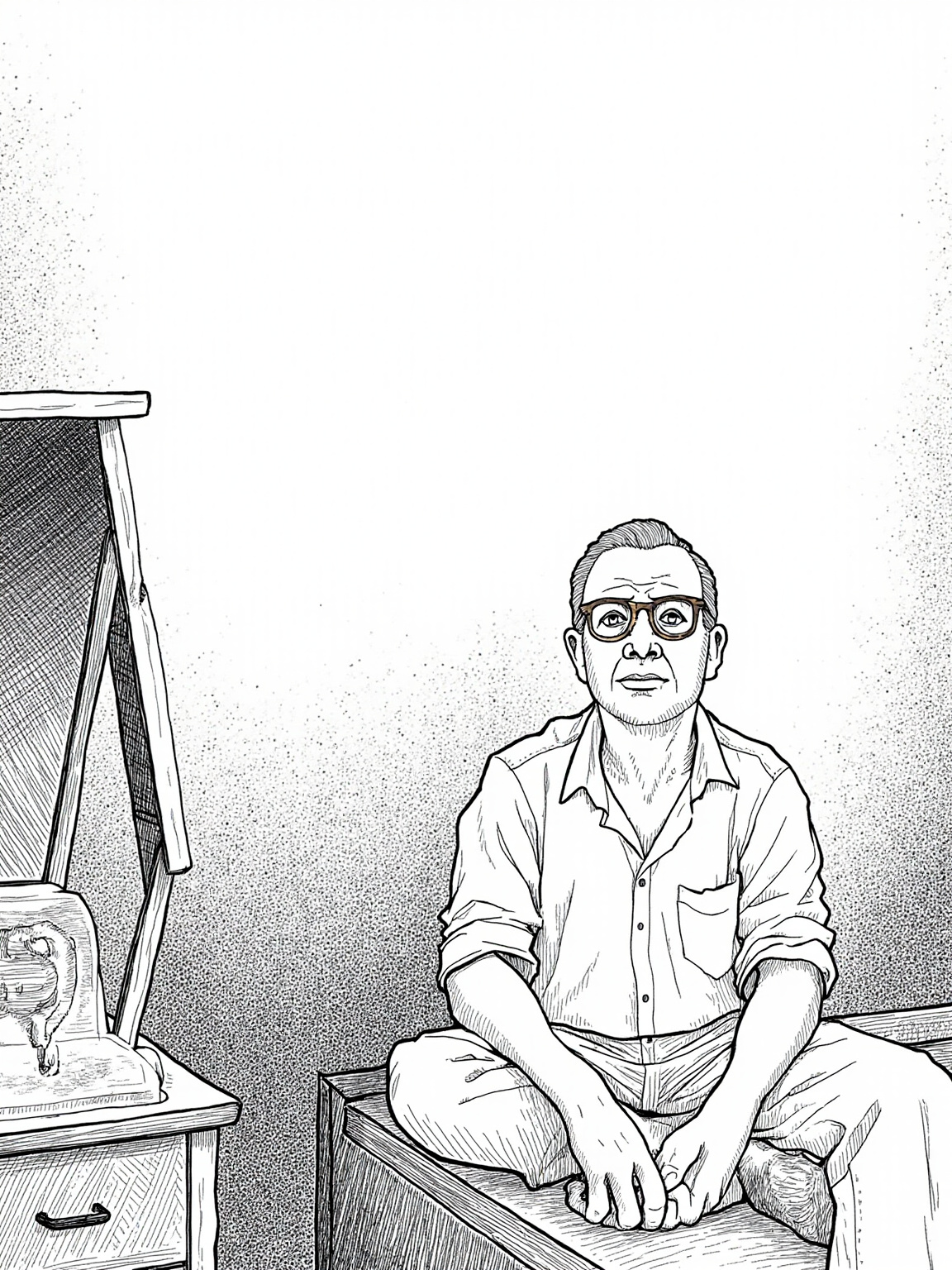
The blindness arrived without warning, and it leaves the same way. Patient zero, the first man to go blind, is the first to get his sight back. Word spreads, and one by one, people across the city start seeing again. The doctor's wife can finally keep her eyes open in front of everyone, but what she sees is a group of people newly sighted again, and their first instinct is to pull the covers over their heads, hiding from a world they never really saw clearly to begin with. The book ends with the doctor sitting alone, turning one thought over and over: maybe people didn't suddenly go blind. Maybe they were blind all along, and habit and order had just been pretending to see.
Why This Book Stays With You
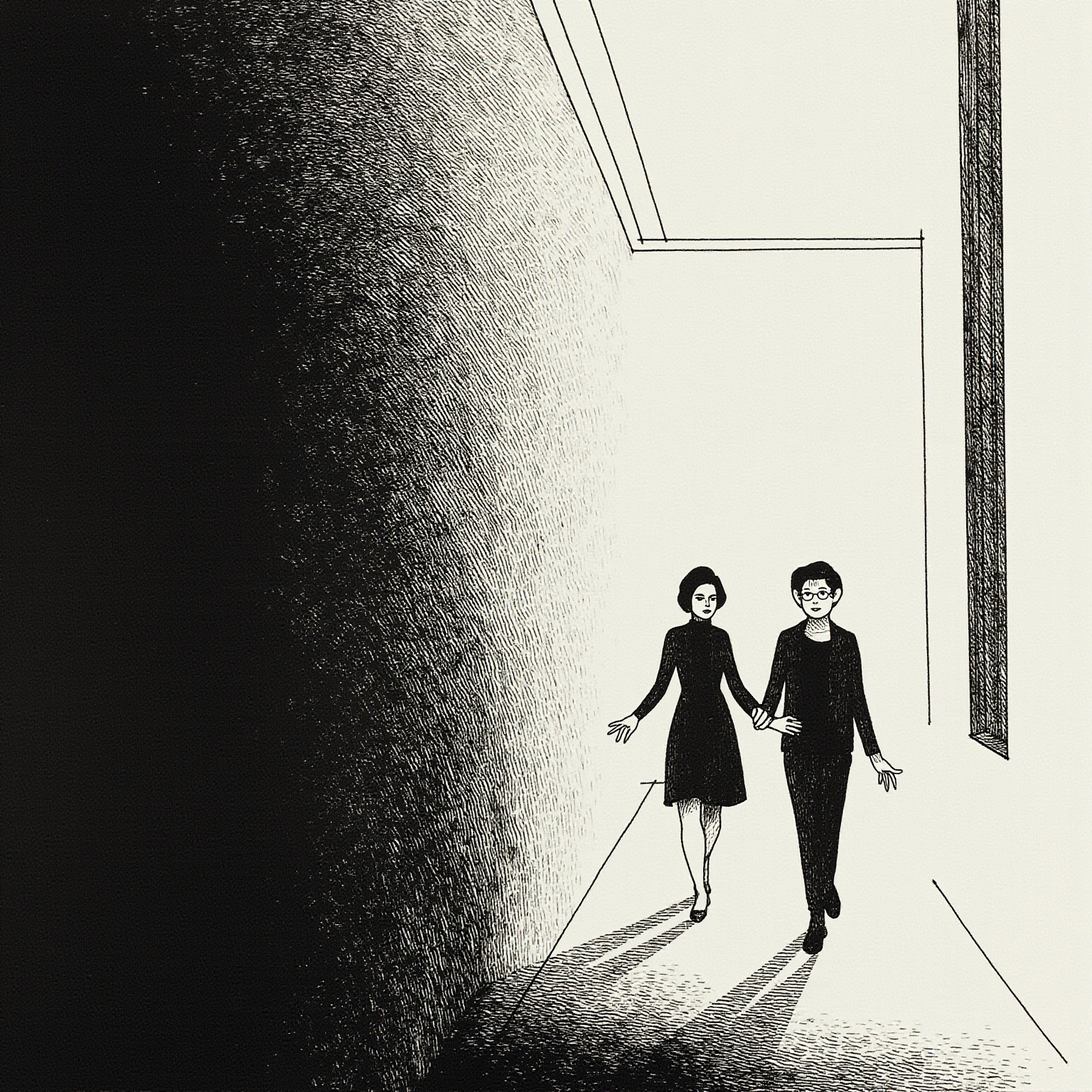
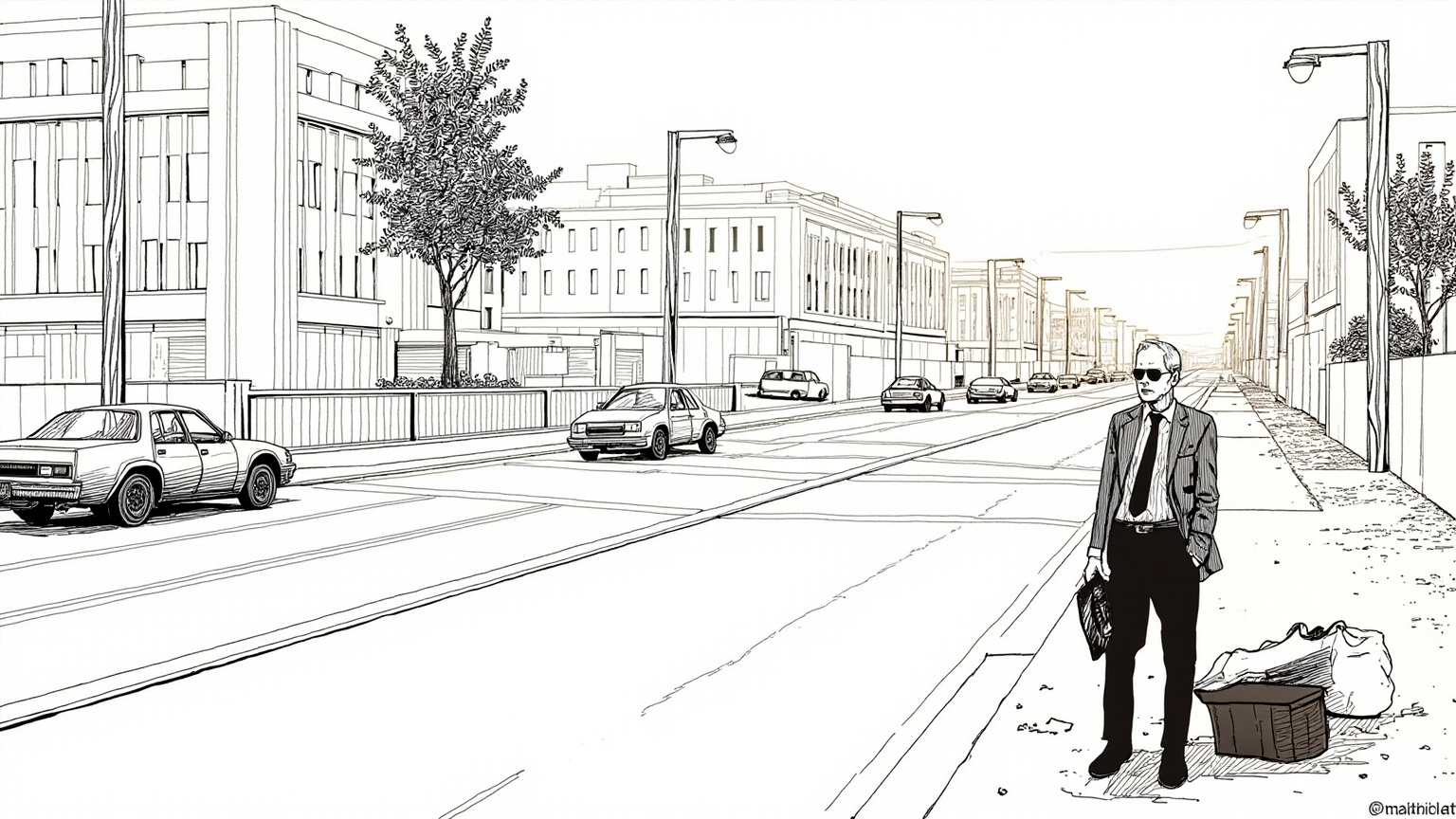
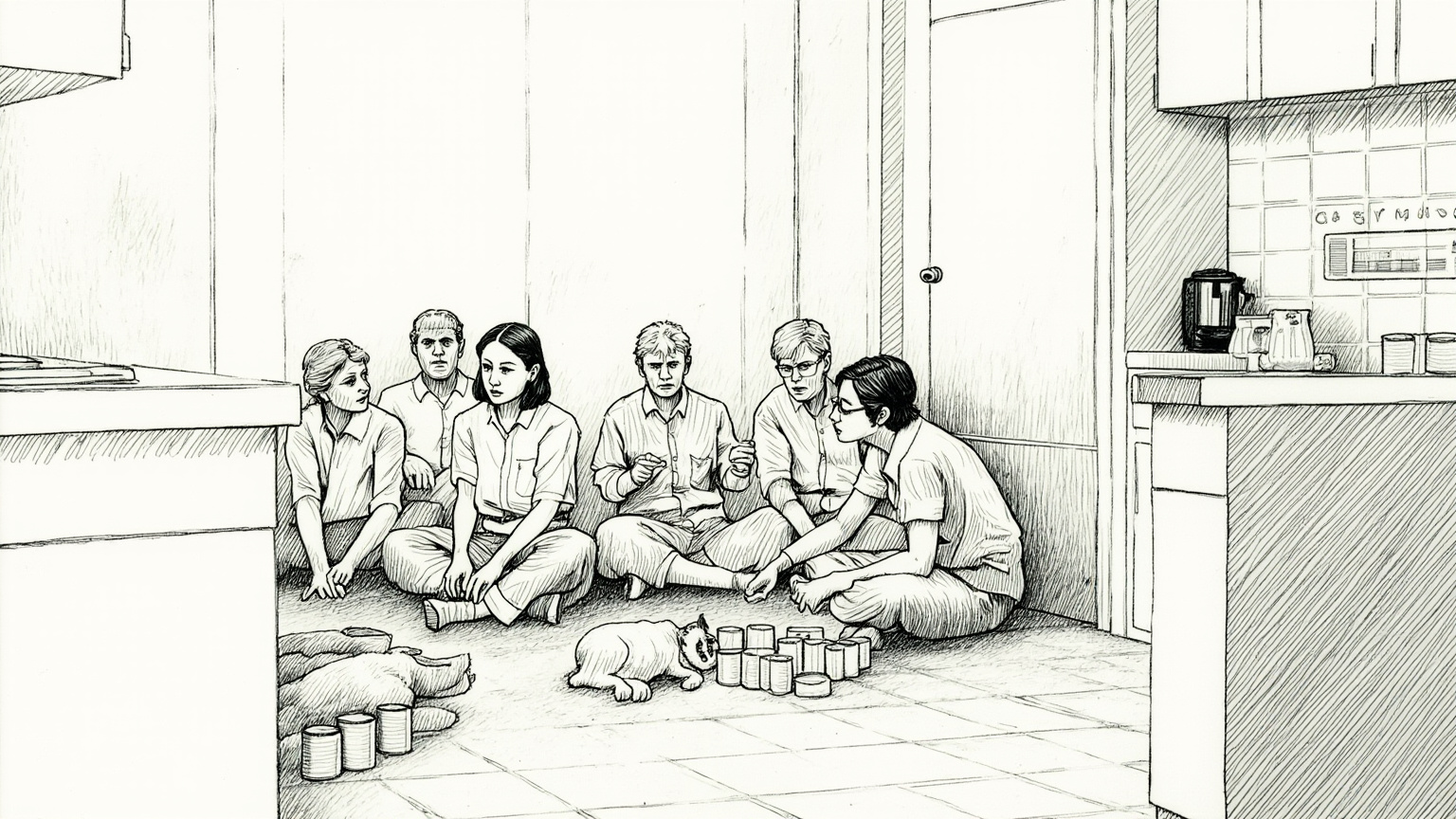
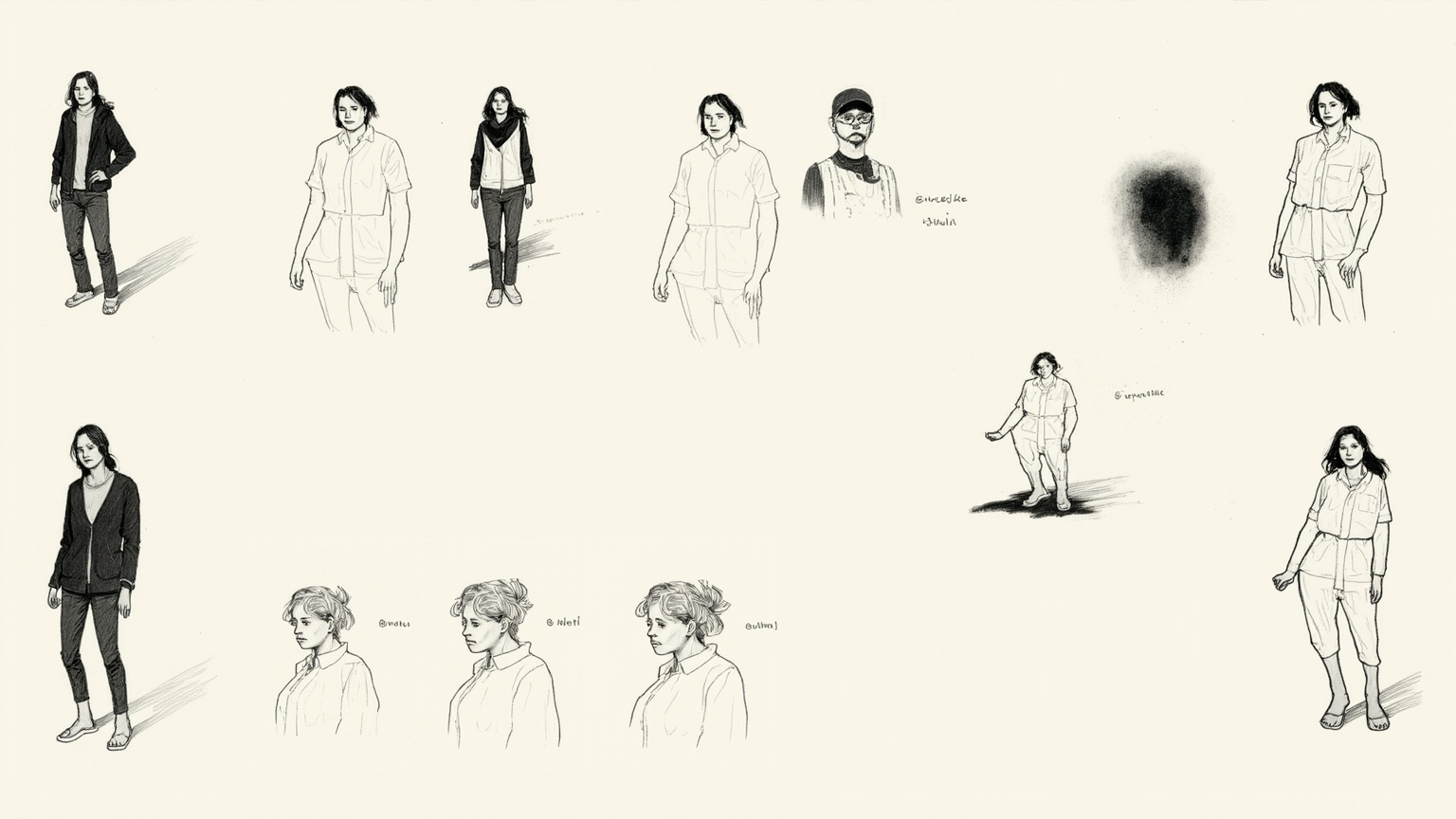
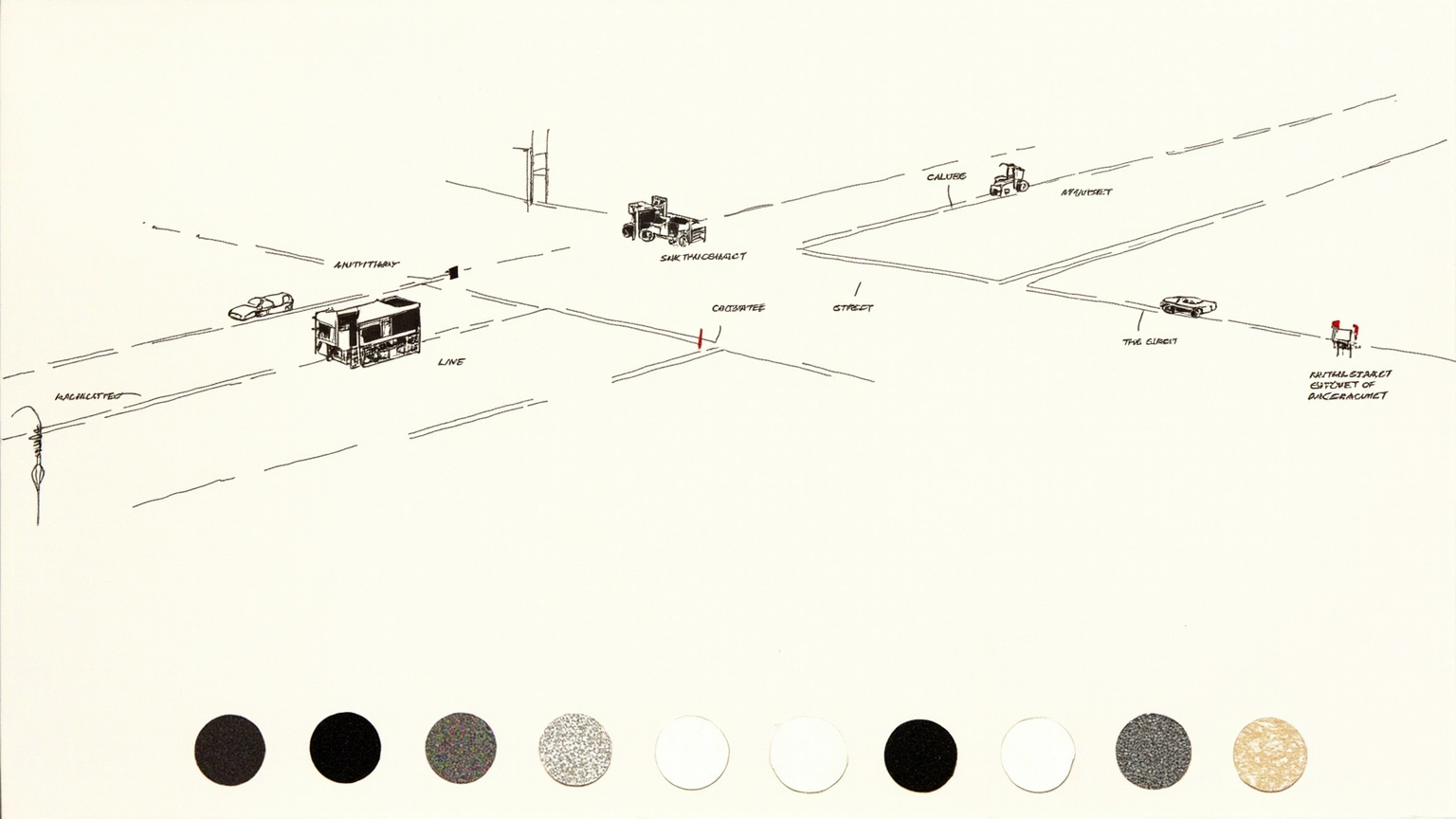
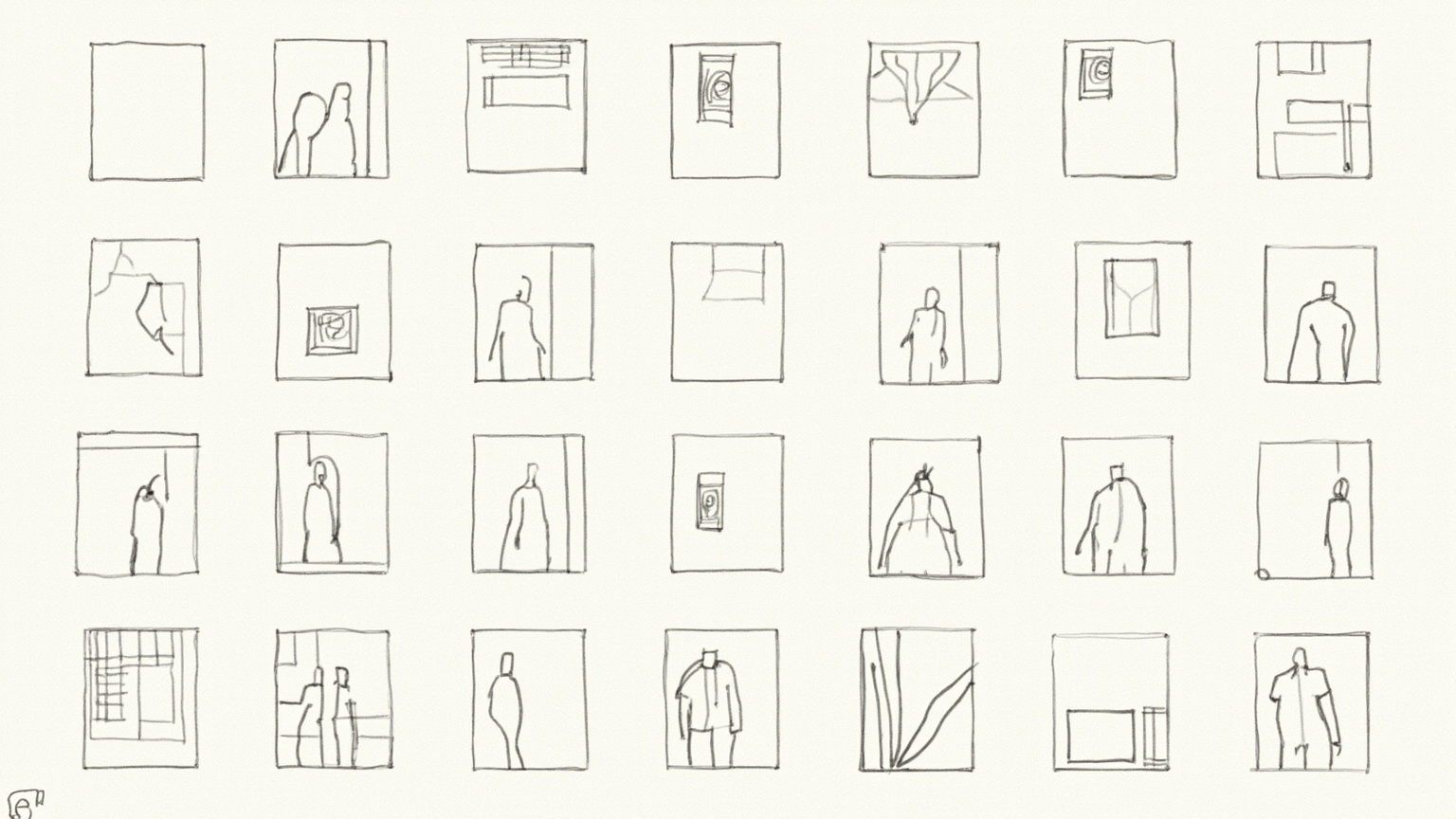
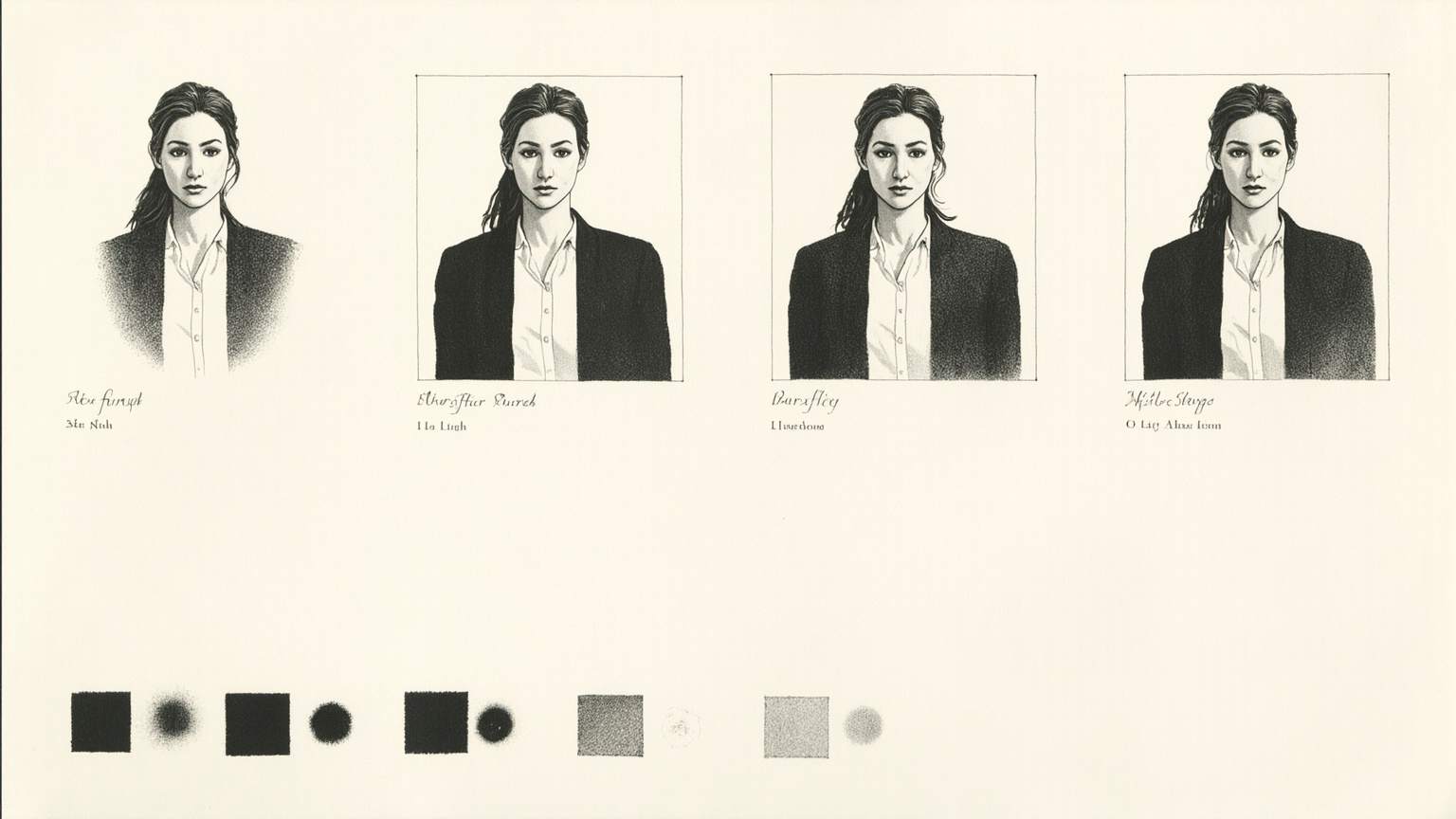
Art Direction4 plates
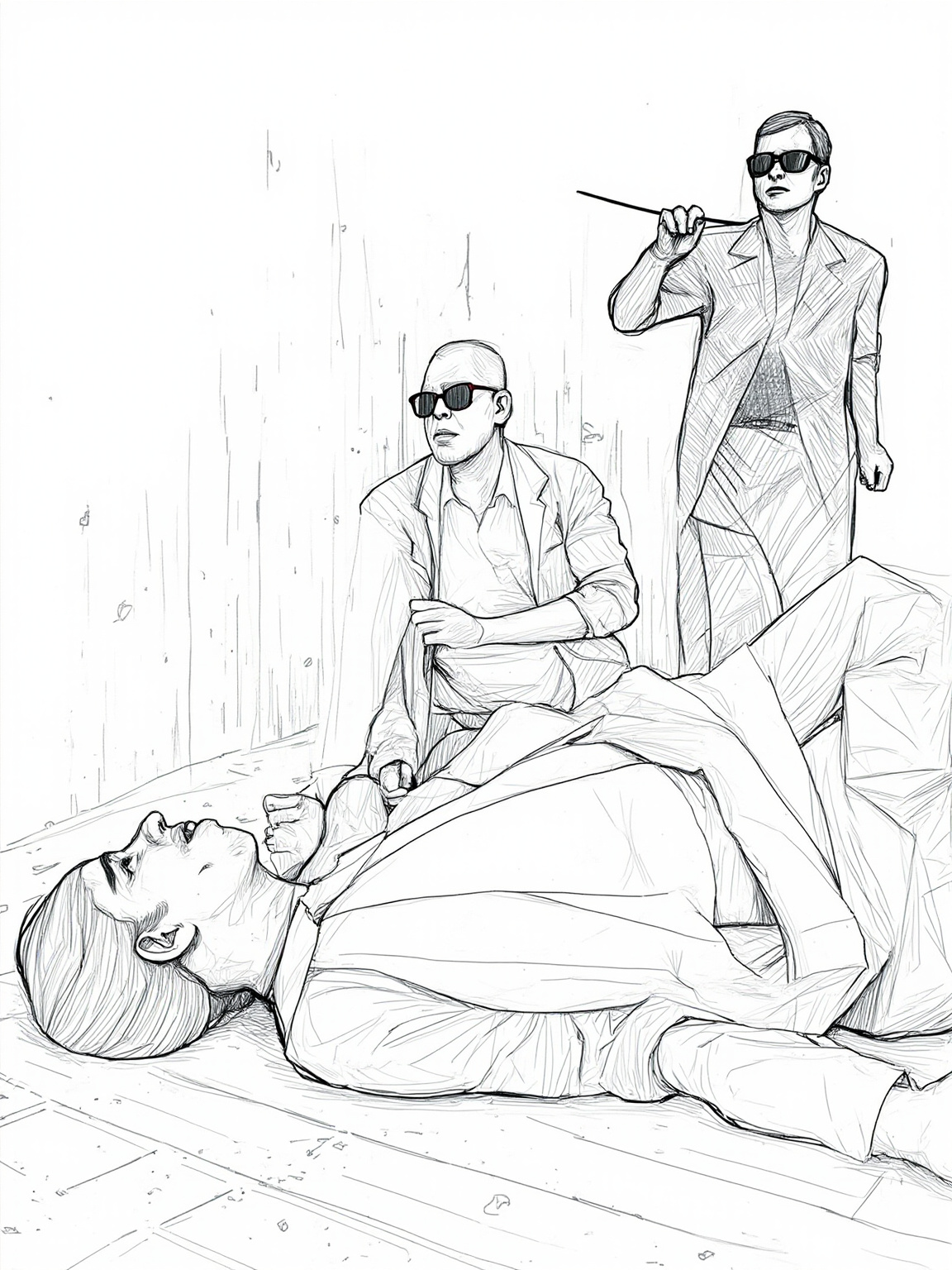
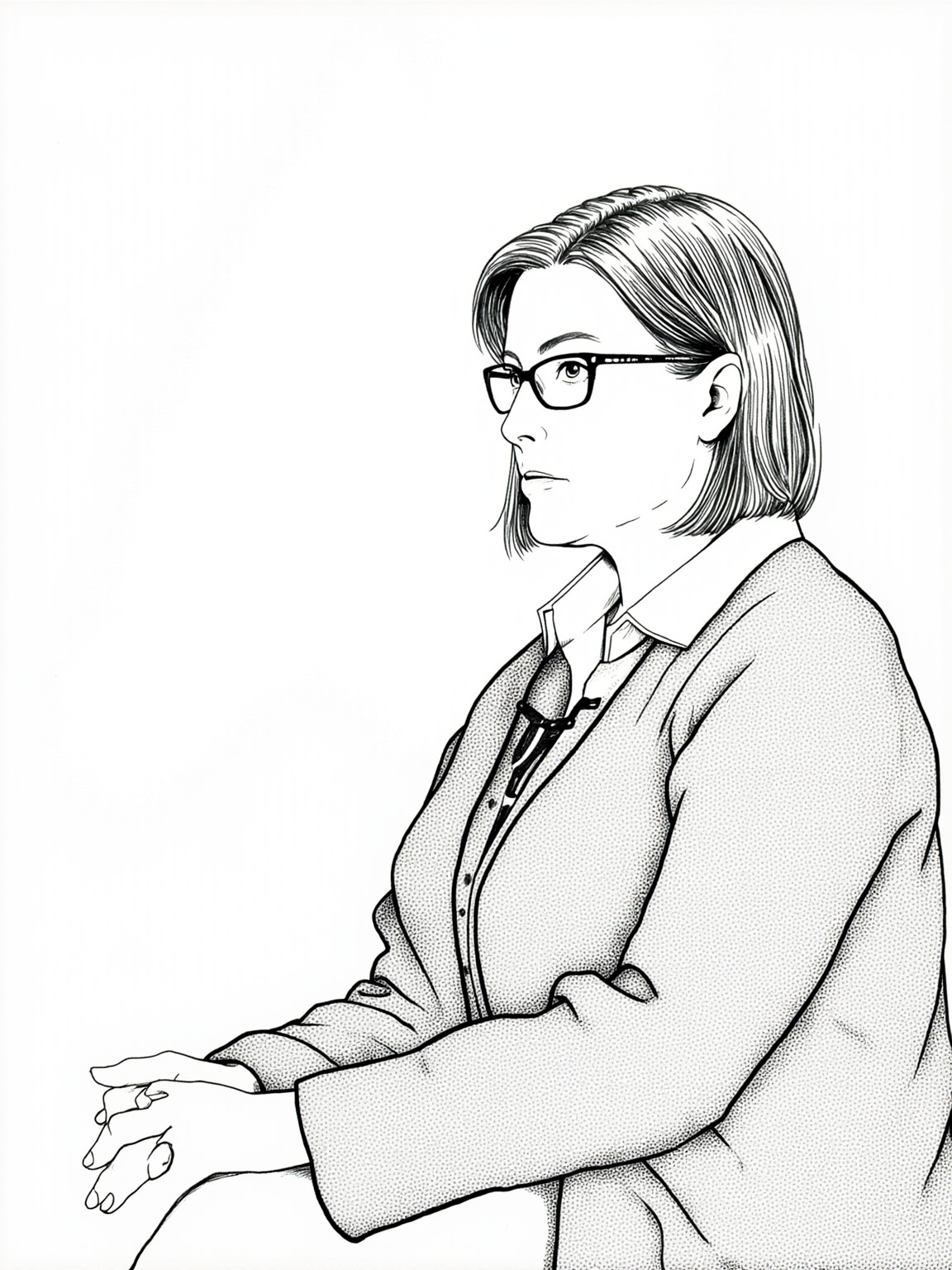
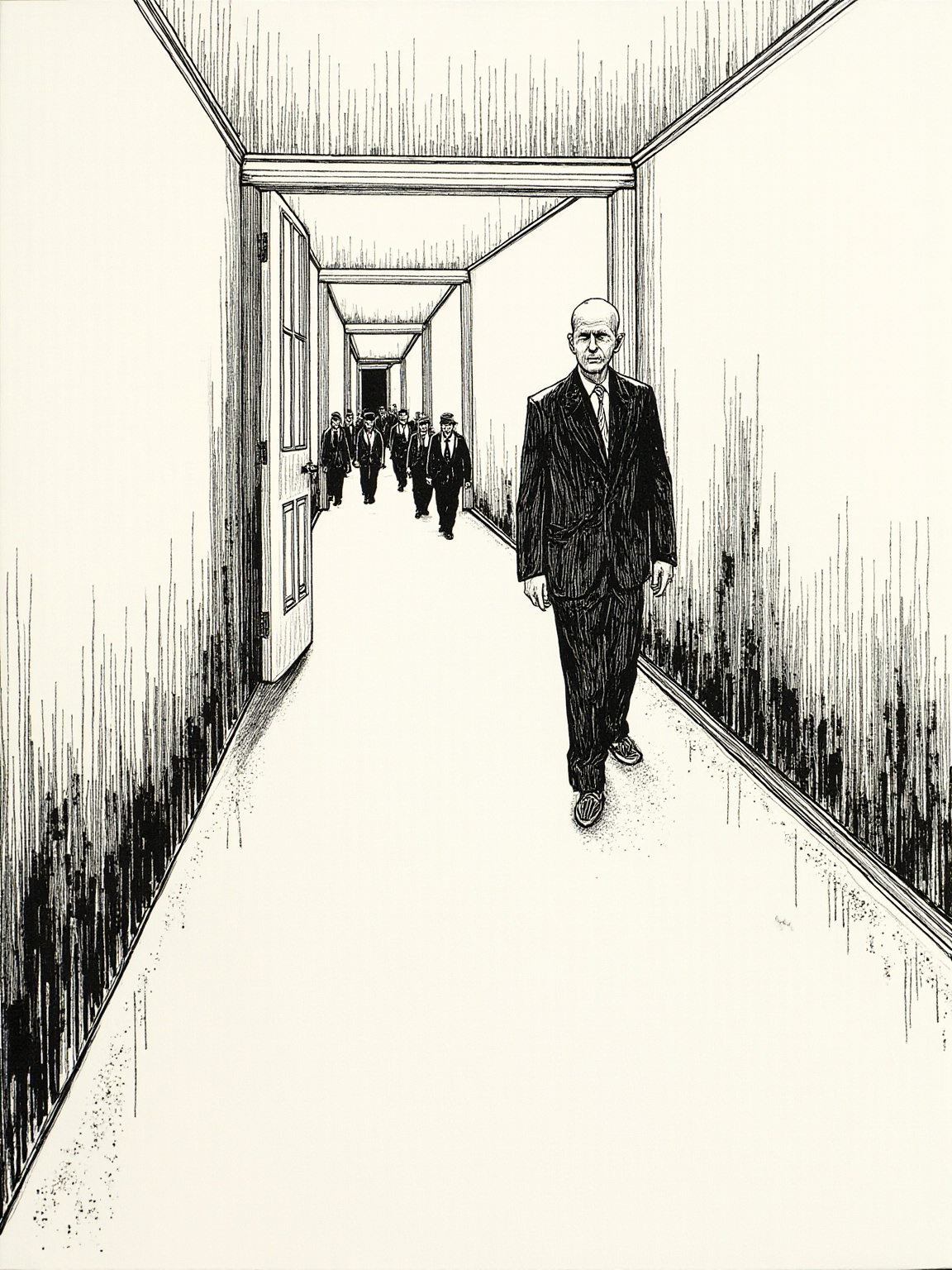
Before the guide was written, this book got a visual foundation — every illustration you just read grew out of it.
It starts with the man who goes white-blind waiting at that red light. A stranger offers to drive him home, then steals his car. Next the ophthalmologist he consults goes blind, then the nurse, then everyone waiting in the clinic. The government's response is fast and cold: round up every blind person, plus everyone who's had contact with them, and dump them all in a derelict mental asylum on the edge of the city. Soldiers ring the perimeter with orders to shoot anyone who gets close.
The doctor's wife can see the whole time. She says nothing, pretends to be blind, and follows her husband into quarantine by choice. What she's gambling with is the fact that she's the only pair of eyes in the entire book this disease hasn't taken.
How the Story Unfolds
1. White Fog at the Intersection, and How It Spreads
The white blindness spreads by contact, and it spreads fast. The ophthalmologist is helpless, because the very organ he treats has come down with the same disease as his patients: the book's first cold cut, the man who treats eyes goes blind himself. The government doesn't wait to study it. It herds the afflicted and everyone they've touched straight into the asylum. A building meant to care for people becomes another kind of prison.
2. The One Person Who Can Still See
Slipping into quarantine is the heaviest bet the doctor's wife places in the whole book. From then on she lives a double life: blind like her husband on the surface, and underneath, a watcher scanning constantly for danger. She guides her husband, feeds the boy with the squint, boils water for everyone, sweeps the corridors. At night, once everyone else is asleep, she lies awake alone, watching the ceiling, the dust stirred up by the soldiers' boots.
3. How Order Collapses So Fast
ImaRead3
The asylum falls apart faster than anyone outside could have guessed. The toilets clog and waste floods into the corridors. The food deliveries shrink by the day. Soldiers fire at any sign of disturbance. A gang of blind men who smuggled in a gun takes over Ward Three and crowns itself king of the place, first charging watches, jewelry, and gold for meals, then demanding women, calling out names one by one.
4. Scissors, a Throat, and the Fire That Burns the Ward
The doctor's wife watches the extortion happen. She can't speak up, can't risk revealing she can see. She's kept a pair of sewing scissors hidden on her, waiting for the right moment. One morning the demands from Ward Three come again, worse than before, and she finally acts: the scissors go into the ringleader's throat. He falls in the corridor, blood spreading across the floor. Moments later another inmate sets the place on fire. The ward burns, and the soldiers outside the fence simply vanish.
5. Outside the Fence, the World Has Already Fallen
ImaRead4
Walking out through the iron gate is where the book's turn lands hardest. They think they can go home, find the police, find someone, anyone. Instead the streets are empty, intersections choked with abandoned cars, overturned garbage bins along the curb, and the bodies of blind people who groped their way into walls and never got up. The disease crossed the fence long before they got out. The whole city has collapsed the same way the asylum did, and no one is running anything.
6. A Makeshift Family Among the Ruins
The doctor's wife becomes the group's de facto mind. She leads her husband, the girl with dark glasses, the boy with the squint, the old man with the black eye patch, and a stray dog from door to door through the emptied city, hunting for food and cooking whatever they find in other people's kitchens. The girl with dark glasses keeps saving her share for the boy with the squint, and somewhere in the hardship, love grows slowly between her and the old man with the black eye patch. The stray dog never leaves the doctor's wife's side, and one night, when she finally can't hold back her tears, it licks them away.
7. Sight Returns, and a Deeper Blindness Sets In
ImaRead5
The book's core isn't the plague. It's irony. The doctors who treat eyes go blind themselves. The building meant to care for people turns into a cage. The ones most in need of help are the first to turn violent. Saramago renders these reversals in a nearly bloodless deadpan, flat to the point of cruelty. There are no heroes here, no villains, no leaders, just seven or eight nameless people dragging each other through the filth.
Its metaphor is still argued over today, after a pandemic, after surveillance became routine, in an age of collective forgetting. The question it asks isn't whether we might go blind. It's whether, while we could still see, we ever actually saw anything at all.
Why You Should Read the Full Text
Once you've walked the plot, what actually keeps you up is the prose. Saramago's sentences run on for pages, almost no full stops, and they push the reader down into that same milky light until you lose track of who you are, whether you can see or not. No film adaptation can carry over the document-like, seizing repetition, or every second of silence the one sighted woman has to swallow to keep up the act of blindness. Read the full text ready to be pressed under a wall of white with no room to breathe: that experience is something no plot summary can hand you.
What Saramago is writing about isn't blindness. It's how people already are: ordinarily, some trouble with the eyes is all that lets us pretend not to see each other.